Build the theme around knowledge and action
A waste sorting social practice handwritten newspaper works best when it shows two things at the same time: why sorting matters and how students can really do it in daily life. This makes the page informative without feeling like copied facts only.
You can place a short slogan near the title, such as Sort waste, protect our home, to make the page more focused.
Easy sections that fit this topic well
- Waste Sorting Basics: Explain recyclable waste, hazardous waste, kitchen waste, and other waste.
- Daily Examples: Show where paper, bottles, batteries, fruit peels, and tissues should go.
- My Practice Experience: Describe what you did at home, at school, or in the community.
- Green Tips: Suggest simple habits like checking labels and reducing disposable items.
- Call to Action: Encourage classmates and family members to join in.
If the page is small, choose four sections and keep the writing neat and clear.
Short text materials you can use
Why waste sorting matters
Waste sorting helps reduce pollution, save resources, and make recycling more effective. Small actions in daily life can improve our homes, schools, and neighborhoods.
Main categories in simple words
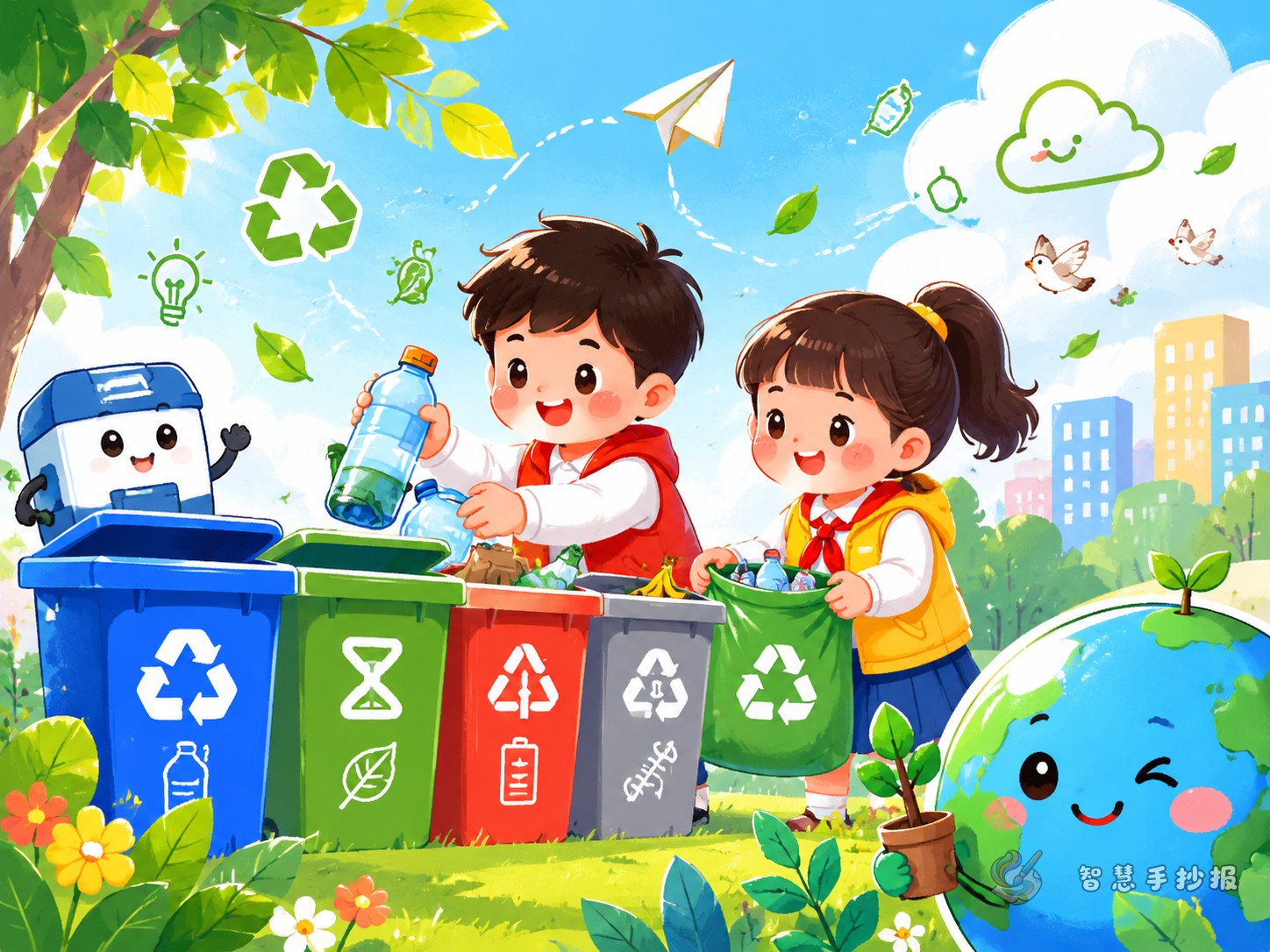
- Recyclable waste: old paper, plastic bottles, metal cans, and used books.
- Hazardous waste: batteries, expired medicine, and used light tubes.
- Kitchen waste: leftover food, fruit peels, and vegetable leaves.
- Other waste: items that are hard to recycle, such as dirty tissues.
How to write a reflection
After taking part in waste sorting practice, I learned that protecting the environment starts with small daily habits. If everyone sorts a little more carefully, our surroundings can become cleaner and better.
A layout idea that looks tidy and lively
This topic is great for a center title with sections around it layout. Put the main heading in the middle, then place facts, examples, experience, and advice in four directions around it.
- Use a large title at the top.
- Put sorting knowledge on one side in bullet points.
- Write your own practice story on the other side.
- Place advice and slogans at the bottom to finish the page.
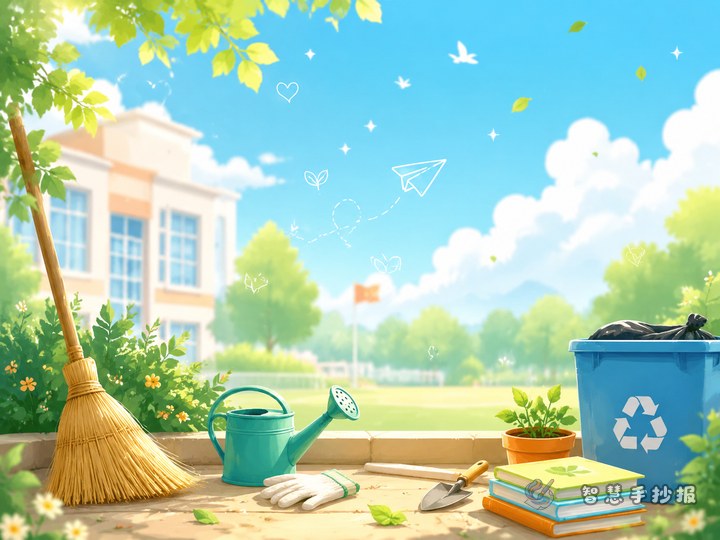
Good drawings include recycling bins, leaves, the Earth, brooms, or circular arrows.
Make it sound like real practice
Do not only write that waste sorting is important. Also explain what you actually did. For example, you helped sort newspapers at home, reminded classmates during cleaning duty, or joined a small community activity. This makes the handwritten newspaper feel more real and fits the theme of labor education and social practice.
You can end with a short message encouraging others to start from everyday actions. If you want to keep improving the title style, section ideas, and full-page arrangement, you can continue your design in the Zhihui Shouchaobao WeChat mini program.