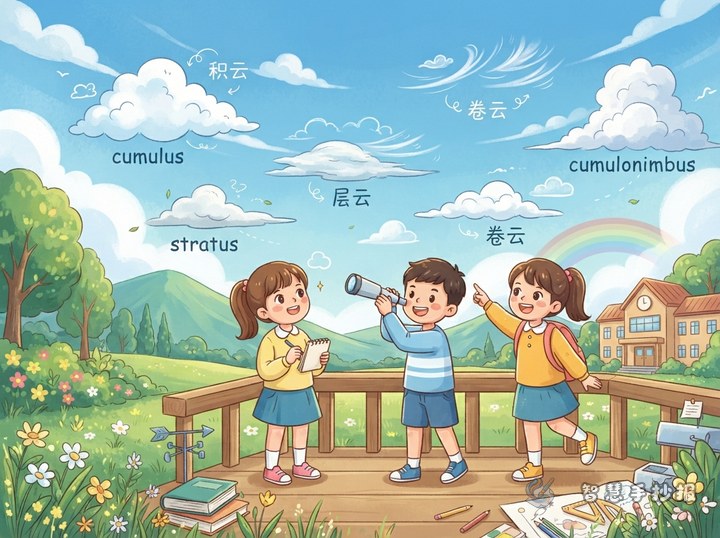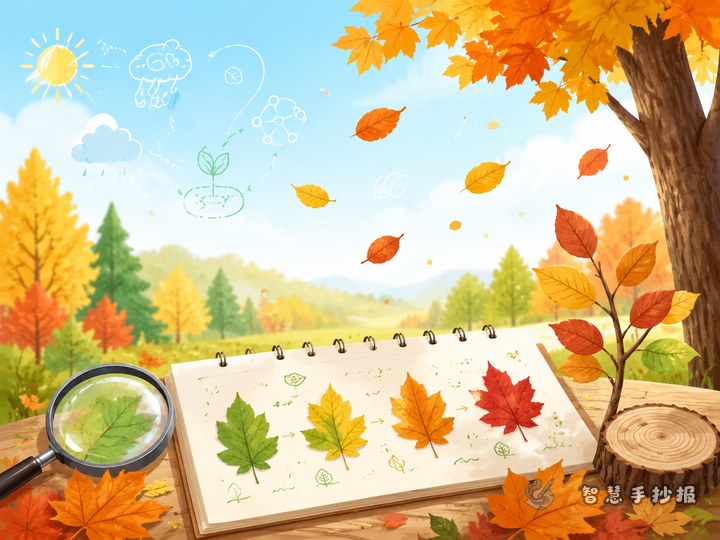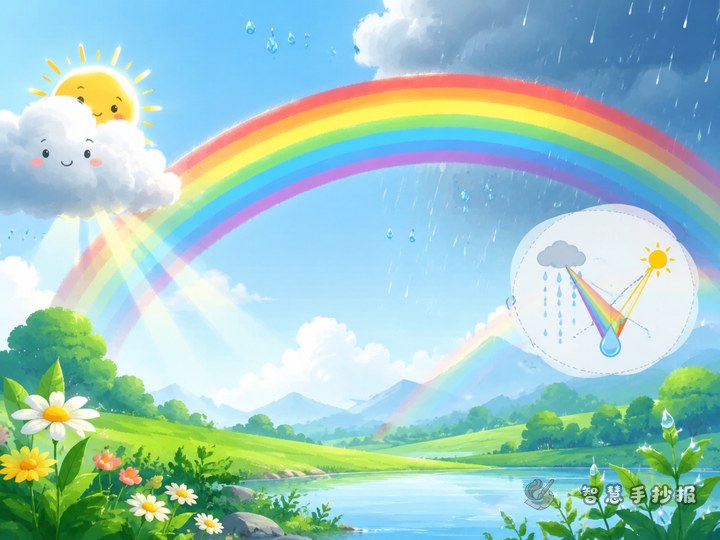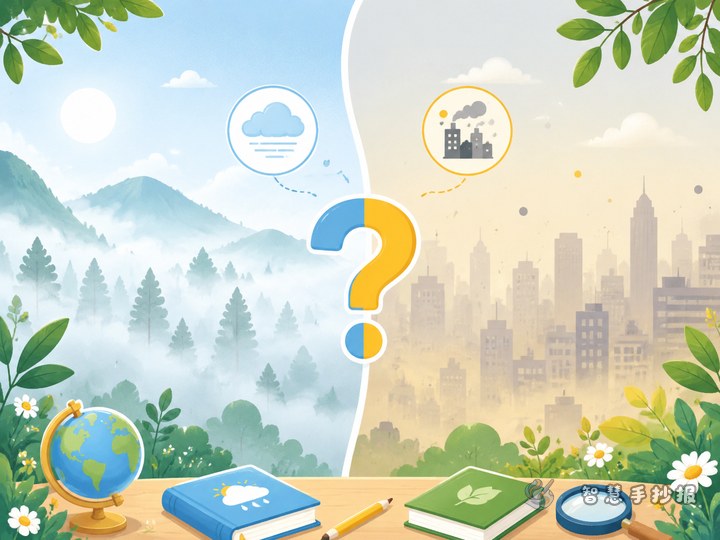
Build the theme around a “Weather Forecast Mini Class”
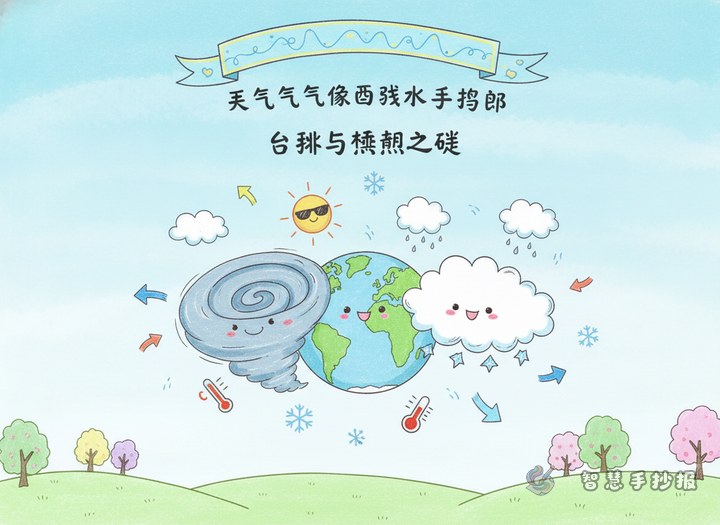
If you want a poster that is clear, practical, and easy to design, choose a theme about weather forecasts and meteorological symbols. It belongs to the broader weather and seasonal change category, but it is more specific and easier for students to organize. Titles such as “How to Read a Weather Forecast Poster” or “Weather Symbols Poster Ideas” work well for school assignments.
This topic is helpful because it combines simple science knowledge with everyday life, making the poster both educational and student-friendly.
Easy sections you can write on the poster
Section 1: What is a weather forecast?
A weather forecast is a prediction of future weather based on information such as clouds, wind, temperature, air pressure, humidity, and rainfall. It helps people plan travel, choose clothes, and prepare for changing conditions.
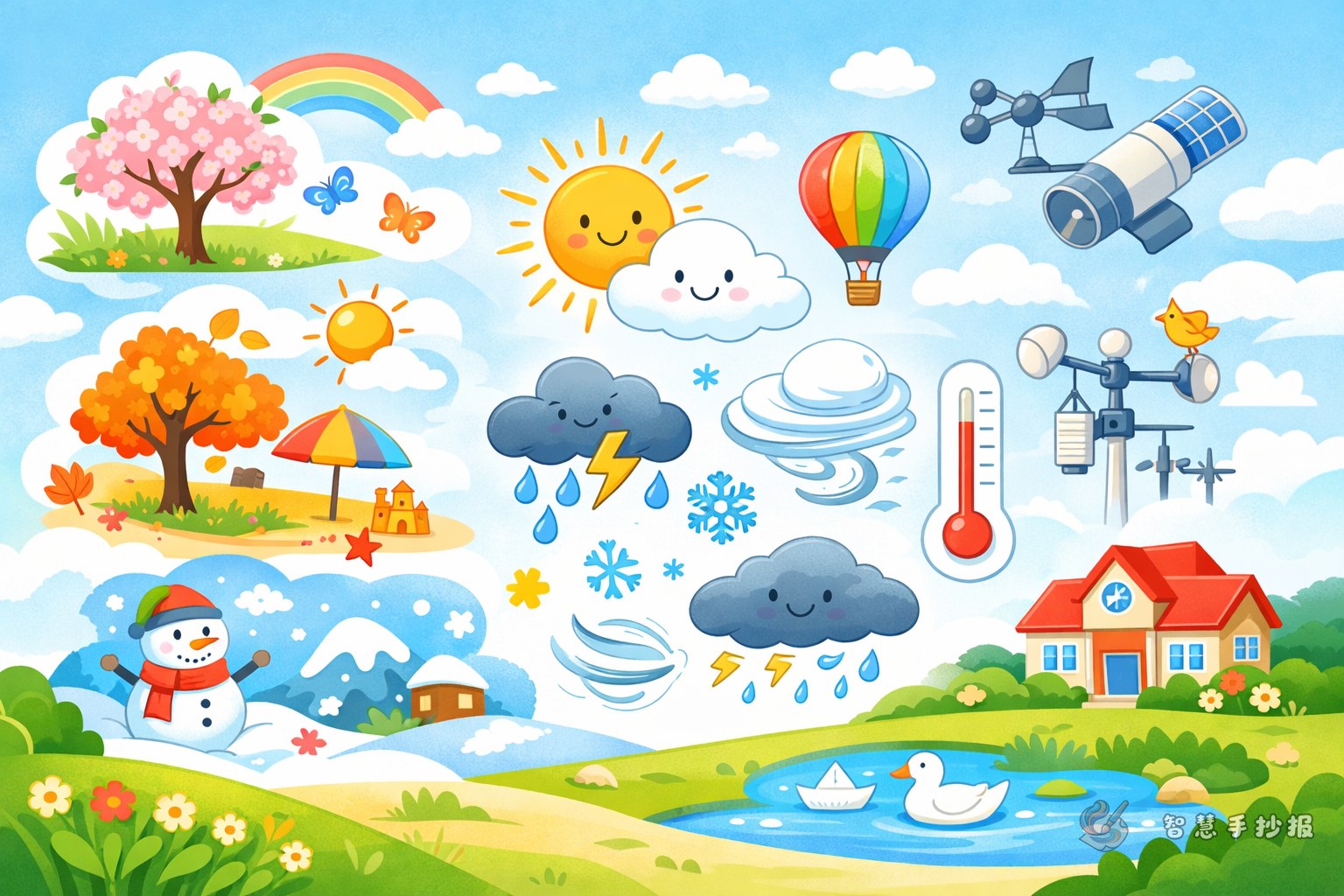
Section 2: Common weather symbols
- Sunny: The sky has little or no cloud, with plenty of sunshine.
- Cloudy: There are many clouds, but the sun may still appear.
- Overcast: Thick clouds cover the sky, making it look gray.
- Light rain: A small amount of rain, so carrying an umbrella is useful.
- Thunderstorm: Rain with thunder and lightning, which requires extra caution.
- Windy: Strong wind, so people should take care outdoors.
Section 3: What weather changes tell us
When the temperature rises, we can wear lighter clothes. When it drops, we should dress more warmly. Before rain, clouds often become thicker and winds may get stronger. Summer often brings thunderstorms, while winter is usually colder and windier.
Practical and student-friendly writing ideas
A good handwritten poster should not only list facts. It should also include observations that children can understand and relate to. For example:
- Check the weather forecast before school to decide whether to bring an umbrella.
- Sunny days are good for outdoor activities, but we should remember sun protection and water.
- Rainy days make roads slippery, so walking and cycling need extra care.
- On windy days, do not stay too long near billboards or large trees.
- During thunderstorms, avoid open spaces and stay safe indoors when possible.
You can also add a “My Weekly Weather Record” corner to make the poster feel more personal and realistic.
Try a layout that looks like a weather board
This topic works very well in a weather report style layout. Put the title in the center and divide the rest into clear information blocks instead of using a simple equal grid.
- Top: Main title with small drawings of the sun, clouds, raindrops, or a wind vane.
- Left side: What a weather forecast is and why it matters.
- Right side: Weather symbols with short explanations.
- Bottom: Safety tips and daily life advice.
- Corner: A mini weekly weather diary or “My favorite kind of weather.”
Blue, white, and light yellow are good main colors. Add soft gray and light blue for rainy sections so the page stays bright and neat.
How to make the poster feel lively
To keep the work looking like a real student poster instead of a copied fact sheet, add personal voice and simple interactions. Use phrases such as “I know,” “I found,” and “I can do.”
- Draw one weather symbol larger and explain what it means.
- Write a short paragraph about how weather affects school, sports, or trips.
- Add safety reminders to make the content more complete.
- Use short sentences instead of long blocks of text for easier writing and cleaner design.
If you already have the topic but want better title styles, layout ideas, or ready-to-use content combinations, you can continue creating in the Zhihui Shouchaobao WeChat mini program.