Start by deciding the main message
The key to a good surname culture and family origins handwritten newspaper is not filling the page with facts, but making the theme easy to understand. A helpful guiding question is: Where does my surname come from, and what family memories does it carry?
For younger students, the best approach is to begin with themselves. Turn a big cultural topic into a small personal story. Introduce your surname, mention what your family says about it, and finish with what family traditions mean to you.
Useful sections to include on the page
Section 1: My Surname Card
This part can introduce your surname, how it is pronounced, and what your own name means. It works well as a short opening section.
- What my surname is
- How it is read
- What my name means
Section 2: A Simple Origin Story
You can explain one possible source of the surname, such as an ancient place name, official title, ancestor name, or a traditional legend. Keep it short and clear.
- Where my surname may have come from
- One traditional story or explanation
- A one-sentence summary of its cultural meaning
Section 3: Family Story Corner
This section adds warmth to the page. You can write about where your family moved from, what older family members have told you, or what values your family always keeps.
Section 4: Famous People with the Same Surname
Choose one or two well-known historical or cultural figures and write a few simple lines about them. Keep this part short so it supports the main theme instead of taking over the page.
Section 5: Family Values
This part should stand out on the page. Short phrases work best, such as:
- Be honest and responsible
- Study hard and stay humble
- Respect elders and care for family
Short writing materials you can use directly
Opening sample: Everyone has a surname. A surname is not only part of a name, but also a record of family history and cultural inheritance. By learning about my surname, I can better understand my roots.
Origin sample: My surname has a long history. Some people say it comes from an ancient place, while others believe it is connected to an ancestor or a title. No matter which story is true, it carries the memory of generations.
Family values sample: In my family, elders often teach us to be honest, hardworking, polite, and caring. These simple words are the most valuable family tradition we have.
Ending sample: Learning about surname culture is more than learning the history of one character. It is a way of understanding where I come from and what I want to pass on.
Layout ideas that work well
If your paper is horizontal, place the main title at the top center and divide the page into three main parts: surname origin on the left, family story in the middle, and famous people plus family values on the right. This structure is clear and easy to read.
- Use a large title with a traditional cultural feeling.
- Add a subtitle such as “The Story of My Surname.”
- Keep each text block short, around 3 to 6 lines.
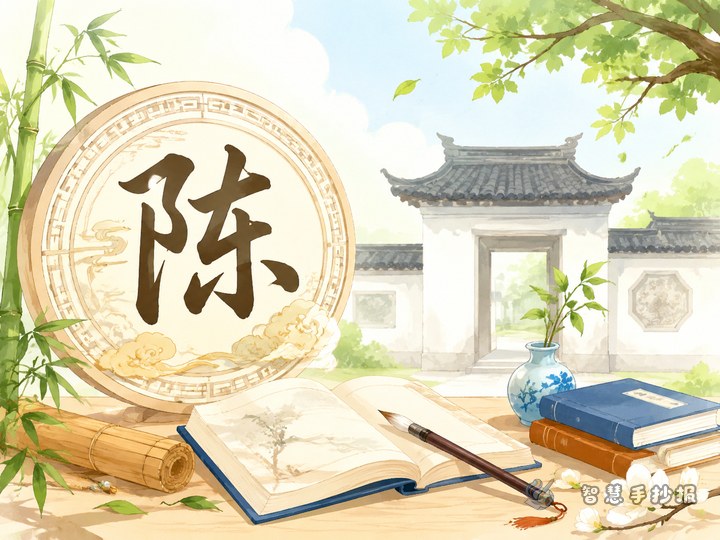
- Decorate with scrolls, seals, cloud patterns, or family-tree branches.
For colors, beige, red, dark green, and brown create a calm and cultural look. Too many bright colors may make the page feel messy.
How to make it feel more personal
Instead of only copying information, add personal touches. For example, write a line like “This is a story my grandfather told me,” or include a small box called “What I Want to Say to My Family.” These details make the handwritten newspaper feel more sincere and meaningful.
If time is limited, you can first decide the title, sections, and short texts, then continue arranging the page in the WeChat mini program for a neater final result.