Start with one clear learning goal
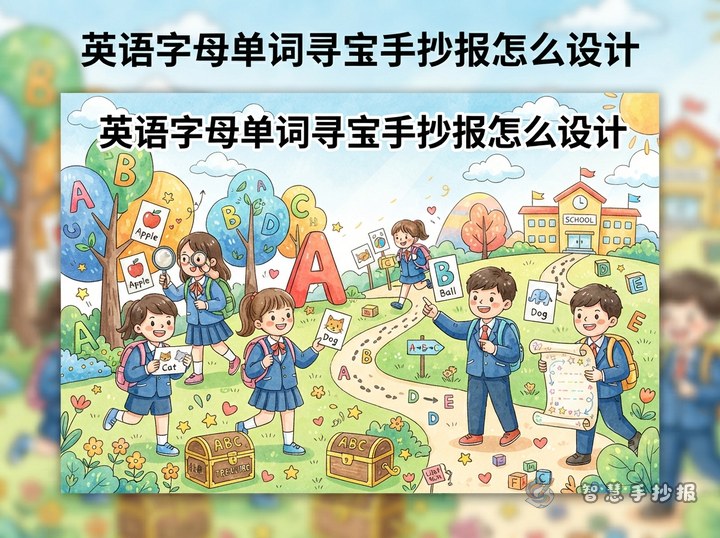
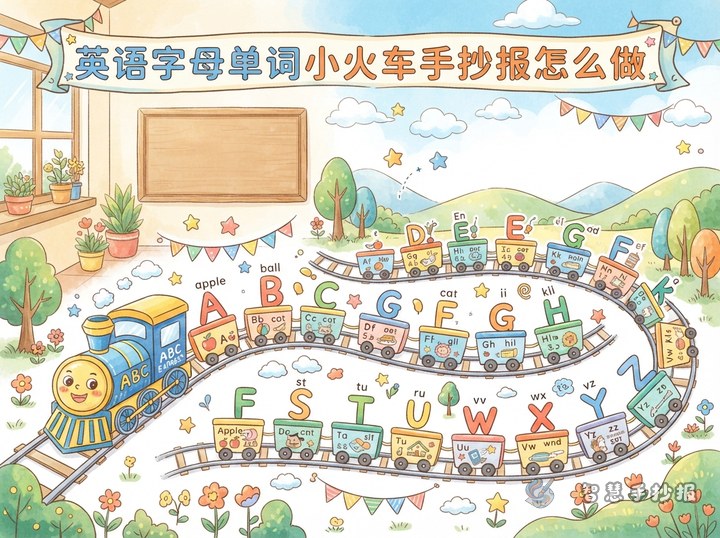
An English alphabet and word beginner poster should help children recognize letters, match them with simple words, and enjoy reading aloud. Instead of filling the page with difficult vocabulary, choose easy and familiar examples such as apple, ball, cat, and dog. This makes the poster friendly for young learners and easy for parents or teachers to guide.
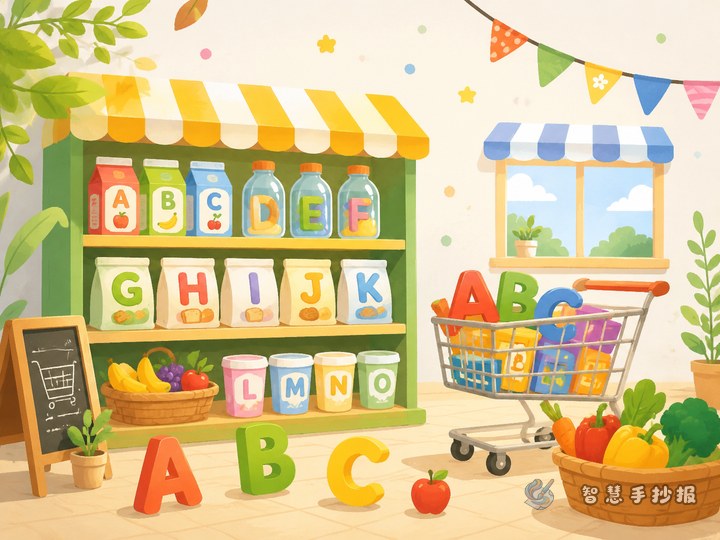
If the paper space is limited, you do not need all 26 letters. You can focus on A to H or group 6 to 8 letters on one page so every part stays neat and readable.
Useful sections you can place on the poster
Section 1: Letter of the day
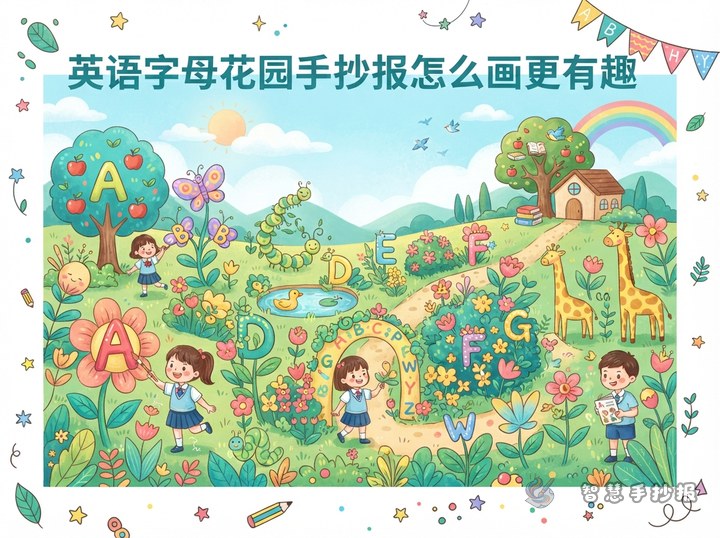
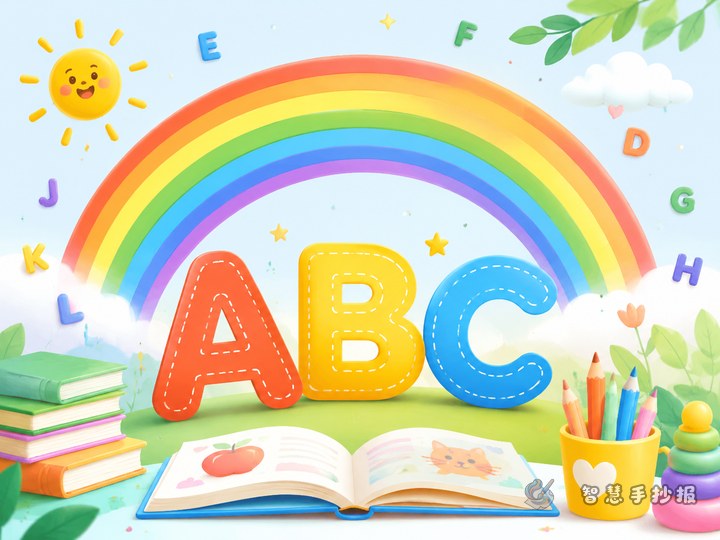
Create a bright area near the top for key letters such as A, B, and C. Show each one in uppercase and lowercase, then add one or two easy words.
- Aa: apple, ant
- Bb: ball, bird
- Cc: cat, car
Section 2: Word cards with drawings
Put each word in a small box and add a simple matching picture beside it. Visuals are very helpful for beginners. When children see the image, they remember the word more easily.
Section 3: Read and write practice
Add a short line such as “Follow me: A-a-apple.” You can also leave a small writing area for children to copy the letter and the word again. This makes the poster both decorative and useful for practice.
Ready-to-use word materials
The following lines are suitable for primary school alphabet learning posters. They are short, common, and easy to illustrate:
- Aa is for apple.
- Bb is for ball.
- Cc is for cat.
- Dd is for dog.
- Ee is for egg.
- Ff is for fish.
- Gg is for gift.
- Hh is for hand.
You may also add a tiny introduction paragraph:
“Learning letters and words is fun. We can read, write and draw. English starts from easy letters. Let’s learn one step at a time.”
How to arrange the page neatly
This topic works best with a letter-by-letter layout. Put the main title in the center, place letter sections on both sides, and use the bottom area for word cards or a practice box. Bright colors like red, yellow, blue, and green are suitable, but each section should keep a simple color match so the page does not look too busy.
- Use colorful bubble letters for the main heading.
- Give each letter its own small frame, such as a cloud, pencil, or star shape.
- Write each word large enough for young children to read.
- Choose simple drawings like an apple, a ball, a cat, or a dog.
- Leave some blank space to keep the poster fresh and clean.
Small details that make the poster better
To make the work more lively, add a tiny discovery box, such as “What does the capital letter look like?” or “Which word is my favorite?” This shows participation, not just copying.
If time is short, making one clear poster with 6 to 8 letters often looks better than trying to squeeze in all 26 letters. If you want to continue arranging the layout, change the title style, or add more alphabet content, you can also continue in the Zhihui Shouchaobao WeChat mini program for a more complete poster.