Start with the main idea: how wind is created
The key to this topic is making the science easy to understand. You can begin with a simple sentence: Wind is moving air. When the sun heats the ground unevenly, some air becomes warm and rises. Cooler air moves in to take its place. This movement of air creates wind.
You do not need difficult scientific terms. The goal is to help young students understand that wind does not appear by magic. It forms because air is always moving in response to temperature differences.
Helpful sections to place on the page
Section 1: How wind forms
- The sun warms different places by different amounts.
- Warm air rises and cool air moves in.
- Moving air is what we call wind.
Section 2: Different kinds of wind
- Light breeze: gently moves hair and leaves.
- Strong wind: shakes branches clearly.
- Very strong wind: may affect travel and safety.
Section 3: Wind in daily life
- Wind helps fresh air move around.
- Wind can turn windmills and help make electricity.
- Strong wind can also cause trouble outdoors.
Section 4: Windy day safety tips
- Do not stay under large signs or trees.
- Close windows and secure loose items.
- Watch out for falling objects outside.
Short text ideas that are easy to copy
- Wind is a natural phenomenon we cannot see but can feel.
- When air moves, wind begins.
- Sometimes wind is gentle, and sometimes it is powerful.
- Wind can bring comfort, but it can also bring danger.
- Learning about wind helps us understand nature better.
You can also add a simple line such as The secrets of weather can begin with a single breeze.
A layout that feels like motion
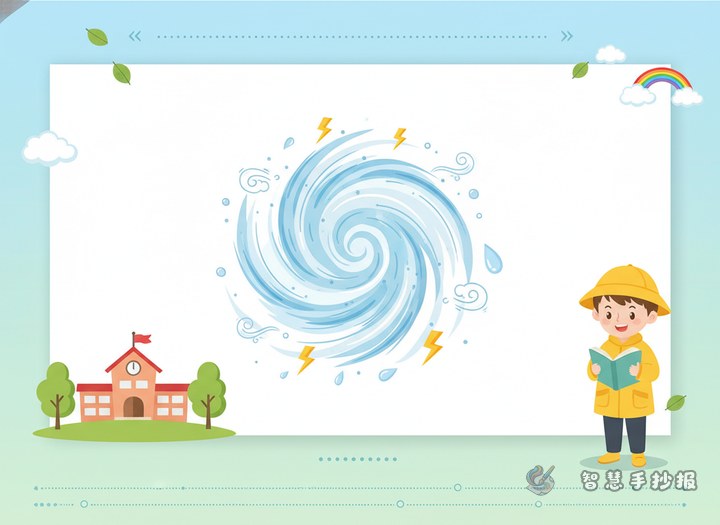
This topic looks best when the page feels active and flowing. Instead of making every box equal, you can place the title at the top and let the content follow soft curved lines across the page, like wind moving through the poster.
- Put the main title near the top center.
- Place the science explanation on one side and daily life examples on the other.
- Use the bottom area for safety reminders or a mini question section.
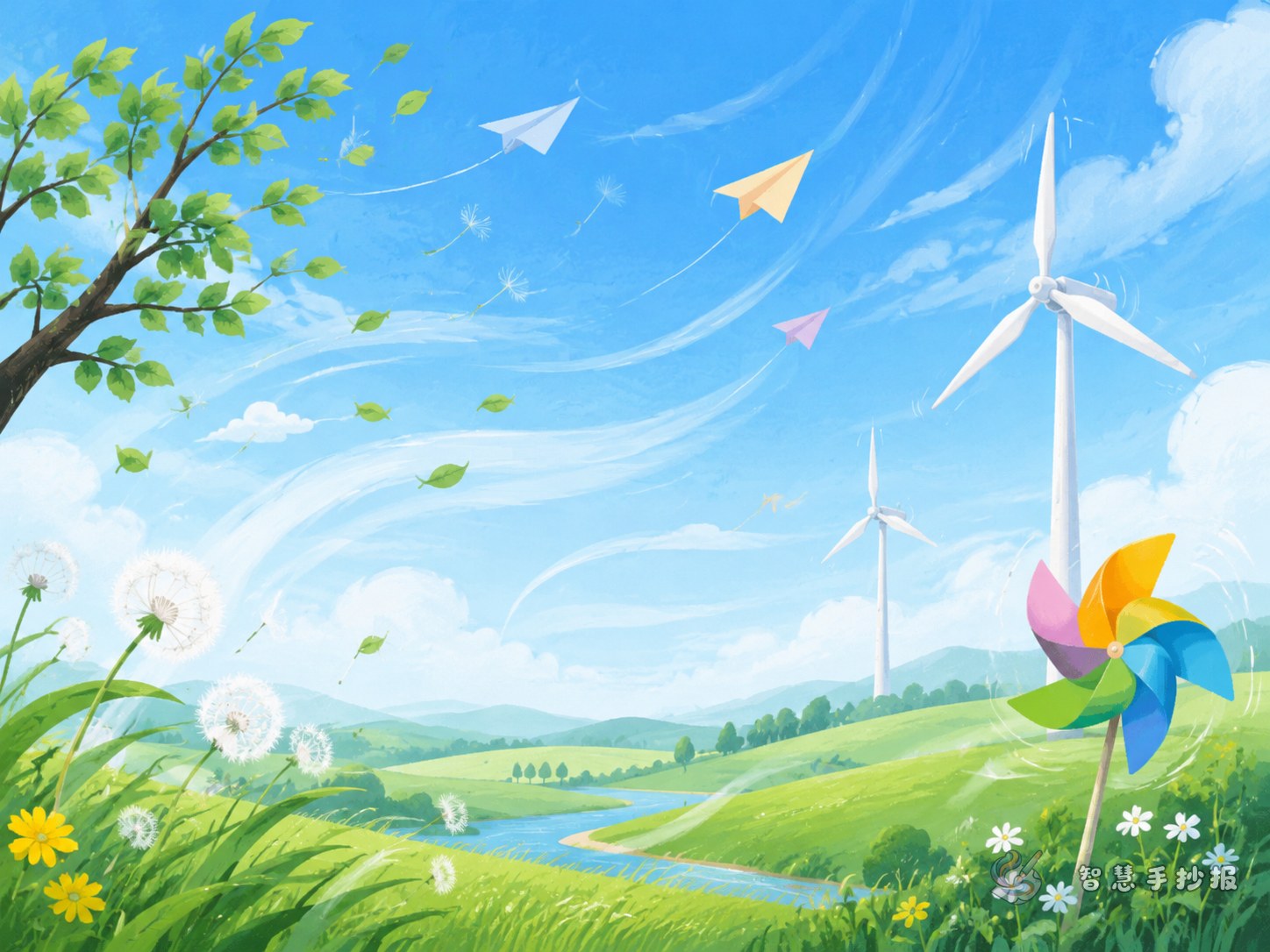
Decorations such as clouds, flying leaves, ribbons, kites, and windmills are easy to draw and fit the topic well. Blue, green, and pale yellow colors can make the page feel fresh and bright.
Small ideas that make the poster stand out
To make the handwritten newspaper more interesting, add one or two simple questions like Can we see wind? Why does wind blow at different speeds? This creates interaction and keeps the page from looking flat.
You can also highlight key words such as moving air, temperature difference, and safety tips. Clear handwriting and a neat title often matter more than overly complicated decoration.
If you already have the topic but still want help arranging text and visuals, you can continue refining your design in the Zhihui Shouchao Bao WeChat mini program.