Choose one clear thread for the whole page
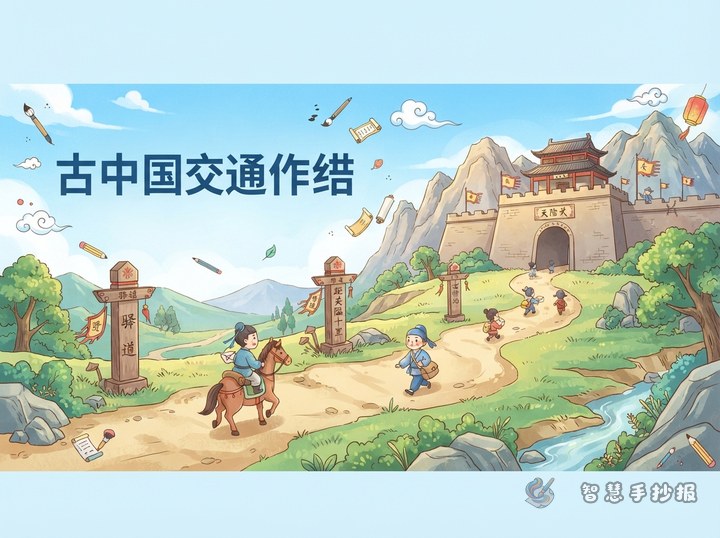
A common problem with this topic is collecting too much information and ending up with a messy poster. A better way is to follow three simple threads: how people traveled, how messages moved, and why post stations mattered. With these three ideas, the page stays focused and easy to read.
Your main title can be lively but clear, such as exploring ancient post stations, the secret of long-distance message delivery, or stories from the old roads.
Best content sections for the main body
1. What was a post station?
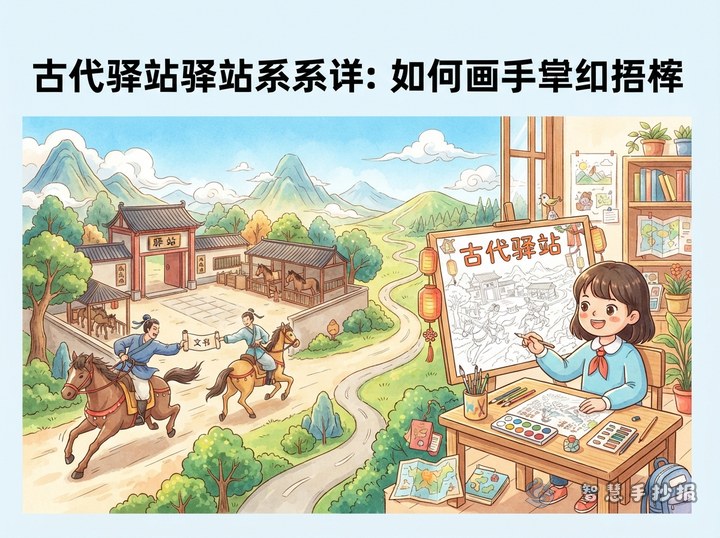
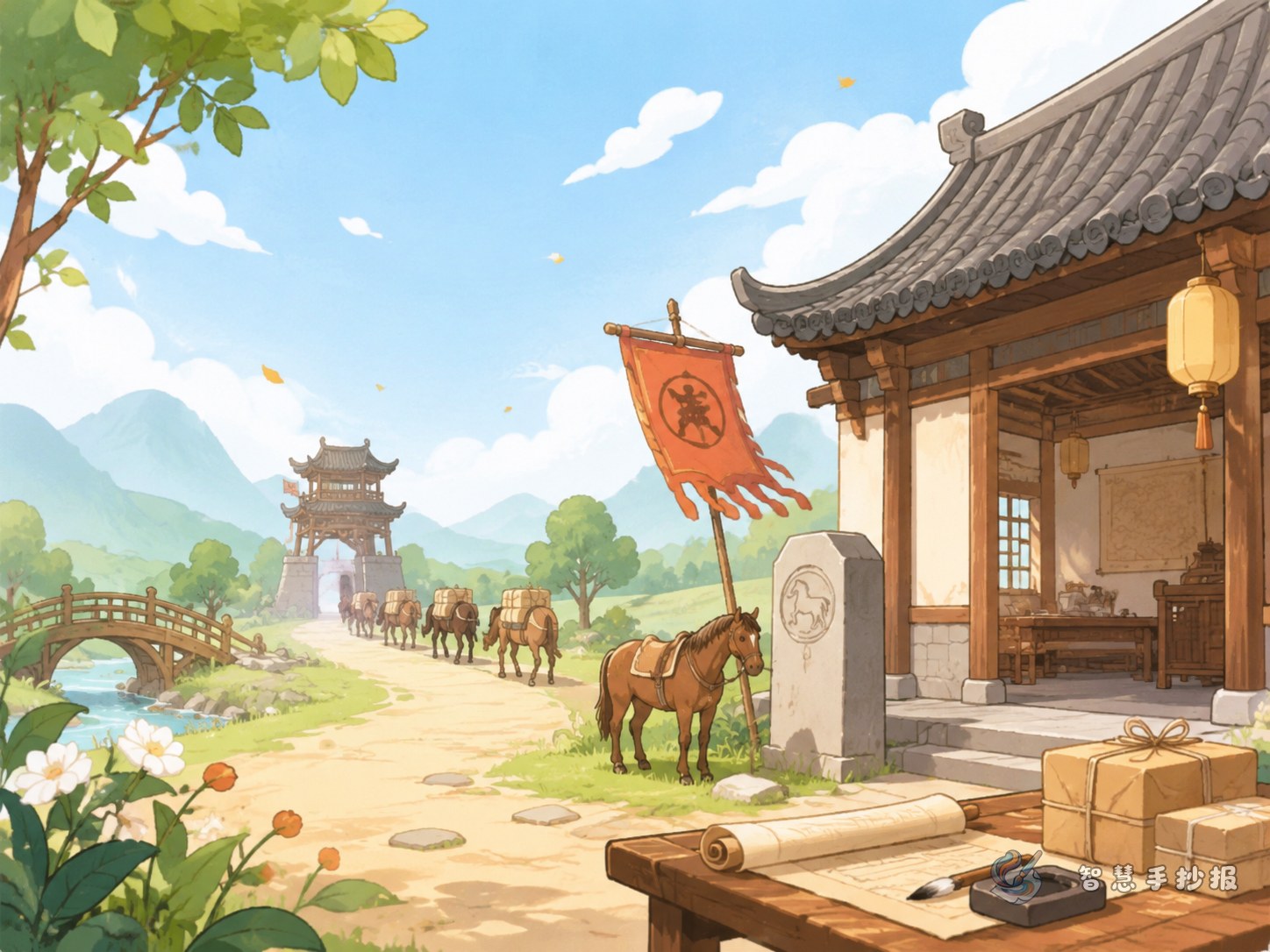
An ancient post station was an official stop used to deliver documents, receive messengers, change horses, and provide short rest along major routes. It was both a travel point and a communication center.
2. How were messages delivered?
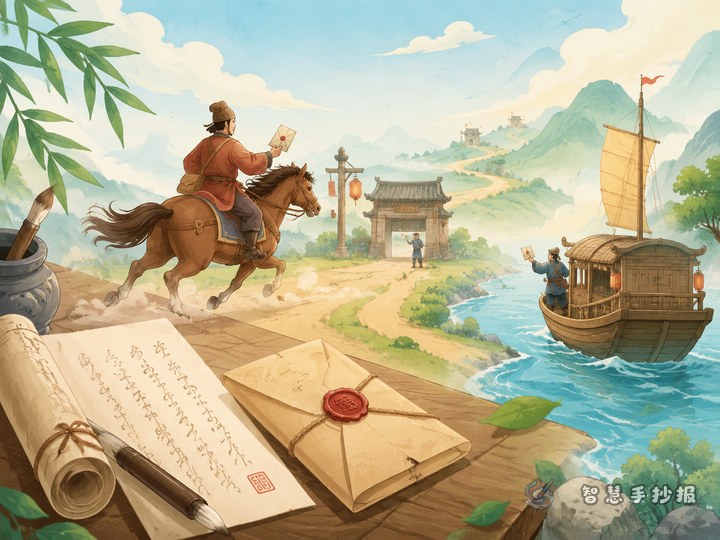
You can explain relay delivery, horse riding, official documents, bamboo slips, and letter passing. The idea of one station connecting to the next helps readers understand the system better.
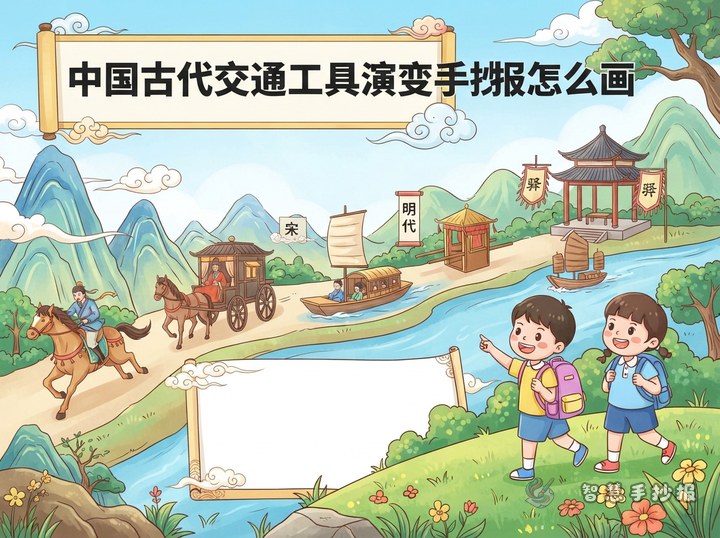
3. Common transportation tools
- Horse: fast and useful for urgent messages.
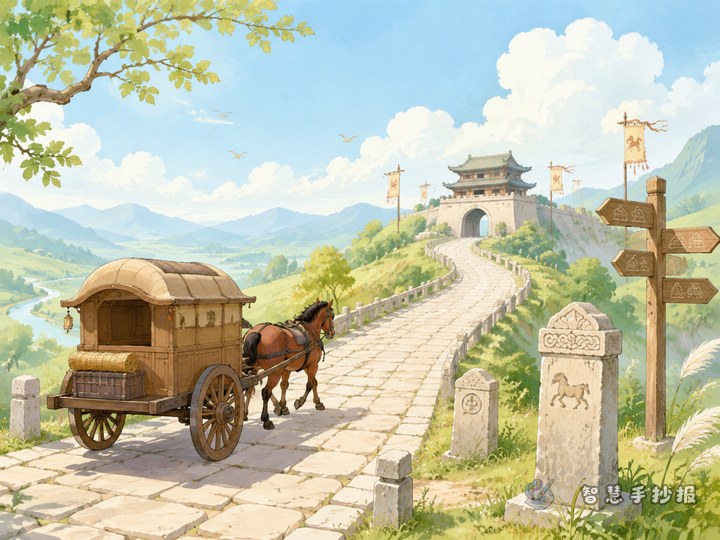
- Cart: suitable for travel and carrying goods.
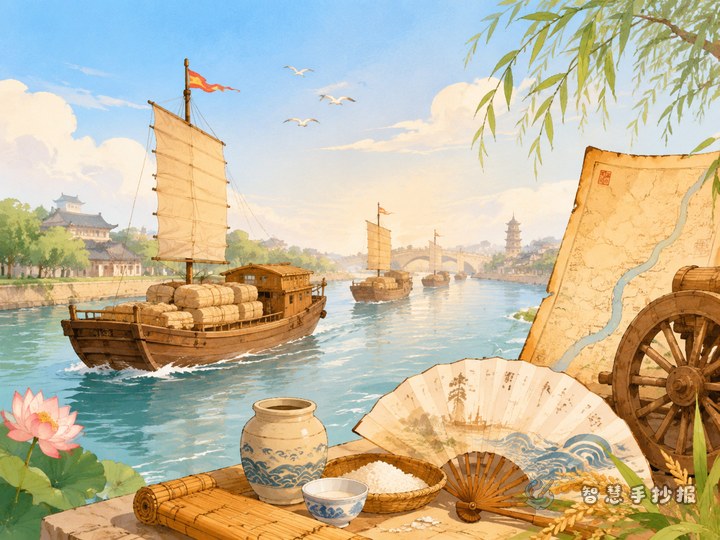
- Boat: important in river areas.
- Walking with loads: common for ordinary people.
4. The work of post workers and messengers
Post workers handled arrivals, horse changes, and document delivery. Their hard work shows the effort behind ancient transportation and communication.
Add a storytelling touch to make it lively
A poster does not have to be only facts. You can include a small scene, such as how one document moved from station to station, how many horse changes it needed, or what a messenger might see on mountain roads and old bridges. These details make the page feel alive.
You may also create a section called A Day on the Ancient Road and describe the journey from departure to delivery in a few simple sentences.
Design the layout like an old travel route
This topic works especially well with a route-style layout. Draw a winding road across the page and place each content box along the path like stations on a journey.
- Put the main title at the top.
- Place basic facts and message delivery on the left.
- Put transport tools and post worker duties on the right.
- Use the bottom area for your reflection or what you learned.
For decoration, try cloud patterns, seal shapes, wooden signs, or scroll borders. Earthy yellow, green, brown, and dark red can create a traditional feeling.
Short lines students can copy into the poster
- Post stations connected not only roads, but also news from far away.
- Before phones existed, post stations were an important bridge of information.
- A fast horse and an official letter showed the speed of ancient transportation.
- Post workers traveled through wind and rain to keep messages moving.
- Post station culture reflects the wisdom and hard work of ancient people.
End with a simple personal reflection
Your closing paragraph does not need to sound difficult. You can simply write that ancient travel was not easy, yet people still built an orderly message system, or that post stations were not just resting places but an important part of society.
After choosing your sections and style, you can continue arranging the page in the Zhihui Shouchaobao WeChat mini program to complete a cleaner and more balanced poster.