Build the theme around more than just noodles
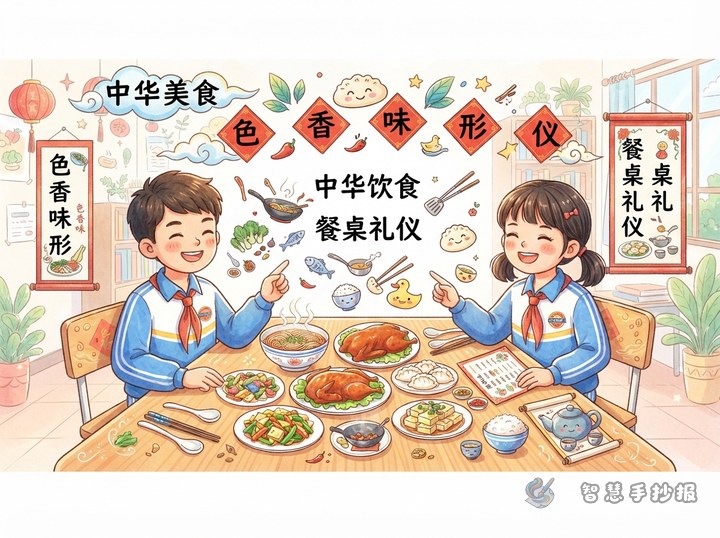
A handwritten newspaper about Chinese noodle culture should not only list foods like noodles, dumplings, buns, and steamed bread. A better idea is to combine regional food traditions with table manners so the page feels informative and meaningful.
This topic becomes richer when students show that food is not only about taste, but also about history, customs, and polite behavior at the table.
Short writing materials students can use
A simple introduction
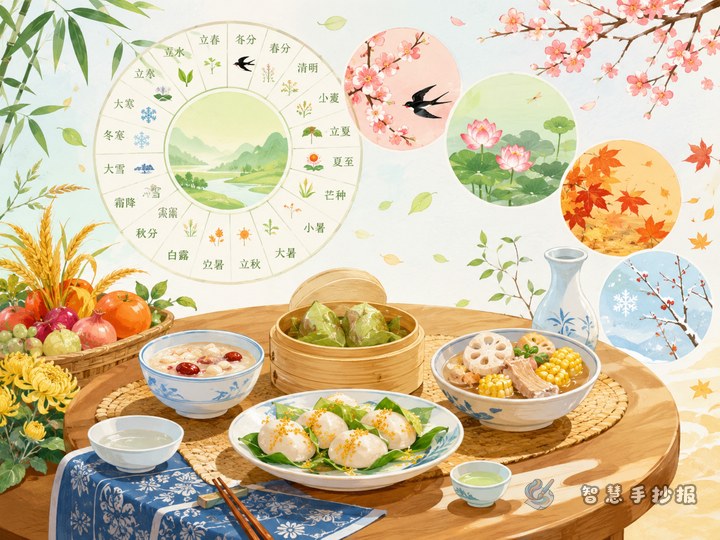
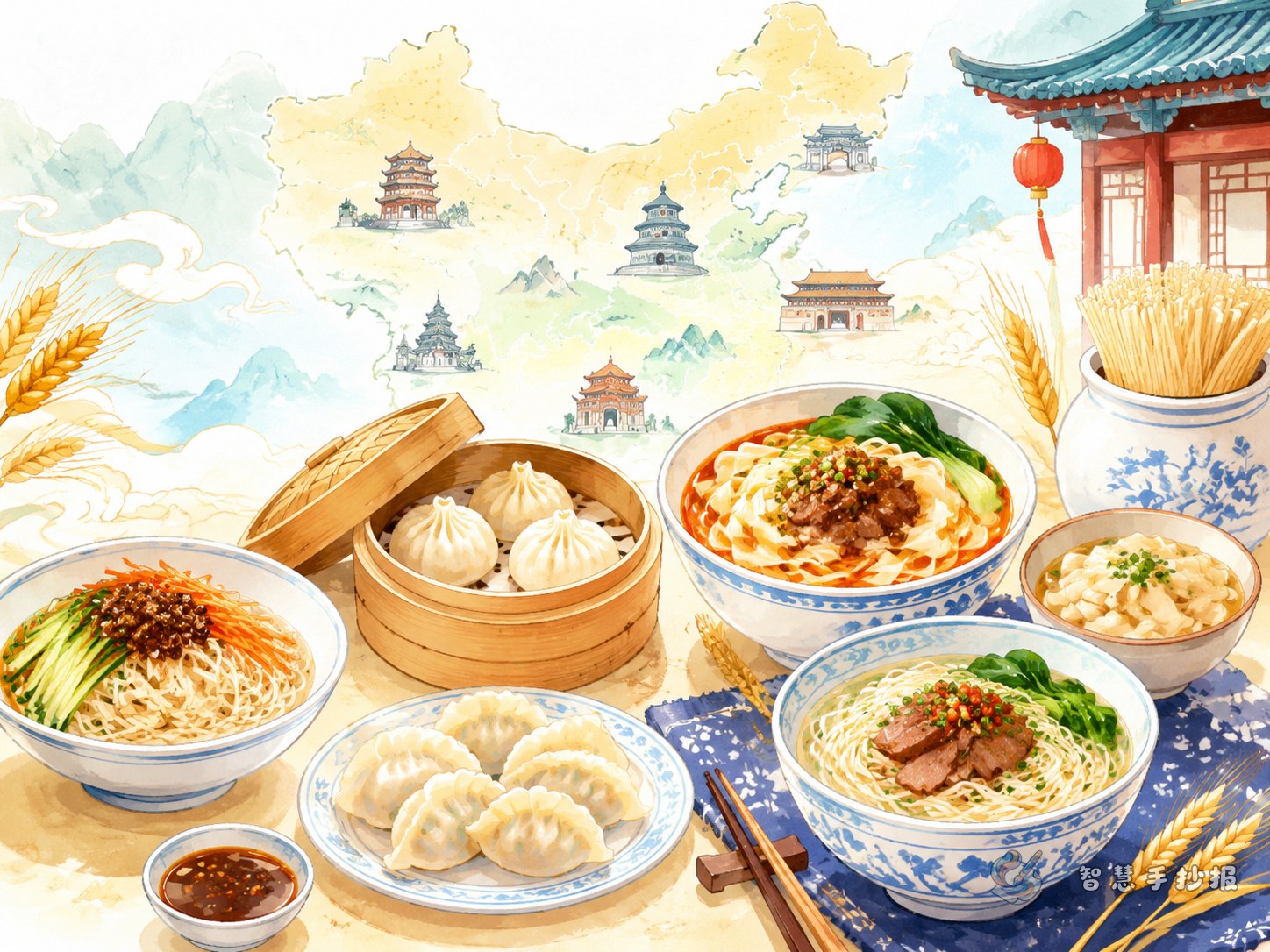
China has a rich noodle and flour-based food tradition. In many northern regions, noodles, dumplings, steamed buns, and pancakes are common daily foods. Different places have different cooking methods and flavors, showing the variety of Chinese food culture.
Quick regional fact lines
- Northern Chinese foods often focus on wheat-based staples with hearty textures.
- Shanxi is known for its wide range of noodle dishes.
- Shaanxi has many famous noodle styles with strong local character.
- Lanzhou beef noodles are loved for their clear soup and chewy noodles.
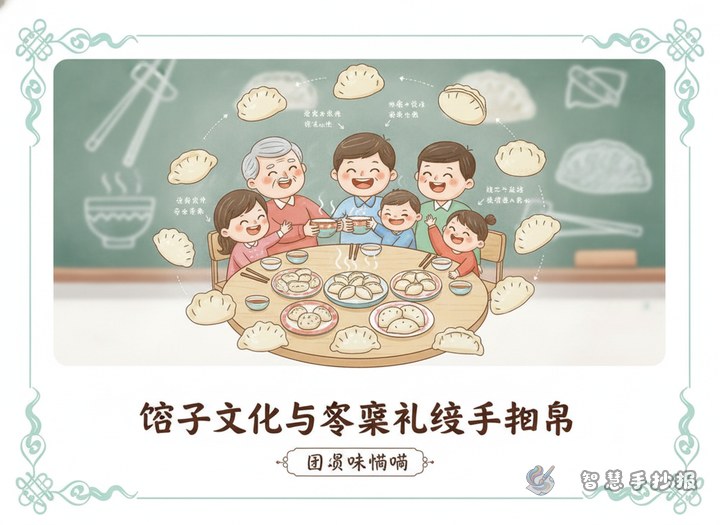
- Many family celebrations also include hot and comforting noodle dishes.
Table manners lines
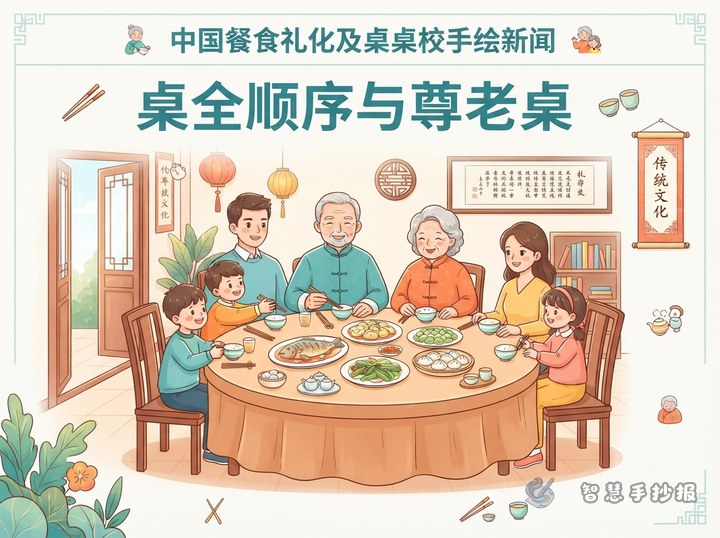
- Invite elders to start first.
- Chew slowly and do not speak too loudly while eating.
- Take food politely and do not search through shared dishes.
- Take only what you can finish and avoid waste.
- Help clean up after the meal.
Connect food culture with daily manners
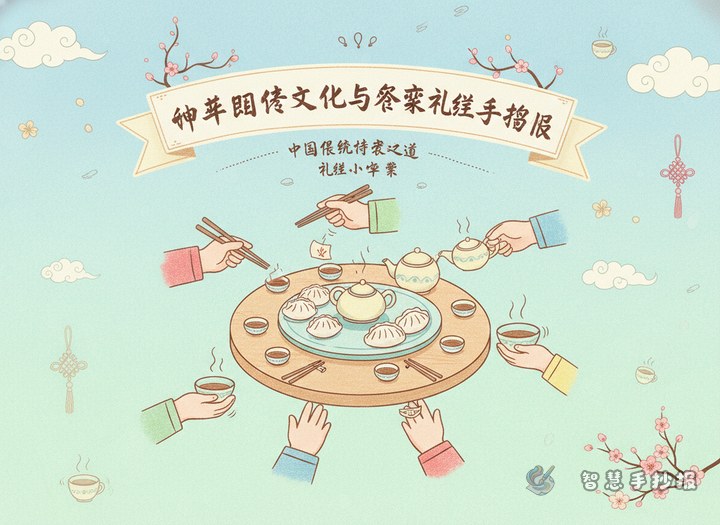
The manners section should feel practical instead of stiff. One good way is to place table manners inside real situations, such as family dinners, holiday meals, or eating with guests.
- At home, let elders and guests begin first to show respect.
- When eating noodles, sit properly and keep the table clean.
- Do not be picky with food, and value every grain and every bowl.
- Speak gently during meals and keep a warm dining atmosphere.
This approach helps students understand that good manners are part of traditional food culture.
Creative layout ideas for the page
Idea 1: Bowl-centered design
Place the main title in the middle and shape it like a large bowl of noodles. Around the bowl, create four small sections: noodle types, regional styles, table manners, and personal thoughts. This looks lively and easy to organize.
Idea 2: North and South comparison
Use the left side for northern flour-based foods and the right side for southern specialties. Put table manners in the middle as a bridge between culture and daily behavior.
Color suggestions
- Use warm colors such as yellow, cream, and orange.
- Add small drawings of wheat, chopsticks, bowls, or steam.
- Leave enough blank space so the page looks neat and bright.
Easy sections for elementary students
- Noodles I Know: list common noodle and flour foods.
- The Taste of My Hometown: introduce one familiar dish.
- Good Table Manners: write three to five simple rules.
- No Food Waste: connect food culture with saving food.
- My Final Thought: end with one warm sentence about Chinese food culture.
After drafting the words, students and parents can continue refining the page in the Zhihui Shouchaobao WeChat mini program to improve the layout and make the handwritten newspaper more polished.
A natural ending for the page
You can close with a short message like this: Chinese noodle culture is full of warmth, variety, and tradition. By learning good table manners, we are also learning how to respect others and carry forward Chinese food culture.