Start with a clear and gentle theme
Instead of writing only about tea types or only about etiquette rules, combine both ideas into one theme. A good central message is A cup of tea carries respect and warmth. This helps the handwritten newspaper feel meaningful and focused.
You may choose a title like Tea and Courtesy in Chinese Tradition or The Etiquette Hidden in a Cup of Tea. Add a short line under the title, such as Serve tea with respect, welcome guests with kindness.
Writing materials you can use directly
Simple tea culture points
- Tea is a traditional Chinese drink and an important part of daily culture.
- Serving tea often expresses welcome, respect, and good wishes.
- Tea culture values calmness, harmony, politeness, and elegance.
Short etiquette lines
- Greet guests first, then offer tea politely.
- Serving tea with both hands shows respect.
- When receiving tea, say thank you.
- Drink quietly and avoid disturbing others.
- Speak gently and listen carefully at the tea table.
A short paragraph for the page
In Chinese tradition, tea is more than a drink. It can welcome guests, show respect to elders, and create a peaceful space for conversation. A small tea table can reflect a person’s manners and kindness.
A simple layout can still look beautiful
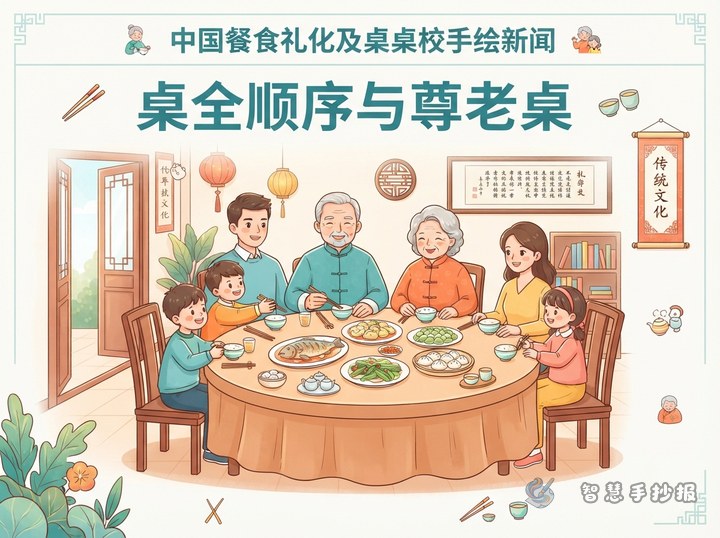
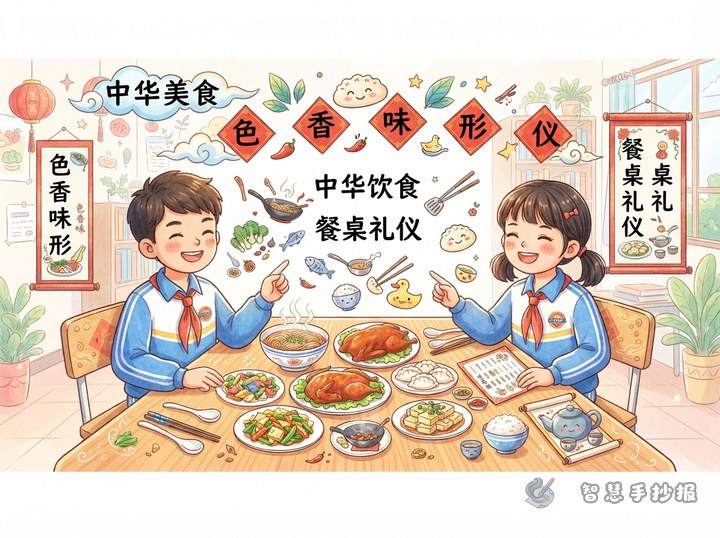
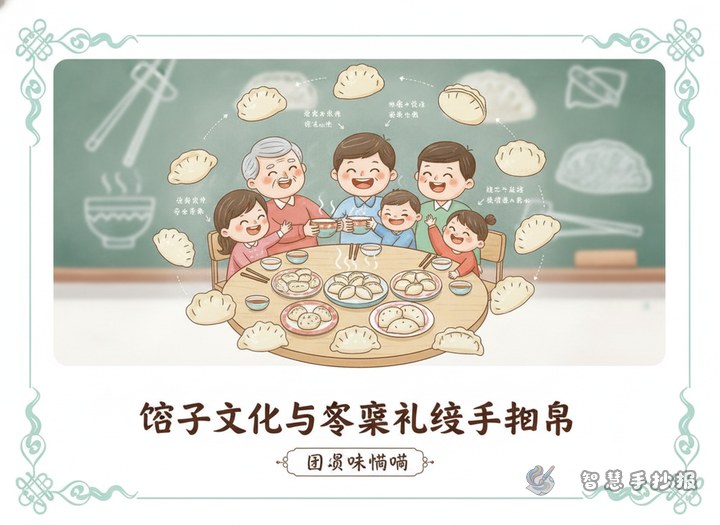
If the page is not large, use a three-part layout. Put the main title and drawings at the top, tea culture facts and etiquette points in the middle, and a reflection or slogan at the bottom. This makes the page easy to read and easy to finish.
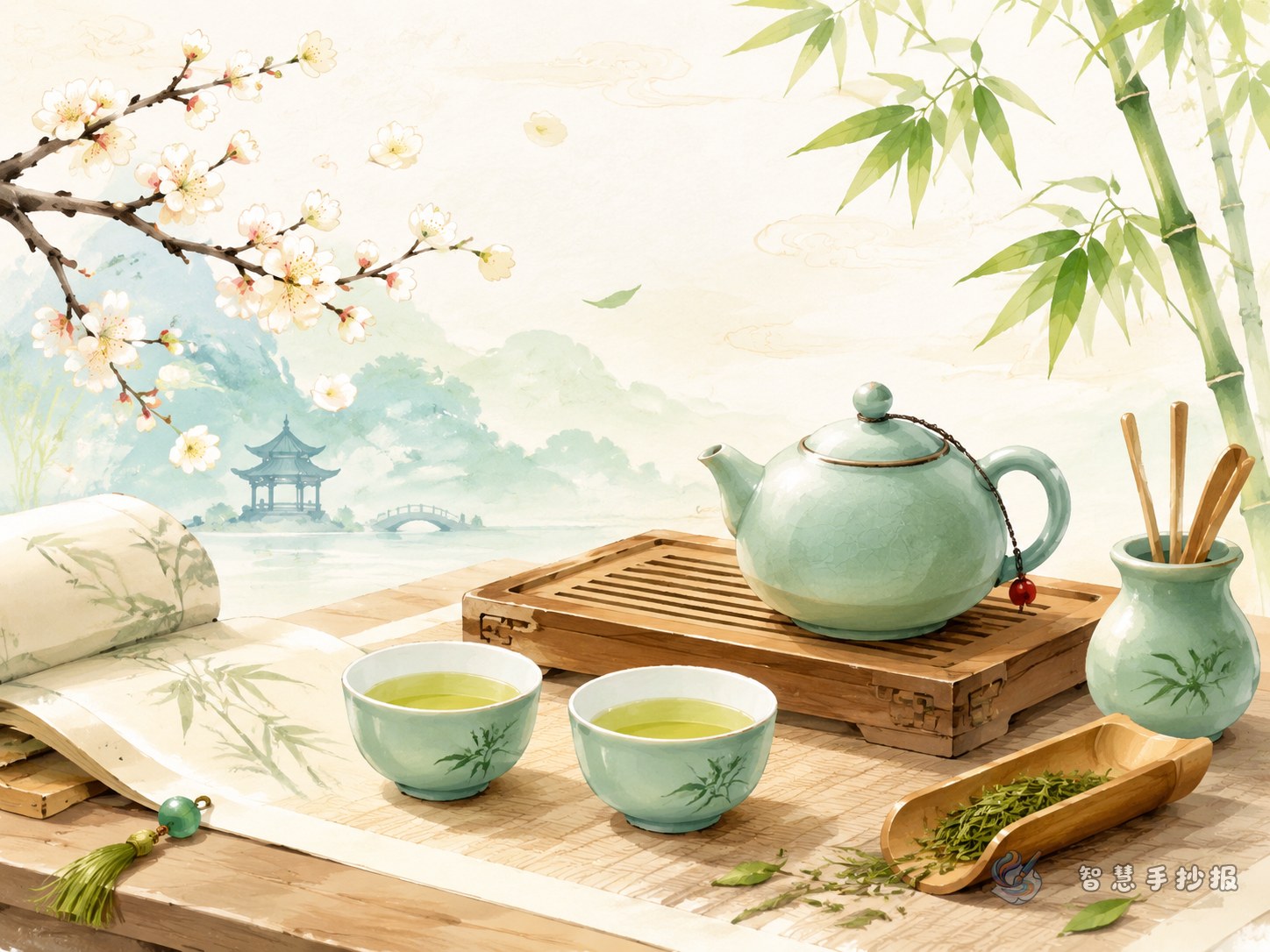
- Left area: teapot, teacup, and tea leaf drawings with basic tea facts.
- Right area: simple hosting and tea-table manners.
- Bottom area: a slogan such as Be a polite little host.
You can also place text in cup shapes or scroll-style boxes, but keep enough blank space so the page does not feel crowded.
Best etiquette points for students to include
- Say hello when guests arrive.
- Serve tea carefully and safely.
- Offer tea to elders or guests first.
- Receive tea politely and say thank you.
- Handle cups gently and avoid loud noise.
- Do not interrupt others while talking.
These ideas are practical, easy to understand, and suitable for school work about manners and traditional culture.
Small details that improve the whole poster
Use gentle decorations such as tea leaves, round cup mats, window-style borders, or simple mountain lines. Choose green, light brown, and cream tones for a fresh and calm feeling. Important words like respect, harmony, and courtesy can be written larger to highlight the theme.
To make the work feel more personal, end with a reflection such as I think tea carries respect, and good manners help culture live on.
Check these points before finishing
- Make sure both tea culture and hospitality etiquette appear on the page.
- Include at least one knowledge section, one etiquette section, and one reflection section.
- Make the title clear and the key words easy to notice.
- Keep drawings related to tea and avoid messy decoration.
- Write neatly and leave enough space between sections.
If you want to keep improving the layout, you can continue organizing titles, sections, and color ideas in the Smart Handwritten Newspaper WeChat mini program.