Start with a small group of classic motifs
When making a handwritten newspaper about traditional Chinese auspicious patterns, the key is not to include everything. It is better to choose a few famous motifs that are easy to draw, easy to explain, and rich in meaning.
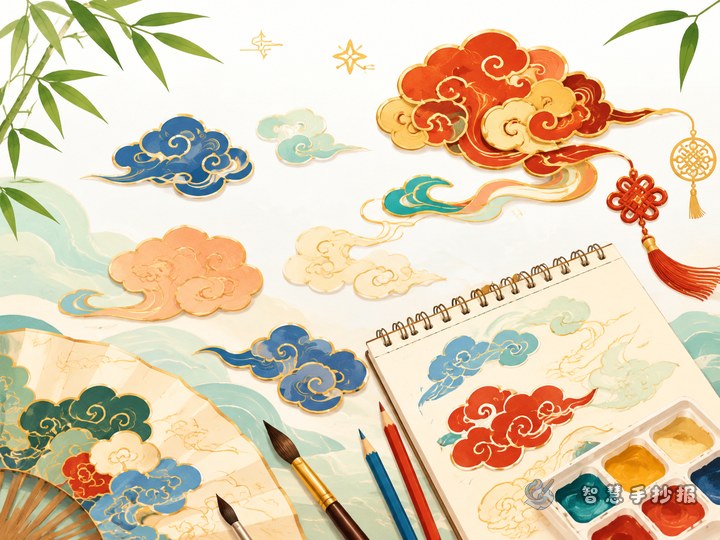
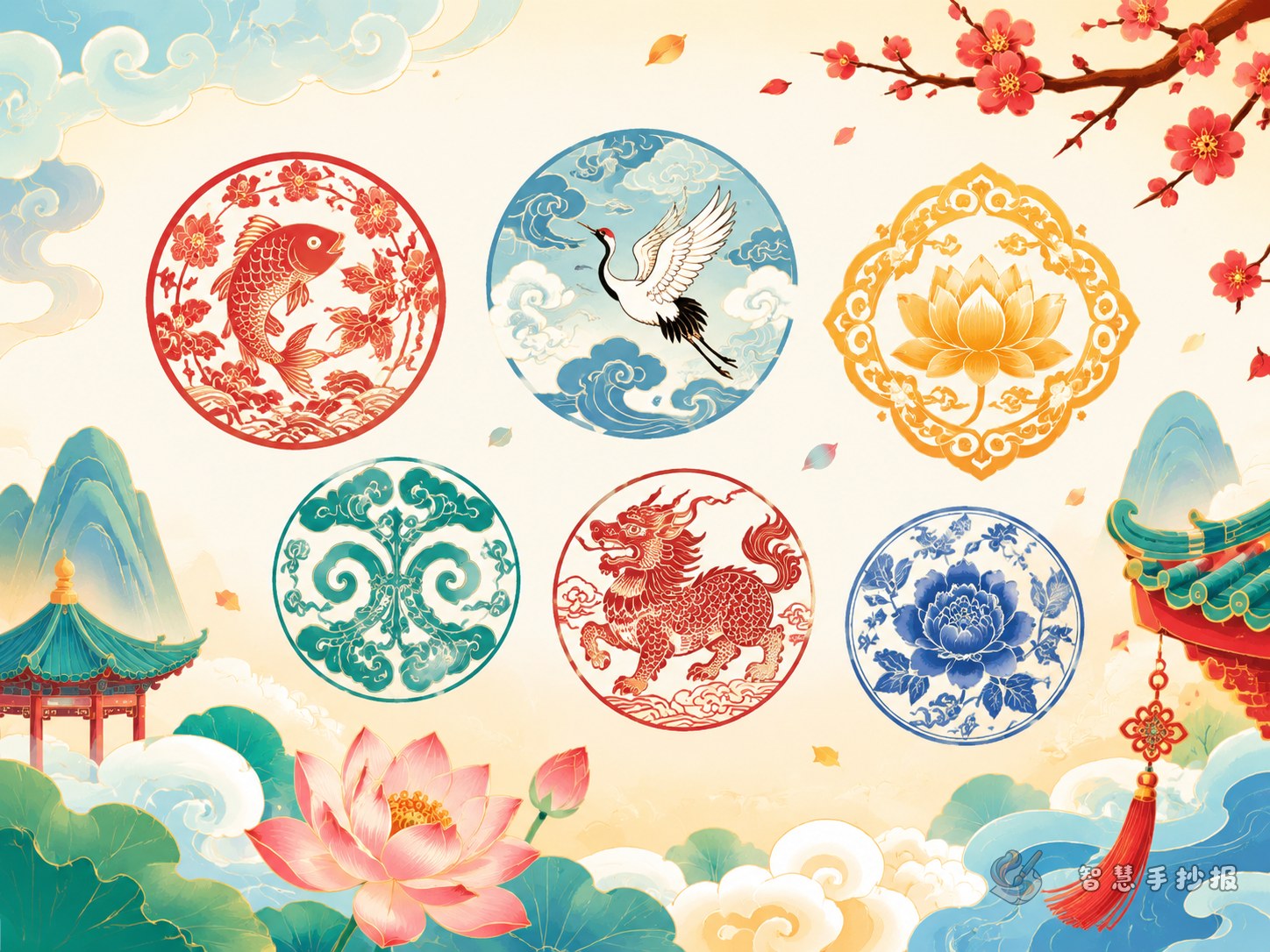
- Cloud pattern: often represents harmony, good fortune, and peace.
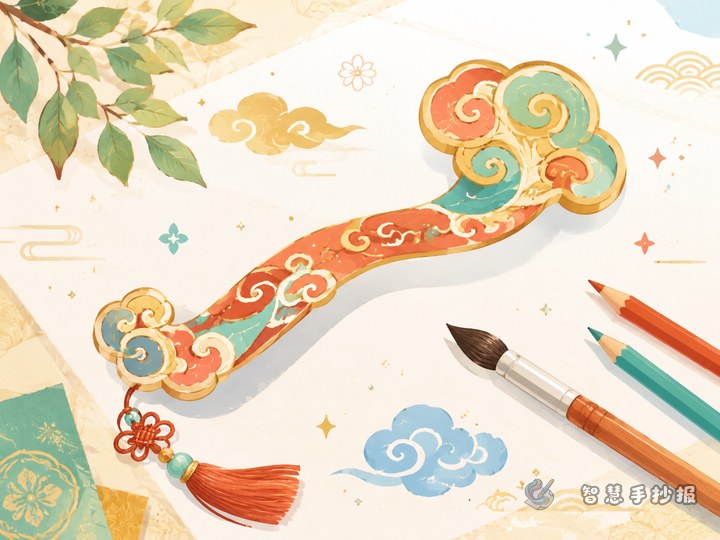
- Ruyi motif: its name already suggests wishes coming true and smooth success.
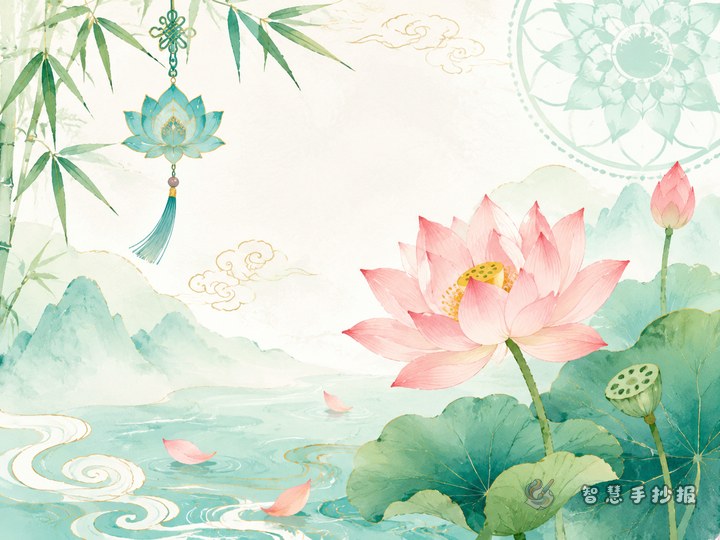
- Lotus pattern: often linked with purity, elegance, and beauty.
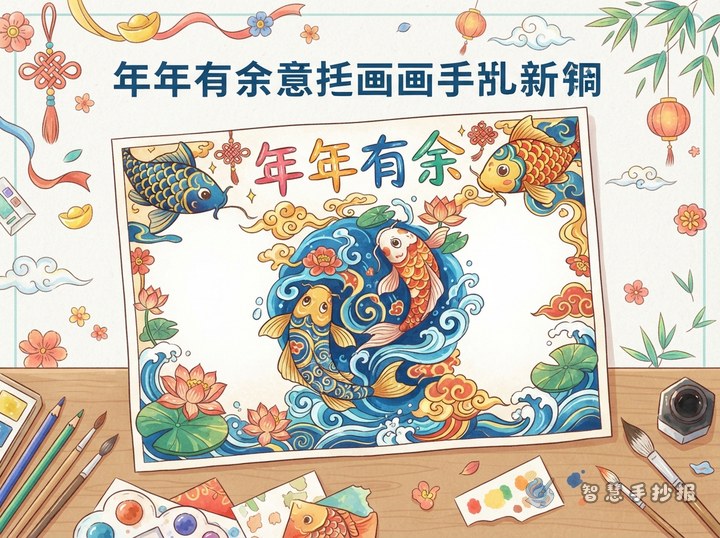
- Fish motif: commonly used to express abundance and the wish for surplus every year.
- Bat design: connected with blessing and good luck because of the sound association with fortune.
- Dragon and phoenix: strong traditional symbols that work well as visual highlights.
If the page is small, choose three motifs. If there is more space, four or five motifs can be arranged into separate sections.
How to write about each pattern in a student-friendly way
Instead of copying long explanations, students can introduce each pattern through a simple structure: what it looks like, what it means, and where people may see it.
- Describe the shape: for example, cloud patterns often have soft curling lines.
- Explain the blessing: ruyi stands for good wishes, and fish stands for abundance.
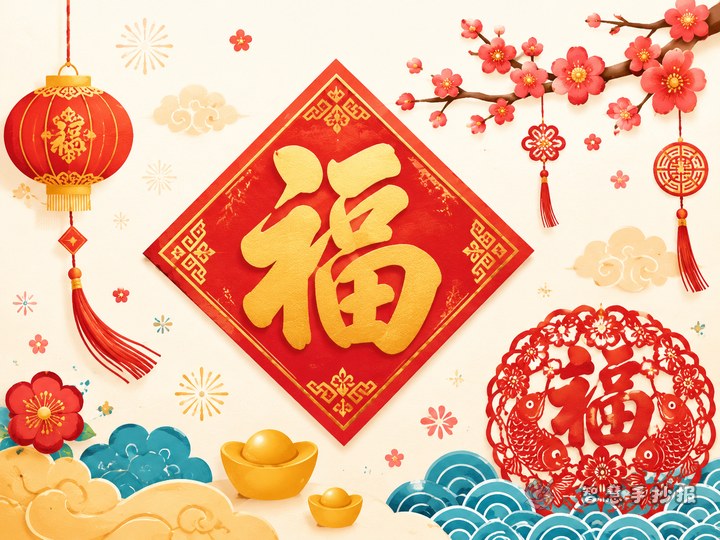
- Mention daily use: these patterns may appear on paper-cutting, pottery, clothing, festival decorations, and traditional buildings.
- Add a personal feeling: short lines like “It looks festive” or “It feels elegant” make the page more lively.
This style works especially well for school handwritten newspapers because it is clear, short, and easy to read.
Useful sections for the page
This topic works well when one main pattern leads the whole layout instead of using plain equal columns.
Section 1: Patterns I Know
Introduce three to five motifs with one small drawing beside each short note.
Section 2: Blessings Hidden in Patterns
Collect the meanings of the motifs in short lines, such as peace, happiness, purity, or abundance.
Section 3: Traditional Patterns in Daily Life
Write about where these motifs can be seen, including clothes, ceramics, window decorations, and architecture.
Section 4: My Favorite Motif
Add a short personal paragraph to make the work feel more original and expressive.
Let the patterns shape the layout
This kind of handwritten newspaper becomes more attractive when the motifs are used in the border and title design.
- Title area: use a bright main color and decorate around it with cloud or ruyi shapes.
- Border: do not fill every side heavily. A few repeated motifs can create balance.
- Section dividers: replace plain straight lines with small decorative pattern elements.
- Color plan: choose two to four colors such as red, gold, blue, or green to keep the page harmonious.
Even simple drawings can look effective if the same motif is repeated in a consistent way.
Short lines that can be placed directly on the page
- Traditional patterns turn good wishes into visible beauty.
- A cloud motif carries hopes for peace and harmony.
- A fish design expresses the wish for abundance every year.
- Ruyi patterns reflect people’s hope for a happy life.
- Auspicious designs are not only beautiful, but also full of cultural meaning.
These short lines can be placed under the title, beside drawings, or at the end of a section to make the whole page feel more complete.
Three final checks before finishing
Make sure the topic stays focused on classic auspicious patterns. Keep the text short and clear. Use repeated visual elements so the whole page looks unified. If students want to continue improving their work, they can also organize ideas and layout details in the Zhihui Shouchaobao WeChat mini program.