Choose a clear direction before starting
When making this kind of handwritten newspaper, it is better not to include every traditional pattern you know. A smaller and clearer theme works better, such as “Auspicious Motifs I Know”, “Traditional Patterns That Carry Blessings”, or “Beautiful Meanings in Chinese Designs”. A focused theme makes the page easier to organize and more attractive.
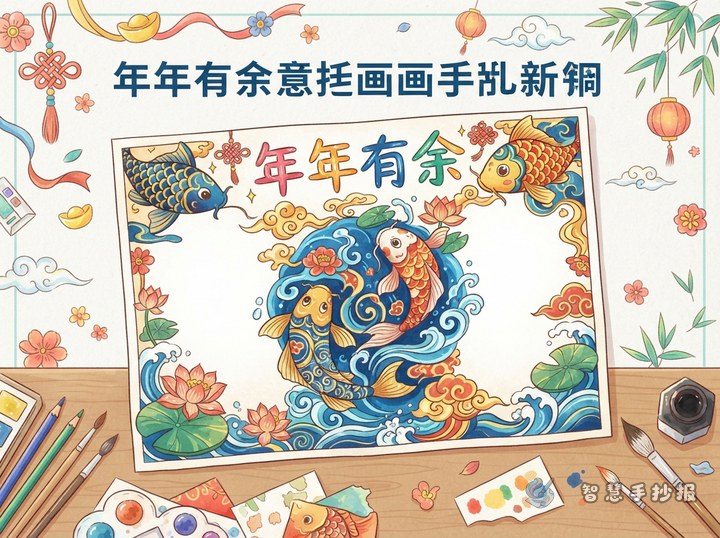
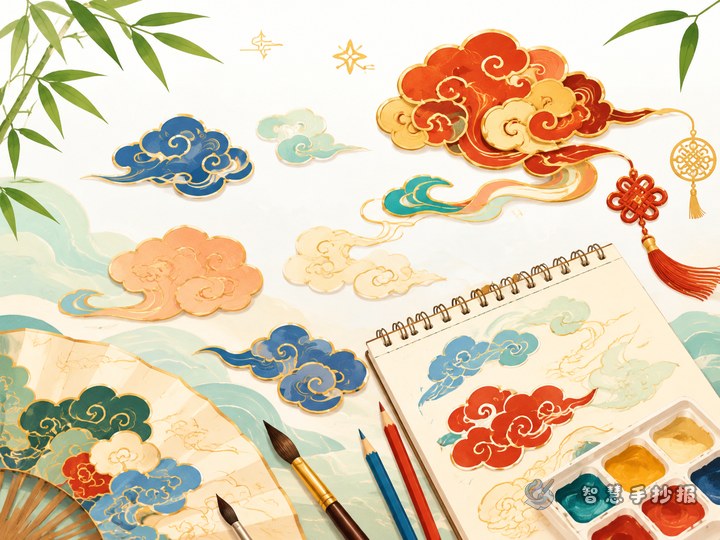
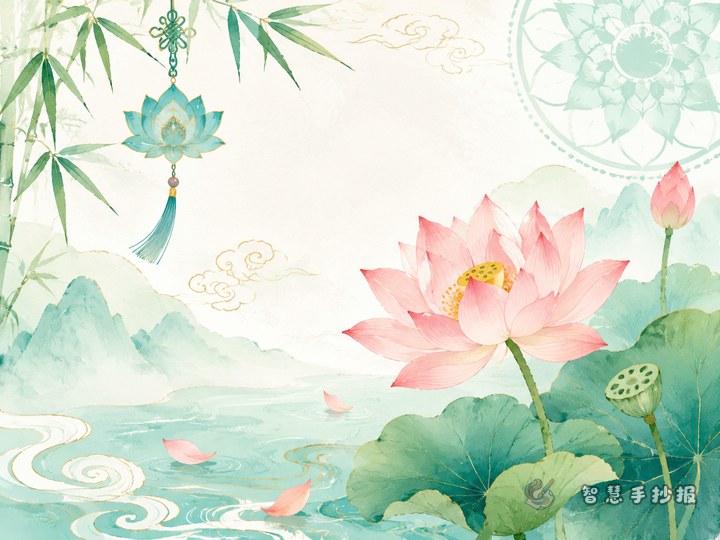
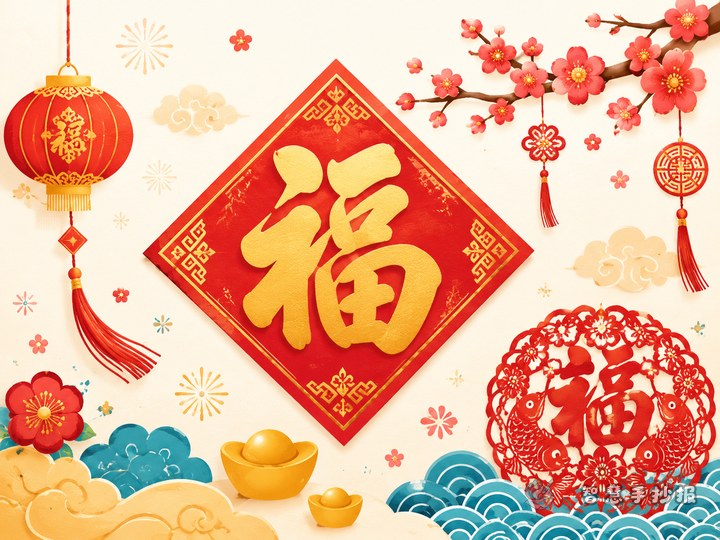
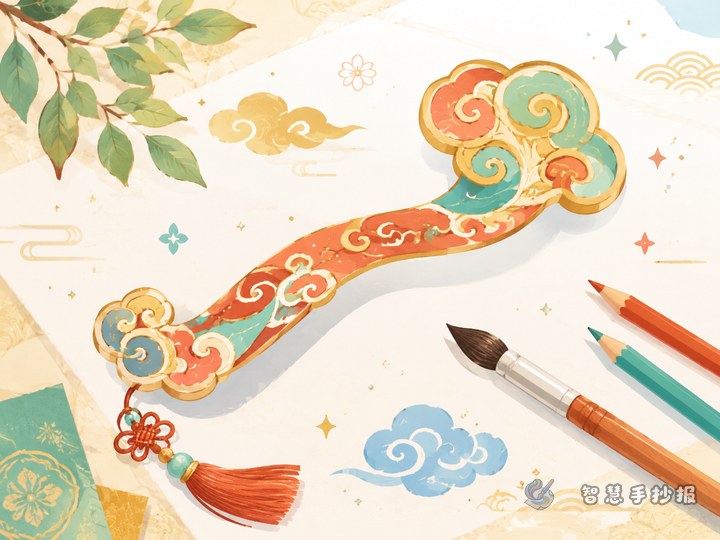
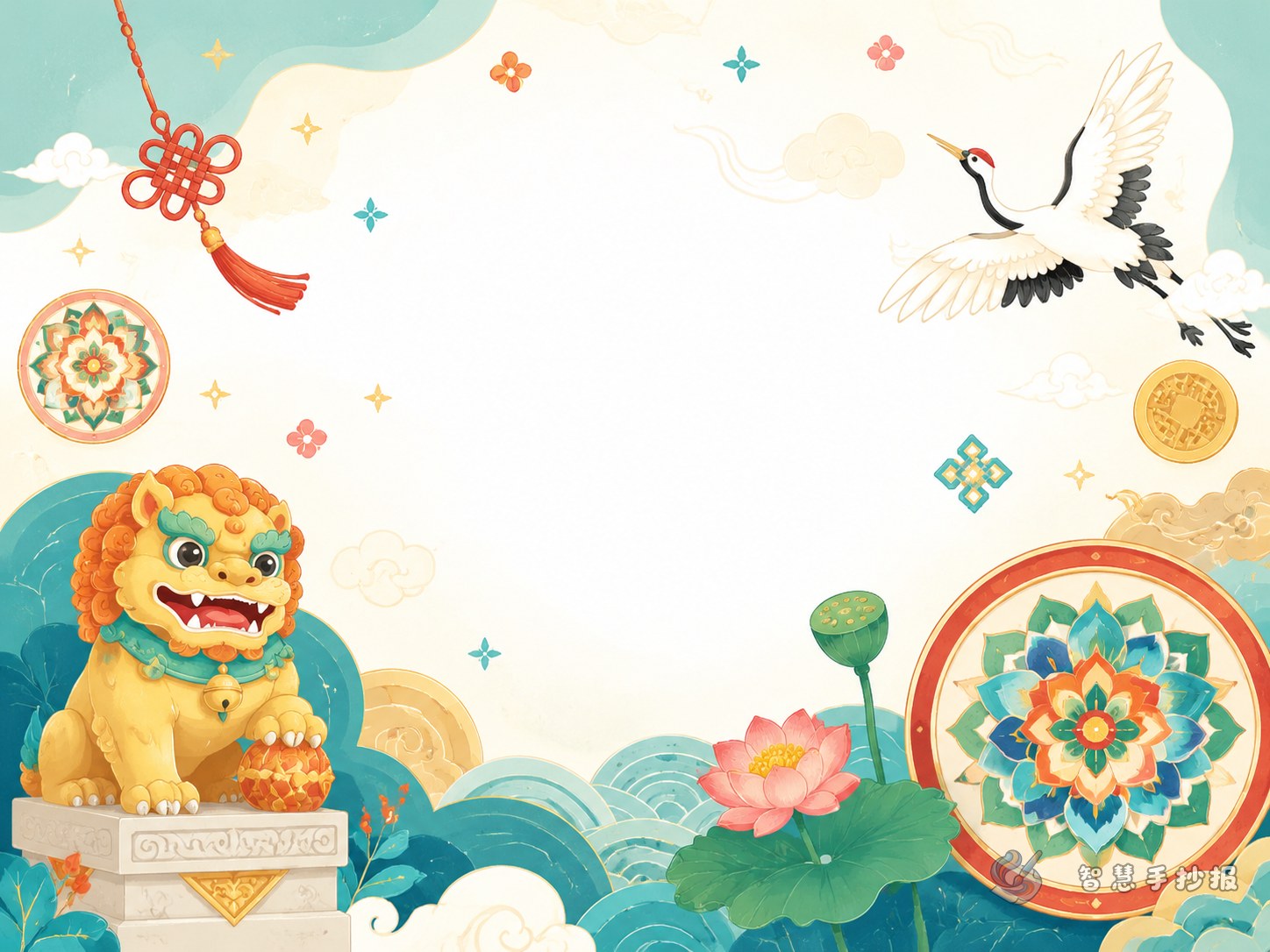
For schoolwork, students can start with a few well-known motifs. Cloud patterns often suggest good fortune, ruyi represents wishes coming true, lotus stands for purity, and fish patterns are linked to abundance. A focused topic gives the page a stronger visual identity.
Four simple sections are usually enough
A primary school handwritten newspaper does not need too many sections. Four content blocks are often enough to make the page look full and balanced.
- Section 1: What are auspicious patterns? Explain in simple words that traditional Chinese motifs often express blessings and hopes.
- Section 2: Three patterns I like Write the name, shape, and meaning of each one.
- Section 3: Blessings hidden in patterns Mention ideas such as peace, reunion, good harvest, and happiness.
- Section 4: My own design idea Describe how you would use a pattern in the title, border, or corners.
If the page still feels empty, add a small word bank with lucky expressions like “good fortune,” “joy,” “harmony,” and “abundance year after year.”
Ready-to-use writing materials
Short opening paragraph
Chinese traditional patterns are an important part of Chinese visual culture. People in the past turned their hopes for happiness and a good life into decorative motifs. Through this handwritten newspaper, we can learn about these patterns and feel the beauty of traditional art.
Sample motif notes
- Cloud motif: soft and flowing lines that often symbolize good luck and smooth progress.
- Ruyi motif: rounded and graceful in shape, often connected with the wish that everything goes well.
- Lotus pattern: elegant and calm, often giving a pure and beautiful feeling.
- Fish motif: often linked with abundance and a rich life because of its lucky association.
- Repeating border pattern: neat and continuous, very suitable for page frames and decorative edges.
Ending idea
Traditional patterns are like silent blessings drawn into art. By making this handwritten newspaper, we can see that these designs are not only beautiful but also full of cultural meaning.
Layout ideas that create a traditional feeling
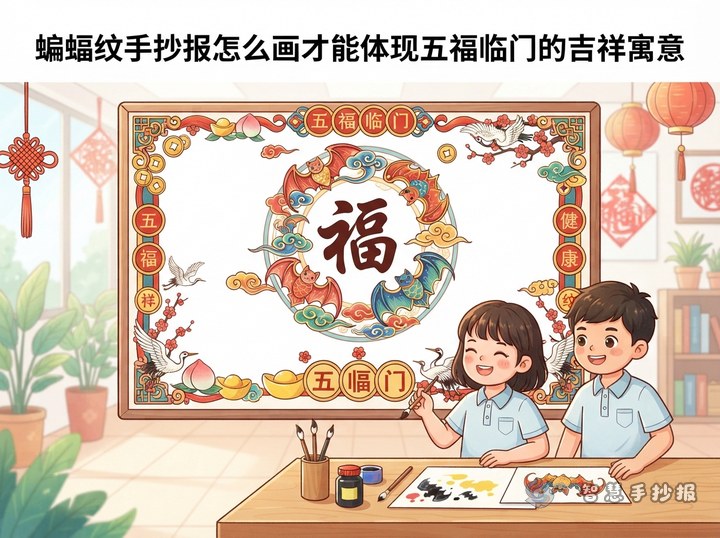
A practical layout is to place the main title in the center and arrange content blocks around it. Small decorations can be placed in the corners to make the whole page feel balanced. The title can be decorated with cloud curls, lotus petals, or ruyi-inspired shapes.
The border does not need to be difficult. Choose one motif and repeat it, such as a geometric border, lotus petals, or a small flowing cloud line. Repetition helps the whole page feel complete and consistent. Leave some blank space so the page can breathe.
Color matching that works well for children
This topic looks best with colors that feel traditional but not too heavy. Good combinations include red and golden yellow, green and cream, or warm orange-red with dark brown. For primary school work, it is best to limit the palette to no more than three main colors.
- Use red or deep orange for the title to make it stand out.
- Use dark green, blue, or brown for subheadings.
- Add small touches of yellow or gold for a festive effect.
If strong colors feel too crowded, try pale background tones with darker outlines. This keeps the traditional style while still looking clean and school-friendly.
Small details that improve the final result
- Keep section titles short and easy to read.
- Choose patterns that are symmetrical, repeatable, and easy to simplify.
- Use short paragraphs or bullet points instead of long text blocks.
- Match the title, border, and illustrations so the style stays unified.
- After finishing the draft, check where the page feels too empty or too crowded, then adjust with small decorative motifs.
If you want to refine the layout, test different title styles, or try more color plans, you can continue creating in the Zhihui Shouchaobao WeChat mini program.