Picking a clear deep-sea theme
A strong handwritten newspaper works best when the topic is focused. Instead of writing about all ocean life, students can center the page on mysterious deep-sea animals. This makes the content more interesting and easier to organize.
The title can be simple and lively, such as “Who Lives in the Deep Sea?” or “Amazing Deep-Sea Animals.”
Animals worth featuring
Choose a few representative creatures rather than too many. Each one can be introduced in one or two short sentences.
- Anglerfish: It uses a glowing lure to attract prey in the dark sea.
- Lanternfish: Its body can produce light, helping it hide or communicate.
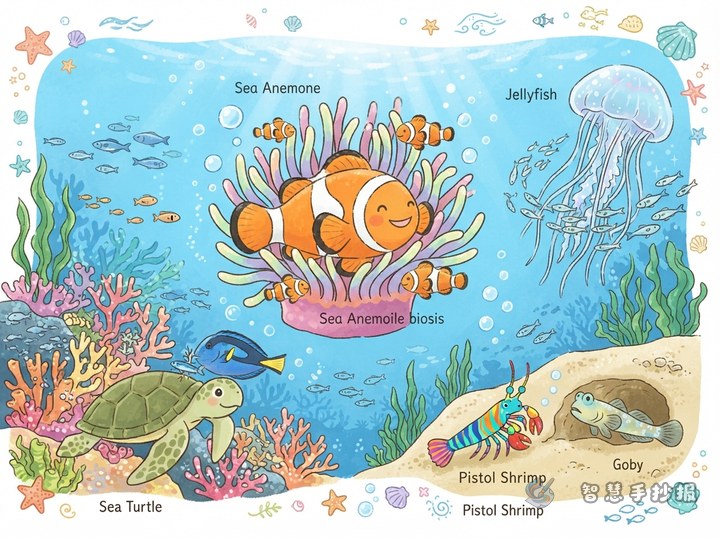
- Jellyfish: It floats gently and has a soft, umbrella-like shape.
- Octopus: It is clever and can protect itself by changing color.
- Seahorse: It looks unique, and the male seahorse helps carry babies.
Useful content blocks for the page
Students can divide the page into several small sections so the content feels rich but not crowded.
- Deep-sea stars: Introduce 3 to 5 animals.
- Amazing survival skills: Explain glowing bodies, camouflage, soft bodies, or sharp senses.
- Fun ocean facts: Add short facts about darkness, pressure, and cold temperatures in the deep sea.
- Protect the ocean: Write a short message calling for less littering and more care for marine life.
Layout ideas that create an underwater feeling
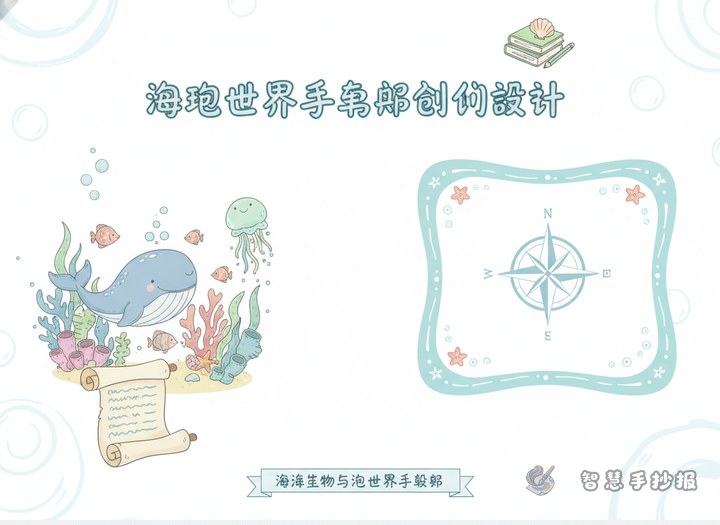
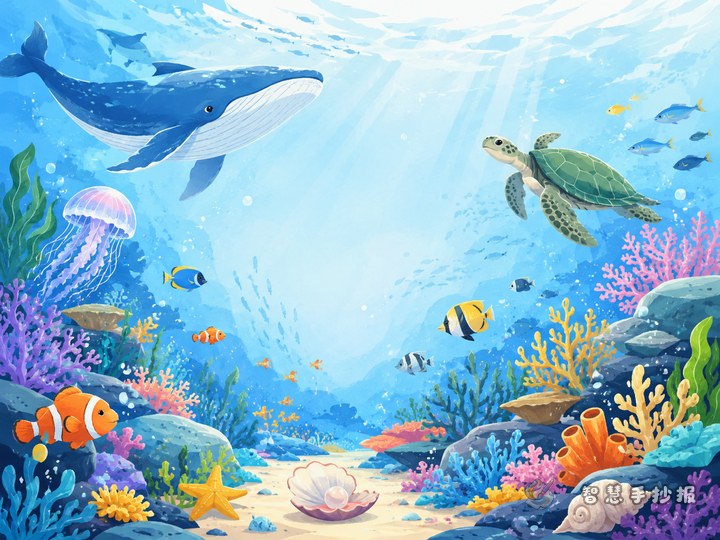
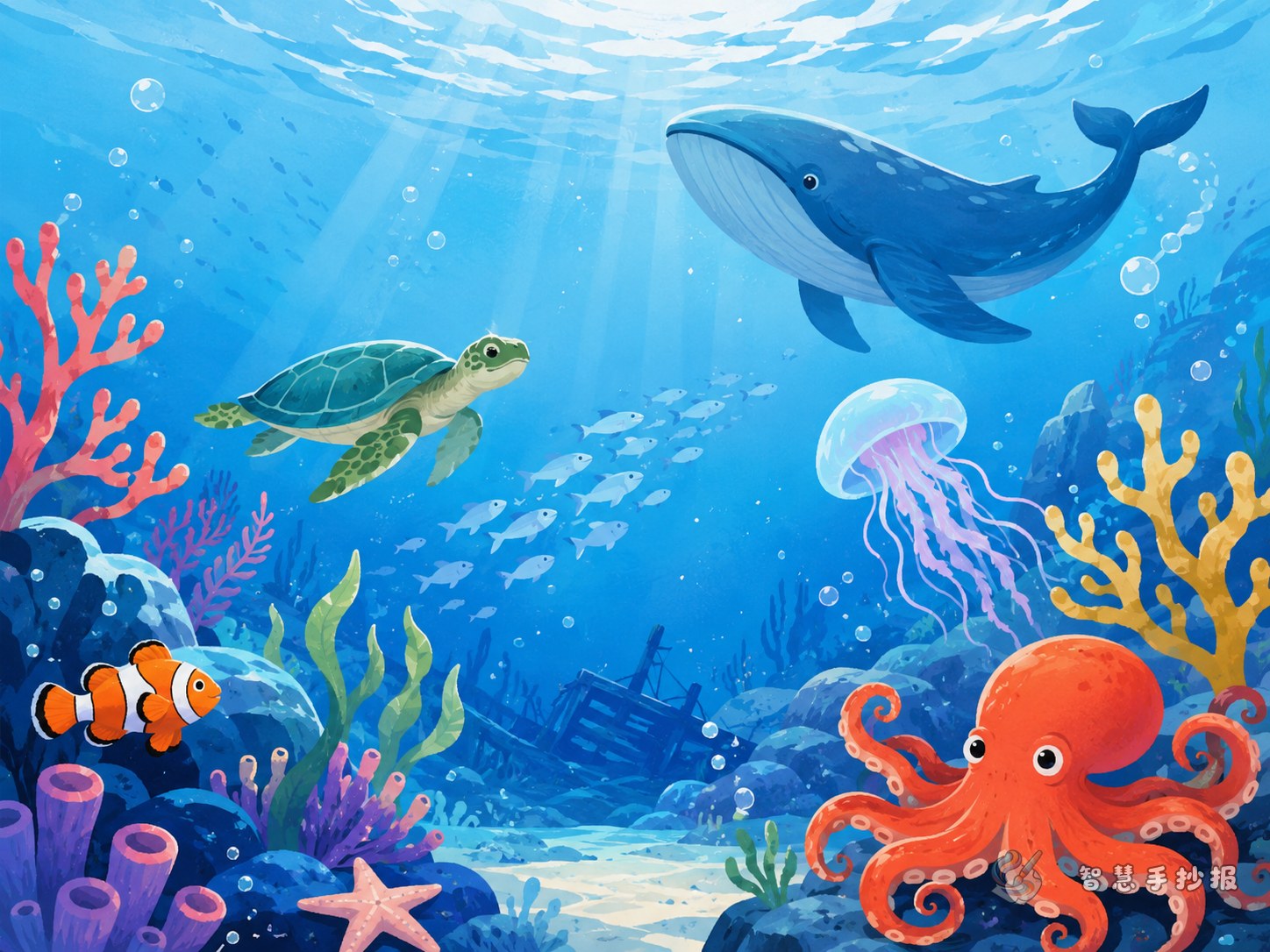
The page can be designed from top to bottom like a dive into the sea. The upper part may use lighter blue, while the lower part becomes darker to suggest deeper water. The title can sit in the center, with animal sections placed around it like swimming creatures.
Decorations can include bubbles, seaweed, coral, shells, and curved wave lines. These details help the page look lively without making it messy.
Short sentences students can use
- The deep sea is dark, quiet, and full of mystery.
- Many deep-sea animals have special ways to survive.
- Some fish can glow in the dark water.
- The ocean is the home of many wonderful creatures.
- Protecting the sea means protecting life.
Tips for making the page neat and attractive
Write in short paragraphs, highlight key words with small titles, and keep the illustrations connected to the text. Students, parents, and teachers who want a more complete finished page can also continue designing in the Zhihui Handwritten Newspaper WeChat mini program.