Turn a child’s worry into the poster theme
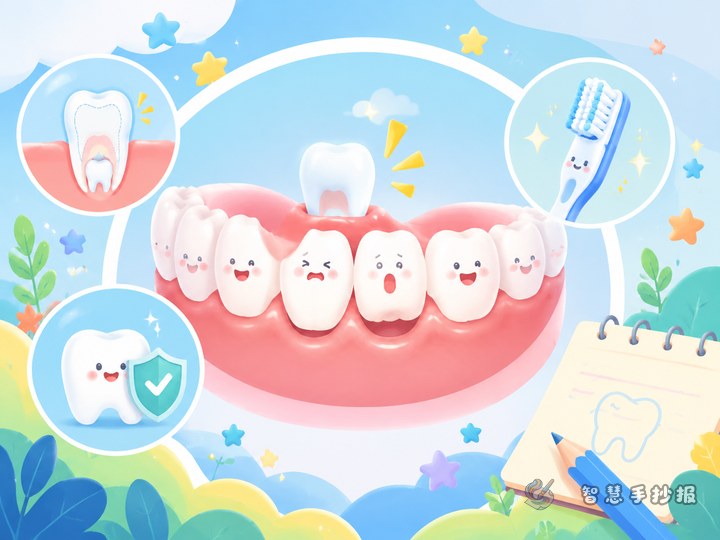
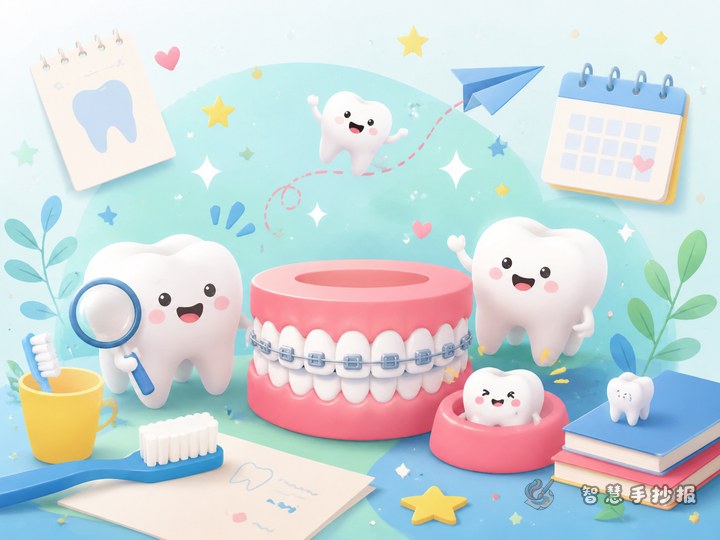
“Does orthodontic treatment hurt?” is a question many children ask before or after getting braces. Instead of filling the poster with medical terms, build it around three ideas: understanding the feeling, caring for the teeth, and staying calm. Explain that temporary soreness or tightness can happen, while reminding readers to tell a parent and the orthodontist when discomfort is serious.
An opening paragraph you can use
Does orthodontic treatment hurt? During treatment, teeth gradually move according to a plan made by an orthodontist. After braces are first fitted or adjusted, some children may notice pressure, soreness, or discomfort when chewing. Everyone feels it differently. Gentle care and good communication can make the adjustment period easier.
Explain discomfort as a three-stop journey
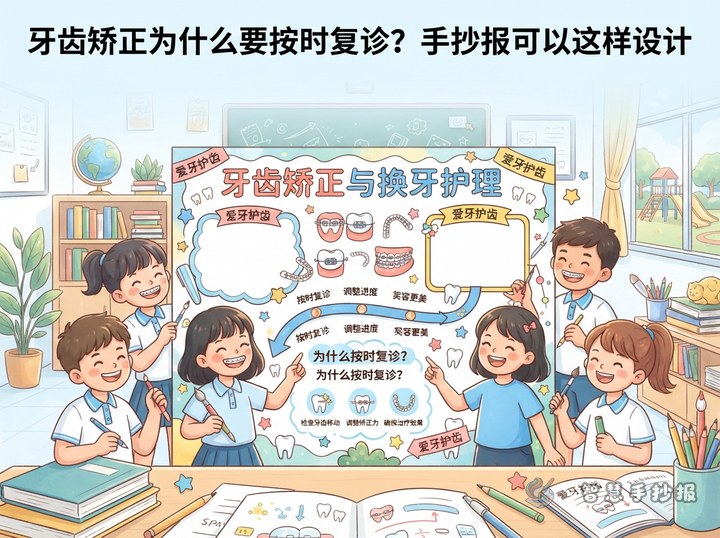
Draw a path across the center of the poster, leading from “first fitting” to “confident smile.” Add one short explanation at each stop so the information is easy to read and illustrate.
- Stop one: the first fitting. Teeth may feel slightly tight or sore. Follow the orthodontist’s instructions for cleaning and food choices.
- Stop two: after an adjustment. Teeth may need time to get used to a new amount of pressure. Tell a parent how you feel and continue gentle care as instructed.
- Stop three: getting used to it. Many children gradually become more comfortable with their braces. Regular cleaning and careful habits help the treatment go smoothly.
Build a calm oral-care station
Make this section look like a set of reminder cards with a toothbrush, rinsing cup, and smiling tooth. Short sentences work well for a primary-school poster.
- Clean gently: Brush carefully every day, paying attention to the brackets, wires, and gumline. Follow the orthodontist’s advice about tools and technique.
- Choose food wisely: When the mouth feels tender, choose softer foods that are easy to chew. Avoid biting very hard or sticky foods that may pull on the braces.
- Protect the braces: Never bend, pull, or remove the appliance on your own. Tell a parent promptly if a bracket becomes loose or a wire pokes the cheek.
- Ask for help: If pain is severe, does not improve, or comes with major swelling or bleeding, contact a parent and the orthodontist instead of simply trying to endure it.
Draw the layout as a smile pathway
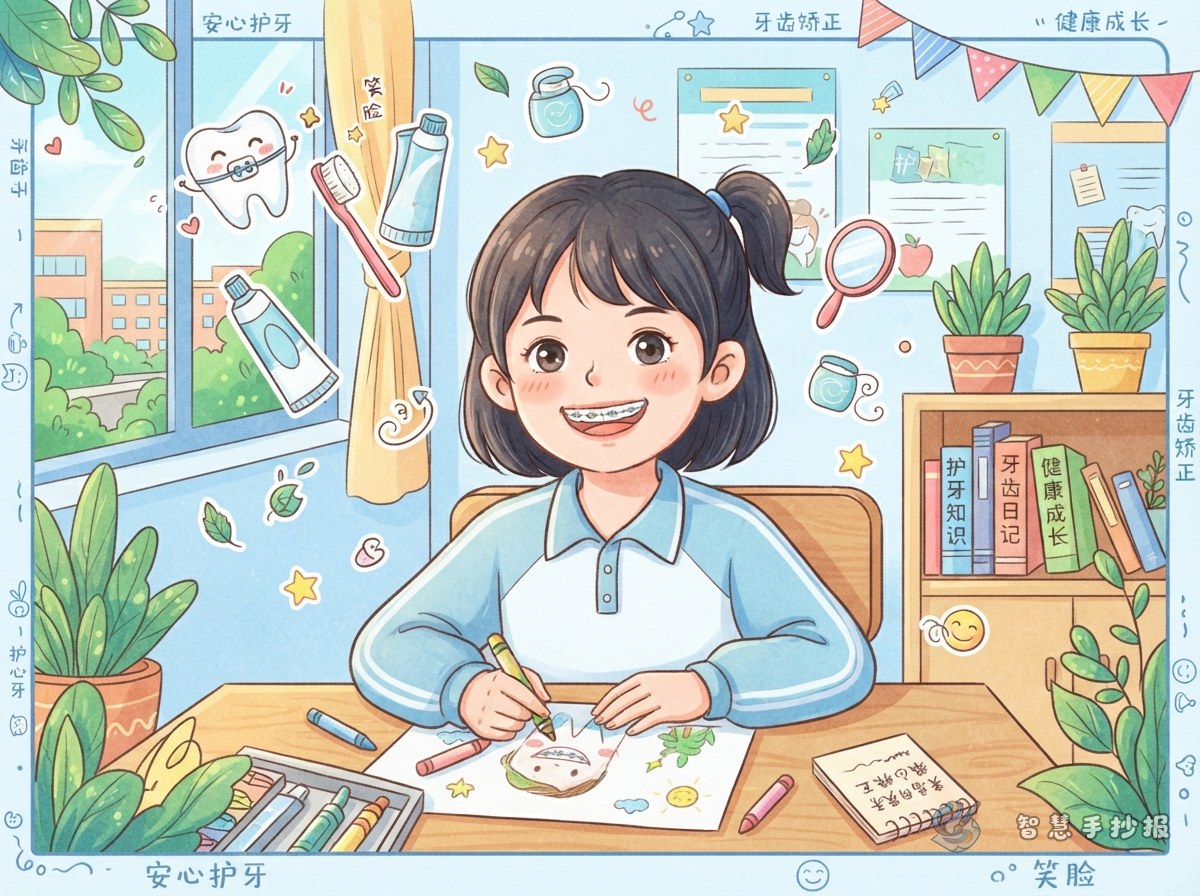
Write “Does orthodontic treatment hurt?” in large letters at the top and draw a small tooth wearing braces beside it. Place the three-stop journey on the left, connected by arrows from first fitting to adjustment and adaptation. On the right, add a “Calm Care Station” with icons for a toothbrush, soft food, and a help bell. Leave a “My Care Check-In” area at the bottom for goals such as brushing morning and night, following instructions, and sharing discomfort. Light blue, mint green, and warm yellow can create a clean, friendly mood.
Make a three-minute final check
- Make sure the title answers the question about possible discomfort in clear language.
- Check that the care tips cover cleaning, food, appliance protection, and asking for help.
- Leave enough space between drawings and sections, and highlight the most important sentences with colored borders.
Once the copy and sketch are ready, open the 智慧手抄报 WeChat mini program to arrange the sections and refine the design of this reassuring oral-care poster.