Decide What the Poster Should Say First
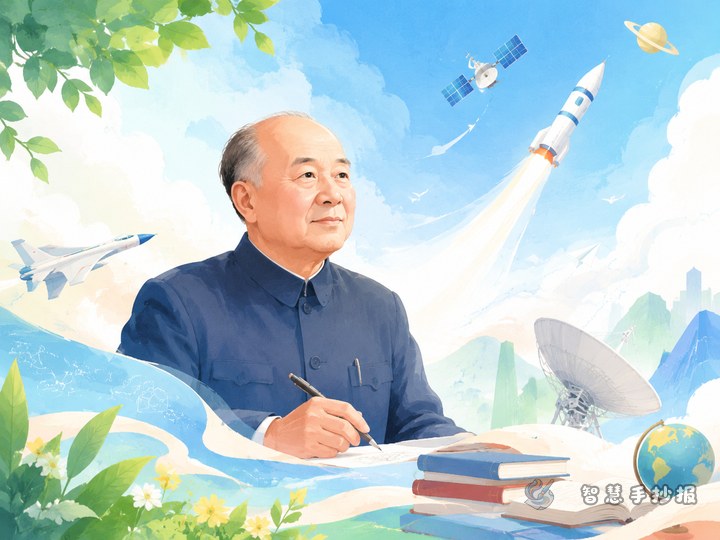
Zhou Enlai's boyhood answer, 'Study for the rise of China,' gives this handwritten newspaper a clear heart. The poster should not only tell a famous story; it should also show that reading can connect to a personal goal. Before drawing, choose a short theme such as 'A young heart, a big goal.' Every column can then support that idea.
Try two lines: one tells the story of young Zhou Enlai, and the other invites the reader to think about their own study goal. This keeps the poster from becoming a plain story copy.
Title and Subtitle Pairings That Fit the Page
Use 'Study for the Rise of China' as the main title. It is short, strong, and easy to letter in large size. A subtitle such as 'The Boyhood Story of Zhou Enlai' or 'My Reading Goal' can sit below it in a smaller banner.
- Main title: Study for the Rise of China
- Subtitle: The Boyhood Story of Zhou Enlai
- Corner phrase: A young mind, a bright future
Story Pieces and Lines You Can Copy Neatly
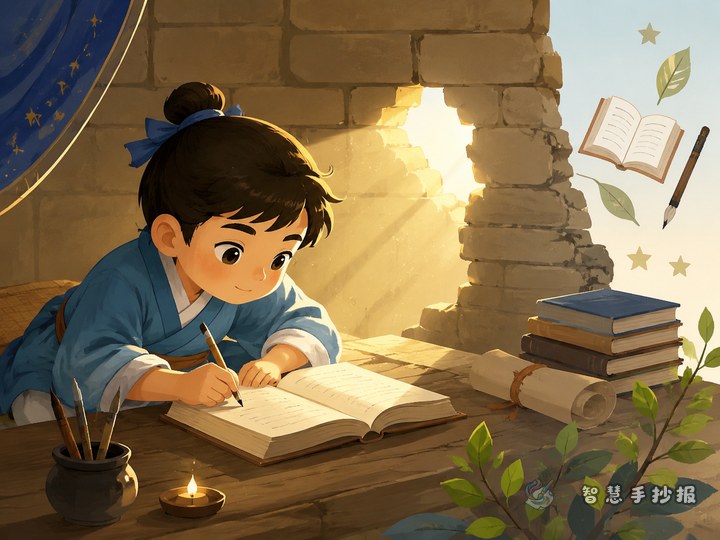
Keep the story brief. You can write: When Zhou Enlai was a boy, his teacher asked the class why they studied. Some students answered for money or position. Zhou Enlai answered seriously, 'Study for the rise of China.' His answer surprised the teacher and showed his early ambition.
After the story, add a short thought: 'Reading is not only for myself; it can also help make my country better.' If space allows, add a small box called 'Why do I study?' for one or two personal answers.
Four Columns That Keep the Layout Balanced
Divide the page into four clear blocks, each with a small heading:
- Quick profile: Write Zhou Enlai's name and his boyhood study attitude.
- Classroom story: Explain the teacher's question and Zhou Enlai's answer in three to five sentences.
- Quote corner: Copy 'Study for the rise of China' and add your own study motto without making up quotes.
- My goal: Write one reading plan for this term, such as reading for twenty minutes a day.
Color, Lettering, and White Space
A role-model poster looks best with fresh, respectful colors. Try deep blue or Chinese red as the main color, with warm yellow and light gray as accents. Do not fill every corner. Leave a little space around the title and use thin lines, small books, pencils, or stars to separate columns.
Keep drawings simple so they do not crowd the text. A small open book with a star, or a window opening to the sky, can echo the idea of reading and looking at the world. Write important sentences in darker ink or place them vertically.
A Simple Order and a Final Check
Lightly block the page in pencil first, then letter the main title and subtitle. Fill in the profile and story next, and finish with the quote and personal goal. Before you stop, check three things: Can the title be seen at a glance? Is the story easy to understand? Is there enough white space? If you want ready-made borders or a cleaner layout, you can continue in the Smart Handwritten Newspaper WeChat mini program.