A fresh angle can make the project stand out
When students think of an energy-saving and green living handwritten paper, they often start with saving water or electricity. But a theme about reusing old items also fits very well. When we reuse something, we reduce the need for new materials, production, packaging, and transport, which supports a greener lifestyle.
If you want the work to feel different, you can use a title such as “Old Items, New Value” or “Reuse for a Greener Life.” It is easy to understand and simple to illustrate.
Four sections you can place on the page
Creative reuse ideas
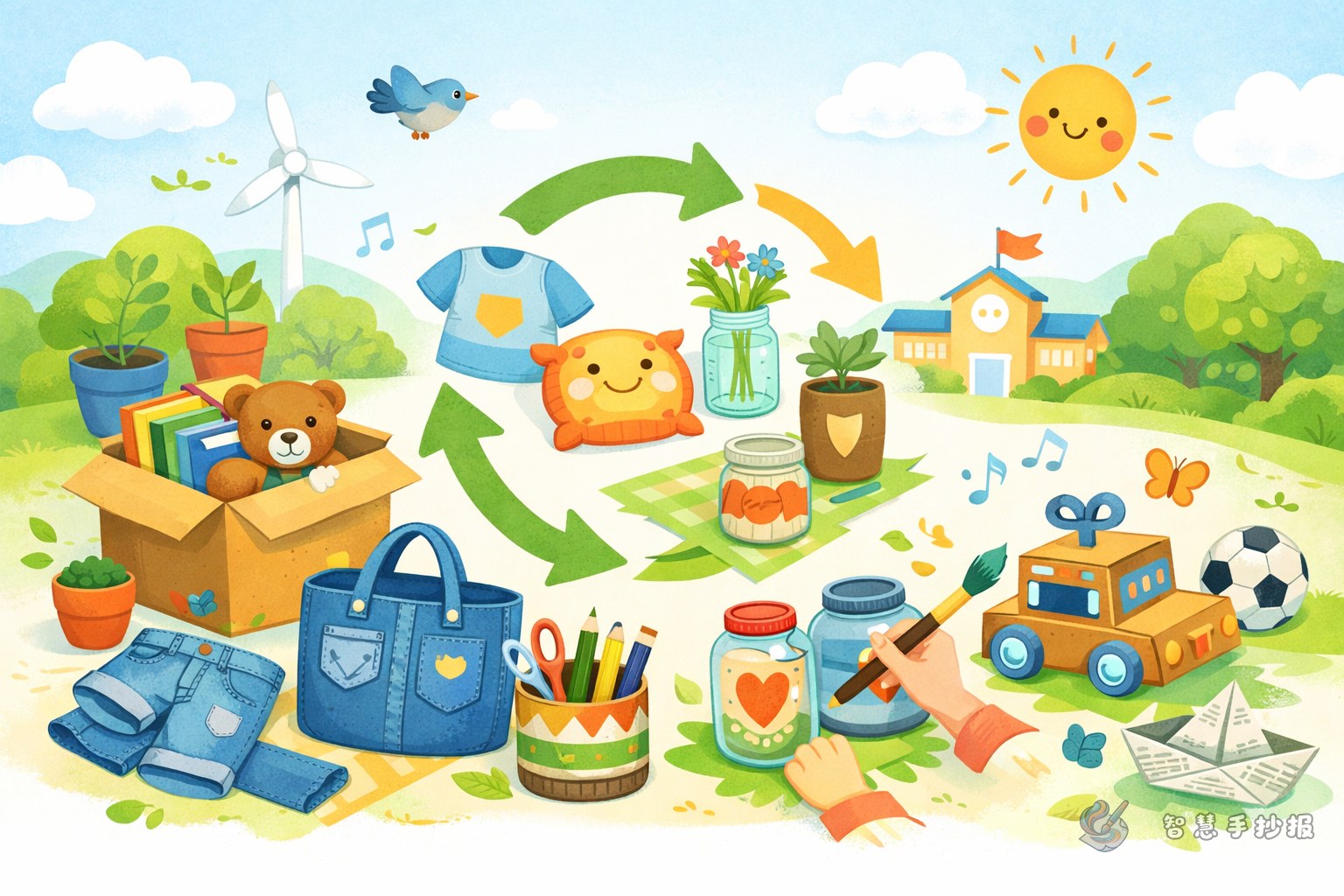
- Turn old cardboard boxes into storage bins for books or stationery.
- Wash glass bottles and use them as flower vases or pen holders.
- Make cleaning cloths or fabric bags from old clothes.
- Bind one-sided paper into a draft notebook.
Green habits I can do
- Bring my own cup and use fewer disposable cups.
- Carry a reusable shopping bag.
- Turn off electrical devices when not in use.
- Switch off lights whenever I leave a room.
Short eco slogans
- Reuse old things, care for the Earth.
- Save a little energy, add a little green.
- Start with small actions for a lower-carbon life.
- Waste less today for a better tomorrow.
My own action plan
Students can write in the first person, for example: I will collect used paper for math practice, make a small plant pot from an old bottle, and remind my family to avoid disposable products. This makes the handwritten paper feel personal and real.
How to arrange the layout clearly
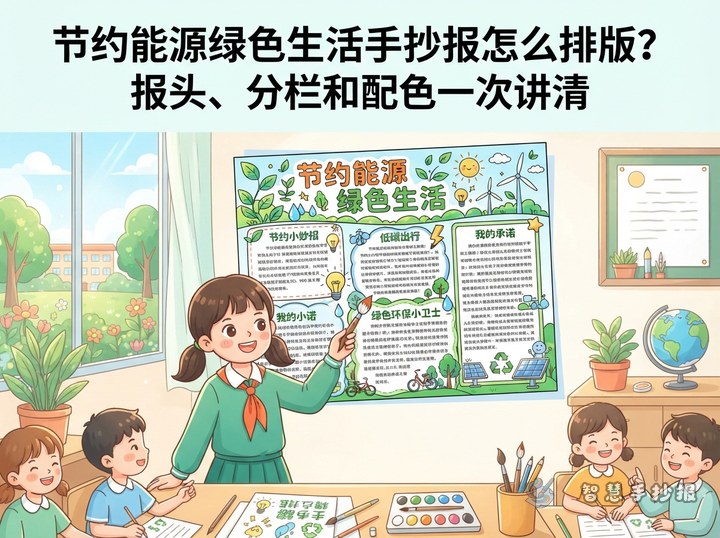
A good choice is a center title with four surrounding sections. Put the main title in the middle and place reuse ideas, green actions, eco slogans, and personal plans around it. If the paper is larger, add a bottom strip for a daily reuse checklist.
For decoration, draw recycling arrows, leaves, boxes, bottles, or small trees. Green can be the main color, with blue and light orange as accents to keep the page bright and clean.
If you do not want too much text, keep it simple
Each section only needs three or four short sentences. A strong handwritten paper is not about writing the most words. It is about having a clear theme, organized sections, and a good balance of text and drawings.
- Make the title bold and easy to see.
- Keep paragraphs short for neat copying.
- Use everyday examples instead of empty statements.
- Add one small drawing to each section.
Easy drawing ideas for younger students
If you are not sure what to draw, choose common objects. You can show a box becoming a storage bin, a plastic bottle becoming a flower pot, or an old shirt becoming a shopping bag. These pictures are easy to draw and directly explain the idea of reuse.
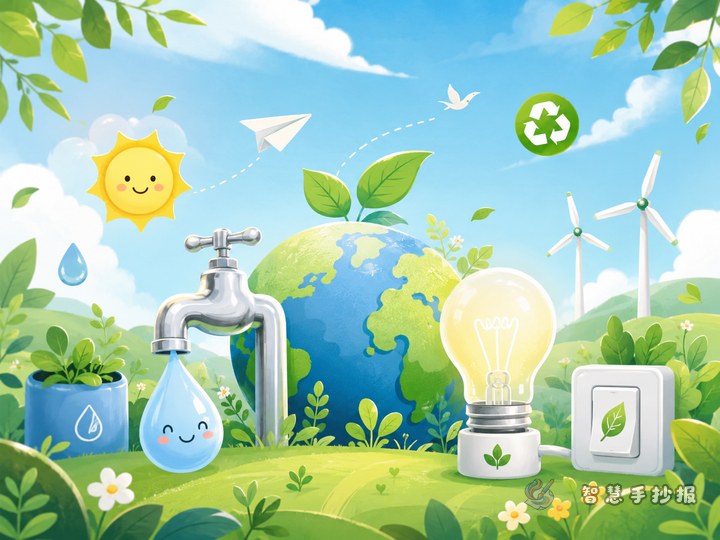
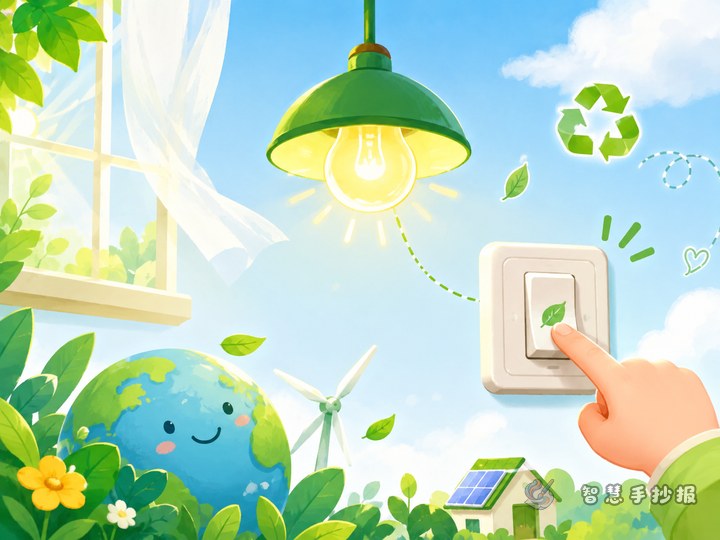
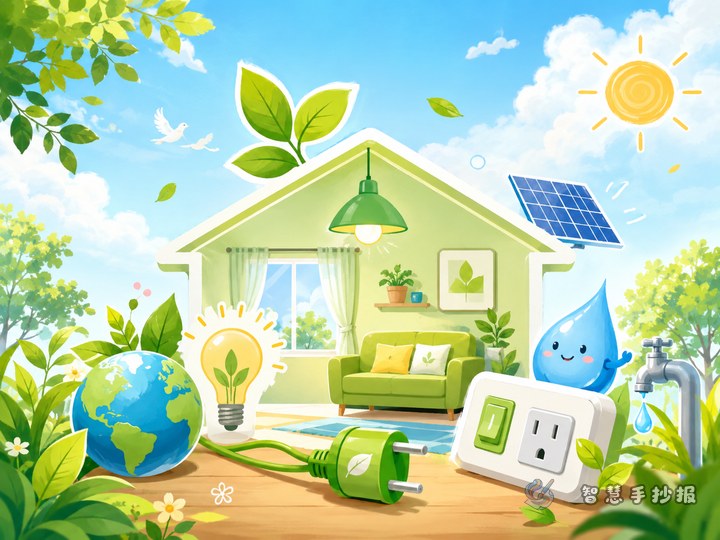
You can also add a smiling Earth, a light bulb, a recycling sign, or the sun to make the page more lively. Finish the text first, then add decorations to empty spaces so the page does not become crowded.
How to improve the work after the first draft
After finishing, check three things: whether the page clearly matches energy-saving and green living, whether it includes real actions, and whether the text and drawings feel balanced. If you want to keep refining the design, you can continue arranging your ideas in the Zhihui Shouchaobao WeChat mini program to explore title styles, section ideas, and better color matching for a more polished result.