A daily-meal angle makes the topic easier to write
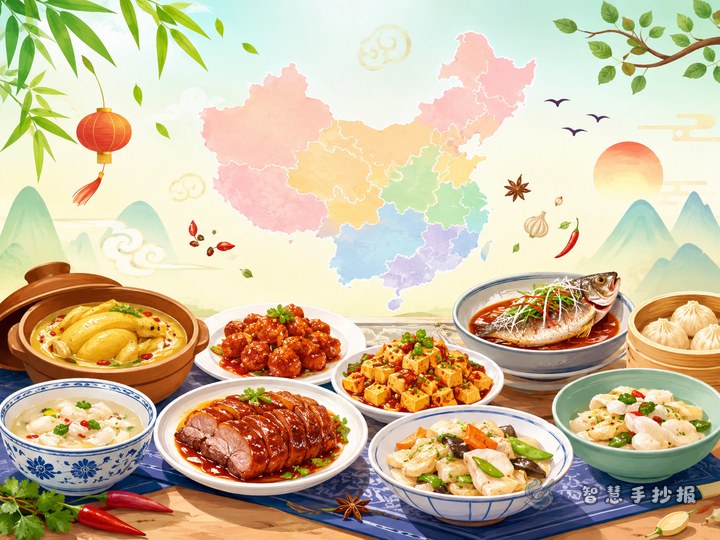
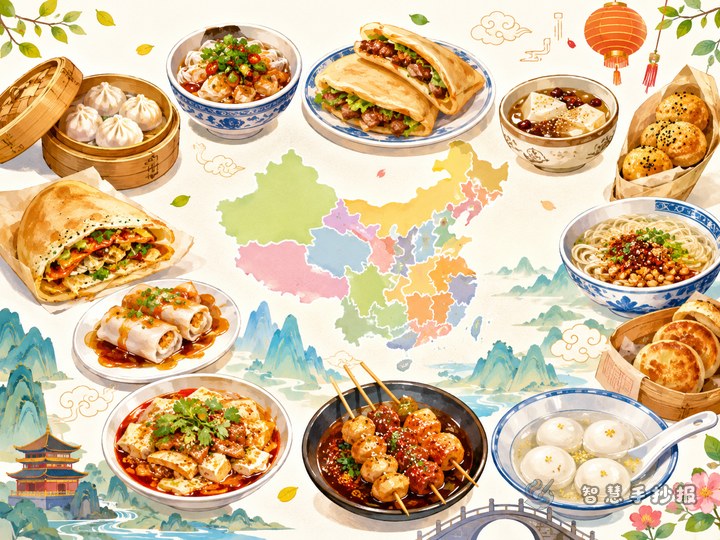
Chinese traditional food culture is a broad subject, so a handwritten newspaper can feel unfocused if the topic is too general. A practical way to organize it is to look at breakfast, lunch, and dinner. This makes the page closer to everyday life and easier for students to understand and present.
The title area can use phrases like “Chinese Food Culture in Three Meals” or “From Breakfast to Dinner: The Taste of Tradition” to keep the theme warm and natural.
Useful sections students can include
Section 1: Traditional breakfast and morning warmth
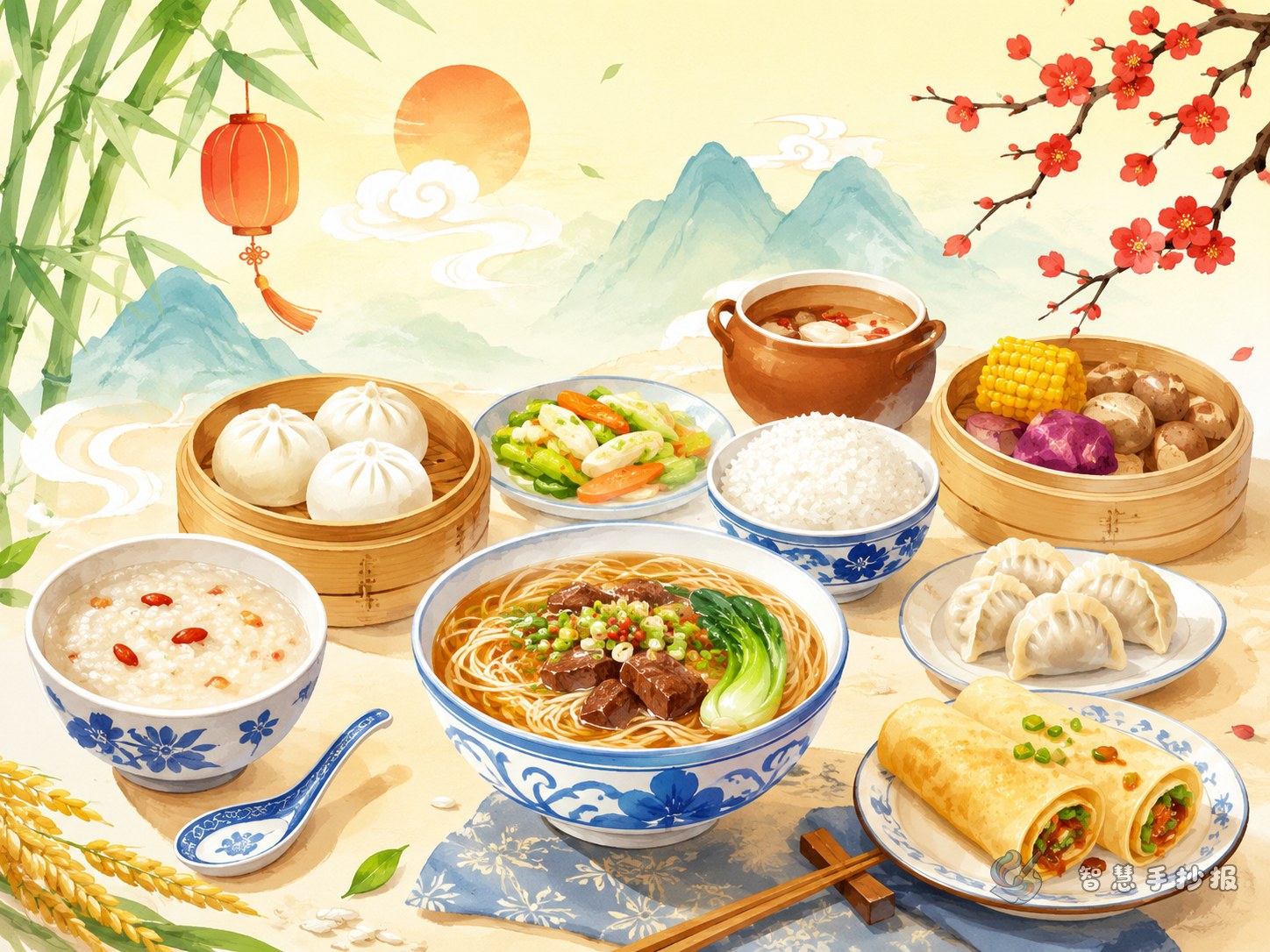
Students can write about porridge, steamed buns, soy milk, noodles, rice noodles, or other common breakfast foods. The key idea is that breakfast in Chinese food culture often feels warm, filling, and practical.
Section 2: Lunch and balanced eating
This part can focus on staple foods, vegetables, soup, and homemade dishes. It is a good place to explain that Chinese meals often value balance, variety, and reasonable food combinations.
Section 3: Dinner and family connection
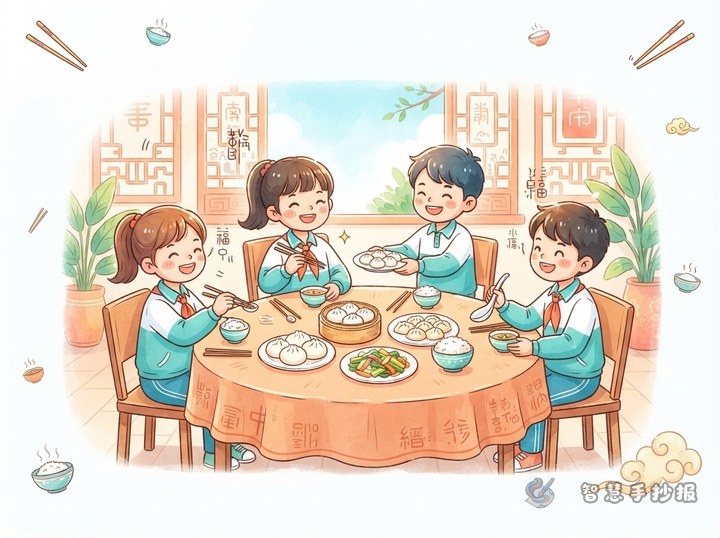
Dinner can highlight family meals, reunion, and shared time at the table. Students may mention dumplings, soup noodles, steamed dishes, or simple home-style meals to show that traditional food also carries emotion and togetherness.
Short cultural notes that fit the page
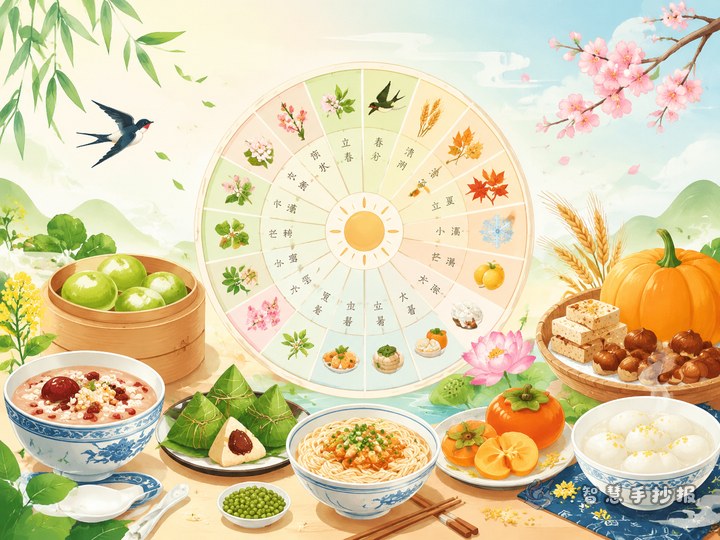
- Eating by the season: choosing food that matches the season is an important traditional idea.
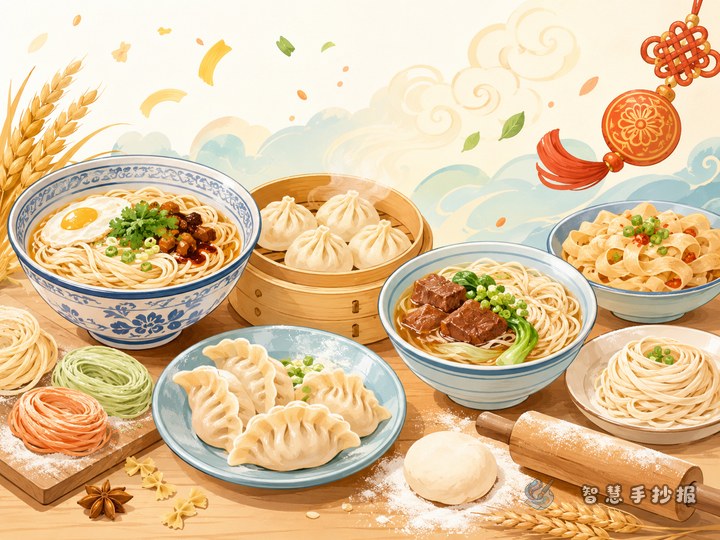
- Different staples in different regions: rice is common in many southern areas, while flour-based foods are often popular in northern areas.
- Table manners matter: respect for elders and polite behavior are also part of food culture.
- Home cooking is meaningful: traditional food is not only delicious, but also tied to family memories.
These short points are ideal for a school handwritten newspaper because they are clear, compact, and easy to decorate around.
A layout idea that looks neat and lively
A breakfast-lunch-dinner timeline layout works especially well for this theme. Put the main title at the top, then divide the page into three clear blocks. Add simple drawings such as bowls, chopsticks, buns, porridge, or vegetables to connect the sections.
- Place breakfast in the upper left with warm morning colors.
- Use the center for lunch content and balanced meal ideas.
- Put dinner and table manners in the lower right for a full-page rhythm.
Soft yellow, orange, light red, and green can make the page feel warm, fresh, and suitable for students.
How to finish the page with a strong ending
The final paragraph can say that Chinese traditional food culture lives in everyday meals. It includes not only delicious dishes, but also health ideas, manners, and family affection. This kind of ending helps the handwritten newspaper feel complete and meaningful.
If students want to improve the page further, adjust the layout, or add more suitable handwritten newspaper material, they can continue exploring ideas in the Zhihui Shouchaobao WeChat mini program.