A clear angle makes the poster stand out
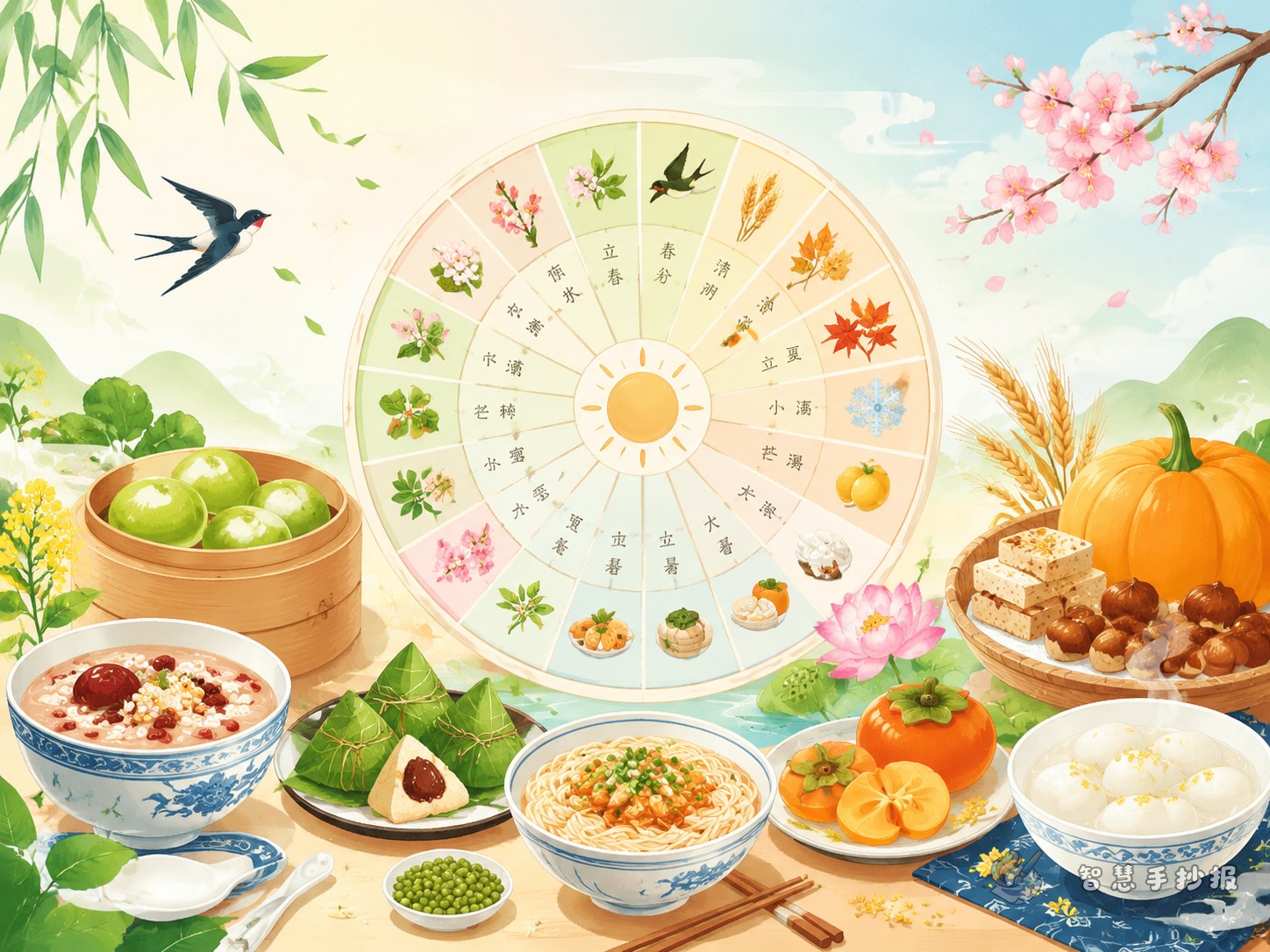
If your assignment is about traditional Chinese food culture, a smart and memorable angle is foods in the twenty-four solar terms. This topic connects food with seasonal life, which makes the handwritten newspaper feel cultural, lively, and easy for students to understand. You do not need to include every solar term. Choosing several well-known examples from the four seasons is enough.
A main title such as “Traditional Foods in the Twenty-Four Solar Terms” or “Tasting China Through the Seasons” works well, with a smaller subtitle about food culture.
Useful sections you can place on the page
Too many sections can make the page crowded, so four or five is a good number. Here are practical options:
- Solar Term Food Cards: name of the solar term, the food, and a short note about it.
- What We Eat in Spring, Summer, Autumn, and Winter: divide the content by seasons.
- Meaning Behind the Food: ideas like reunion, welcoming spring, freshness, or good wishes.
- My Favorite Seasonal Food: a short personal paragraph makes the work feel more natural.
- Healthy Eating Tips: simple advice about eating with the season.
Seasonal food ideas that fit the theme
Spring
- Start of Spring — spring pancakes: they suggest welcoming spring and tasting fresh vegetables.
- Qingming — qingtuan: the green color matches spring and carries a soft traditional feeling.
Summer
- Summer Solstice — noodles: many people know the saying about dumplings in winter and noodles in summer.
- Great Heat — cooling foods: mung bean soup or lotus seed soup can show seasonal wisdom.
Autumn
- Autumn Equinox — seasonal fruits: pears, pomegranates, or persimmons can represent harvest time.
- Cold Dew — rich autumn flavors: sesame or peanuts can be used to talk about autumn food traditions.
Winter
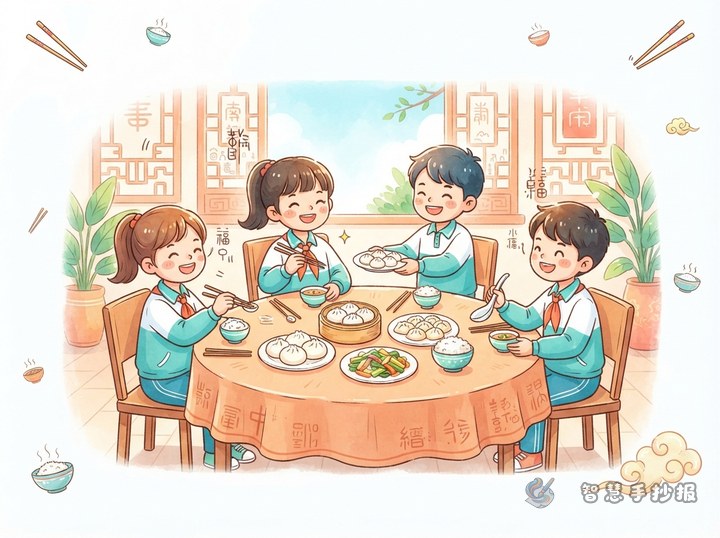
- Winter Solstice — dumplings or tangyuan: a good way to show regional food customs.
- Twelfth Lunar Month — Laba porridge: rich ingredients make it easy to write about reunion and harvest.
Write in a poster-friendly style
Handwritten newspaper text should be short, clear, and easy to copy. Two or three sentences for each food are enough. For example:
“During Qingming, many people eat qingtuan. Its green color matches spring, and it is both a traditional snack and a symbol of the season.”
“Winter Solstice is an important seasonal point. In many northern places, people eat dumplings, while some southern areas prefer tangyuan. Different foods show different customs, but both express warmth and reunion.”
You can also add one line of personal reflection, such as “I think seasonal foods are not only delicious, but also a way to remember how people lived with nature.”
Page layout ideas that match the topic
This theme looks especially good when the layout shows the passing of time. Try one of these ideas:
- Four-season blocks: divide the page into spring, summer, autumn, and winter.
- Food timeline: place the solar terms from left to right or top to bottom.
- Round center design: put the title in the middle and arrange food notes around it like dishes on a table.
For decoration, use simple elements such as wheat, bowls, chopsticks, steamers, leaves, or small dumplings. Soft green, blue, orange, and warm red can help show seasonal change.
A short ending to complete the work
Your ending only needs to connect food with culture and daily life. For example:
“Foods in the twenty-four solar terms show how Chinese people live with the changing seasons. Traditional food is not only about taste, but also about culture and shared memory.”
If you want to keep improving your title style, layout, and decorations, you can continue your work in the Zhihui Shouchaobao WeChat mini program.