Start with a real question: Does weekend catch-up sleep help?
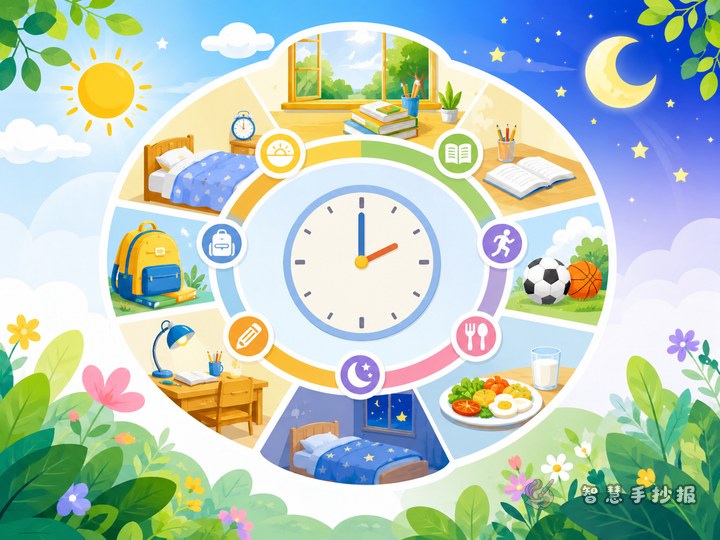
This handwritten newspaper topic works well because it begins with something students genuinely wonder about: if they sleep too little on school days, can they simply sleep longer on weekends to make up for it? A question-based title makes the page feel practical and engaging instead of too broad. You can decorate the heading with a moon, a pillow, a clock, and a small sun to match the sleep theme.
In the opening paragraph, explain that not getting enough sleep can affect energy, attention, and daily activities. Then lead into the key idea: catching up on sleep may help a little, but a regular sleep schedule matters more.
Useful sections for the handwritten newspaper
Section 1: Why weekend catch-up sleep is not enough
- Staying up late on weekdays can disturb the body clock.
- Sleeping in too much on weekends can make it harder to sleep on time later.
- Extra sleep may ease tiredness, but it does not replace healthy daily sleep habits.
- A steady bedtime and wake-up time is more helpful in the long run.
Section 2: Benefits of a regular sleep routine
- Better focus and energy during class.
- Less stress in the morning.
- More stable mood throughout the day.
- Falling asleep becomes easier when the body follows a pattern.
Section 3: My sleep self-check corner
Add a small checklist area with prompts such as: What time did I go to bed this week? What time did I wake up on weekends? Did I use screens before bed? Was it hard to get up in the morning? This makes the poster more interactive and personal.
Ready-to-use text materials
Text 1: Sleeping longer on weekends may help us feel better for a short time, but if we stay up late again and again, our body rhythm can still become irregular. Good sleep does not depend on one long sleep. It depends on sleeping and waking at about the same time every day.
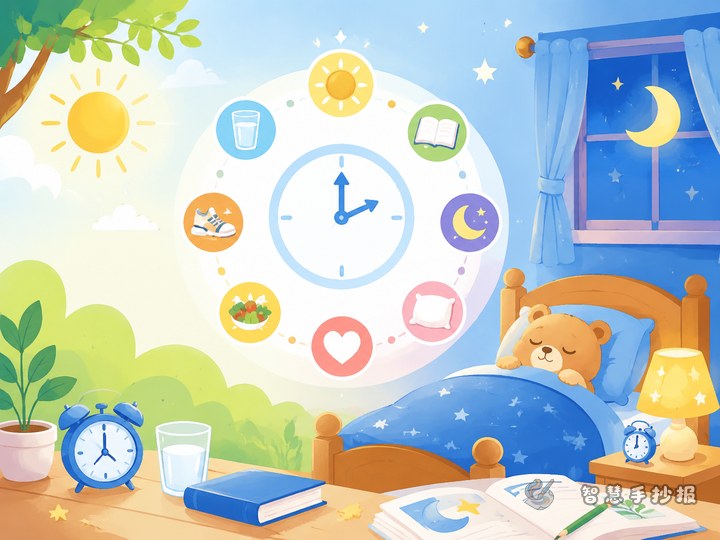
Text 2: A healthy sleep routine is like an invisible alarm clock. It reminds us when to rest and helps us wake up with more energy. Regular sleep habits can support both learning and everyday life.
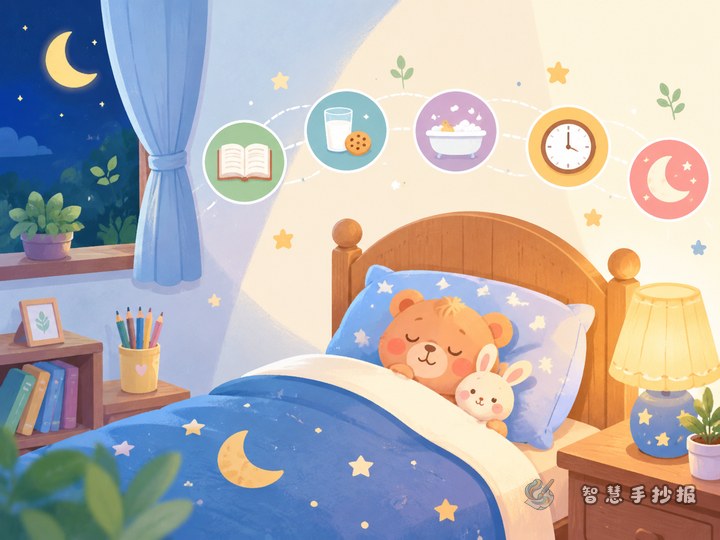
Text 3: Using fewer screens before bed, staying calm at night, and keeping a simple bedtime routine are all helpful habits. Building good habits is more useful than only trying to catch up on sleep later.
Try a comparison-style layout
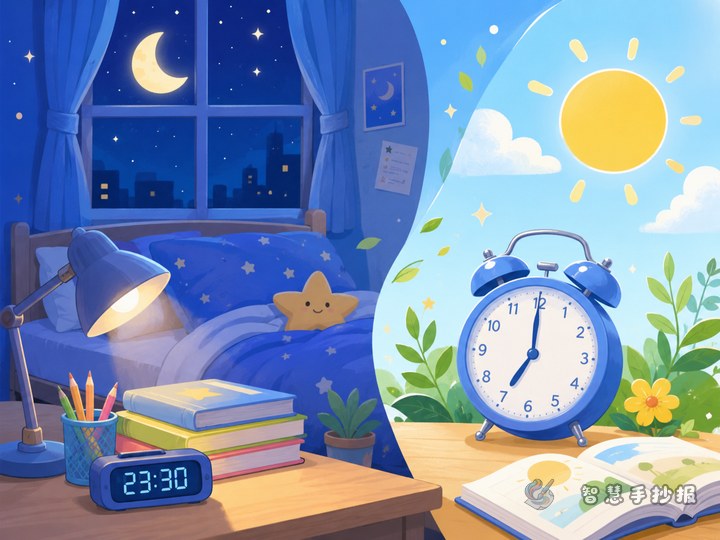
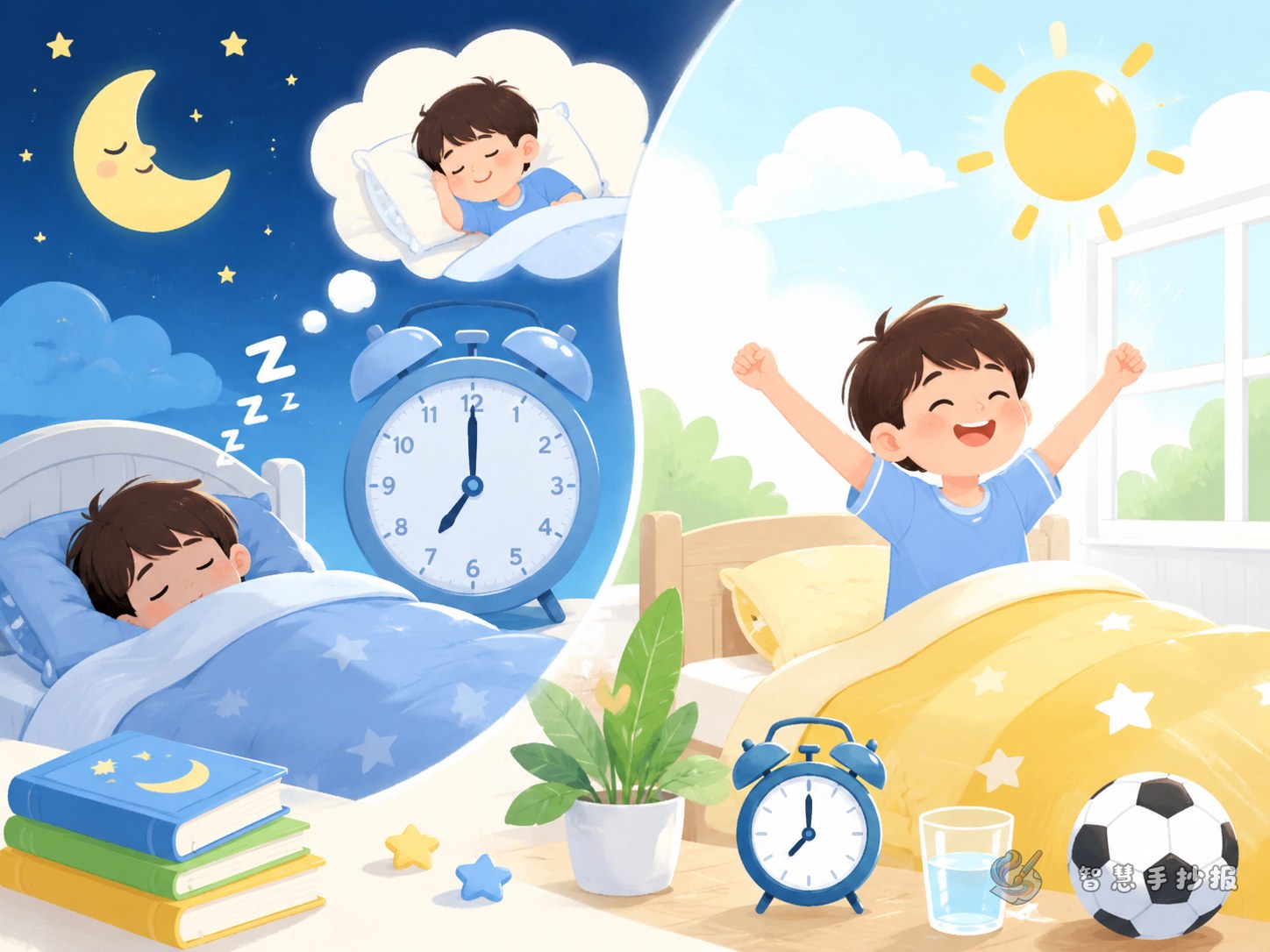
This topic is perfect for a side-by-side design. On the left, show irregular habits such as late bedtime, sleeping in, and feeling sleepy the next day. On the right, show regular habits such as going to bed on time, waking up on time, and feeling energetic during the day. Place the main question in the center for a clear visual focus.
Soft blue, light purple, and pale yellow work well together for a calm sleep theme. Use simple title boxes shaped like clouds, moons, or clocks. The key is not heavy decoration but clear sections and neat handwriting.
End with a practical message
The closing part can encourage students to make small changes, such as adjusting bedtime little by little and not relying on weekend sleep alone. That gives the handwritten newspaper a clear lesson and a positive ending.
If you want to keep improving your page title, section arrangement, and final layout, you can continue creating with the Zhihui Shouchao Bao WeChat mini program.