Build the main idea around “grain filling, fields getting busy”
Xiaoman is a great topic for a farming-culture handwritten newspaper because it has a clear seasonal image. A good central idea is “During Xiaoman, grains begin to fill and farm work becomes busy”. This helps students explain both the meaning of the solar term and the farming rhythm behind it.
You can open with a short introduction: Xiaoman usually arrives in late May. It means summer crops are starting to become full, but they are not fully ripe yet. This makes it an important time to observe field growth and learn about traditional farming life.
What to write on the page
1. Basic solar term facts
- Xiaoman is the second solar term of summer.
- “Man” means the grains are becoming full, not fully mature.
- At this time, temperatures rise, rainfall increases, and crops enter a key growth stage.
2. Farming culture notes
- Field care includes watering, weeding, checking seedlings, and protecting crops.
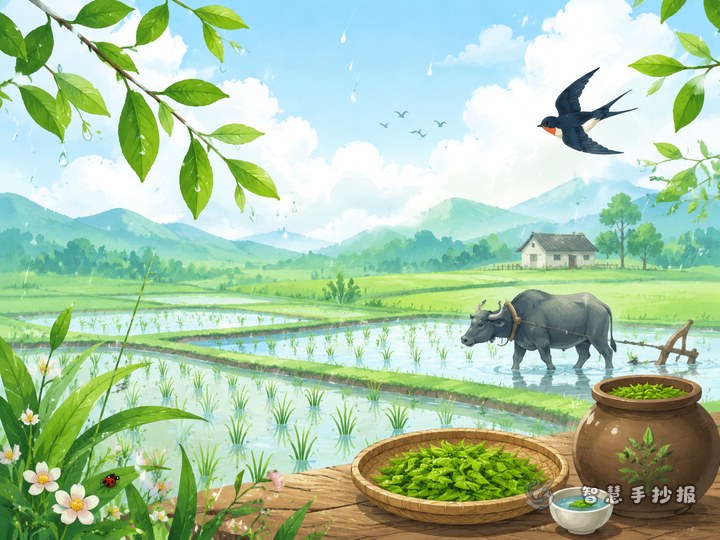
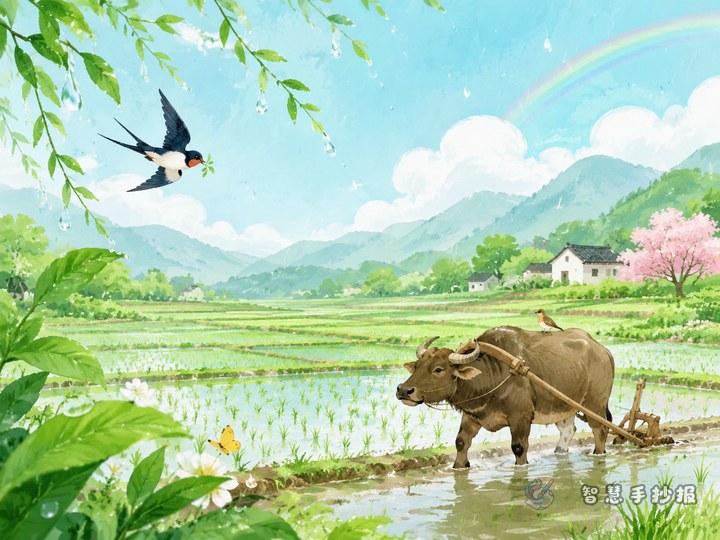
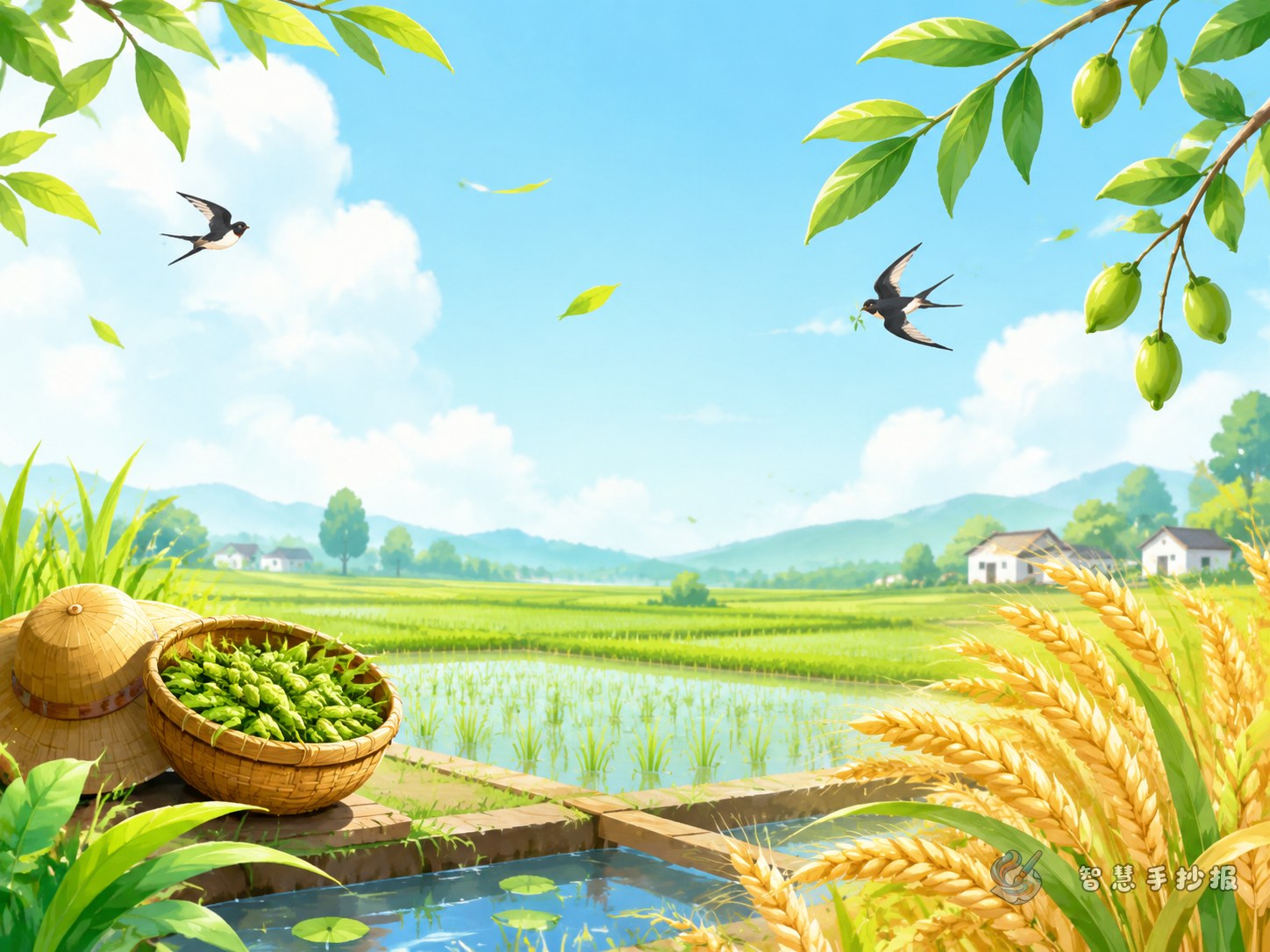
- Wheat heads are filling, rapeseed harvest is ending, and paddy field work becomes active.
- Farmers follow the season and arrange work according to the solar term.
3. Short lines that fit well
- Xiaoman means hope is growing in the fields.
- Grains fill slowly, and hard work fills the season.
- Follow the solar terms, value labor, and cherish food.
- From one seed to one harvest, every grain comes from effort.
Easy section ideas for students
To make the page rich but still neat, you can use four small sections.
- What is Xiaoman? Write the date, meaning, and weather features.
- Farm Work This Season Explain what farmers do around Xiaoman.
- Folk Sayings Corner Add two or three sayings about Xiaoman and a simple explanation.
- My Thoughts on Labor Write a few lines about respecting farmers and saving food.
This combination gives the newspaper knowledge, culture, and personal reflection at the same time.
How to choose sayings and text materials
Xiaoman works especially well with traditional farming sayings because they make the page feel more connected to rural life. Choose short and easy lines instead of using too many. It is best to focus on weather, crop growth, and seizing the right farming time.
- Xiaoman reminds people to watch the fields carefully.
- When the grains are filling, farm work cannot slow down.
- Solar terms guide the seasons, and seasons guide the work.
It is helpful to add one sentence of explanation after each saying. For example: “This shows that Xiaoman is a key time for crop growth, so field management is very important.” That makes the handwritten newspaper clearer and more suitable for school use.
Layout and drawing tips
Xiaoman is a good match for fresh colors such as light green, wheat yellow, and sky blue. Place the title at the top center and decorate it with wheat ears, raindrops, sunshine, or small field borders. A practical layout is top title + two side columns + bottom reflection area.
- The left side can hold solar term facts and sayings.
- The right side can show farm work and crop changes.
- The bottom can be used for a short reflection or a “save food” message.
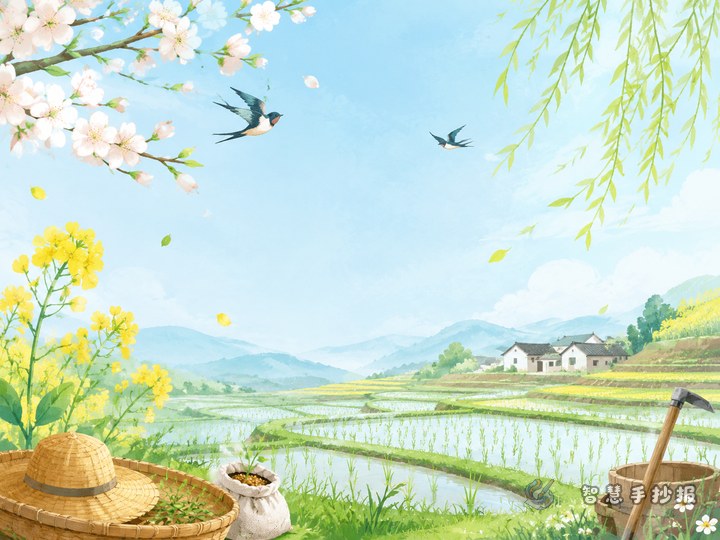
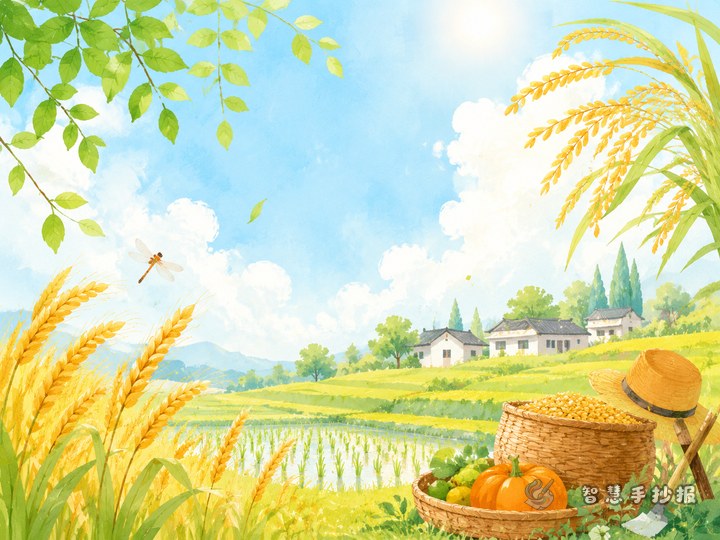
The drawings do not need to be complicated. Wheat, rice seedlings, hats, tools, and small water channels are enough to create a farming theme. If you want to keep improving the layout and finish the page more smoothly, you can continue organizing ideas in the Zhihui Shouchaobao WeChat mini program.
A simple ending that feels complete
Instead of ending with only a slogan, write a short conclusion. For example: Xiaoman shows us the hope of growing crops and teaches us that farming culture is built on seasonal wisdom, hard work, and respect for food. Through this handwritten newspaper, we not only learn about a solar term, but also understand the value of labor more deeply.