Start with one clear theme
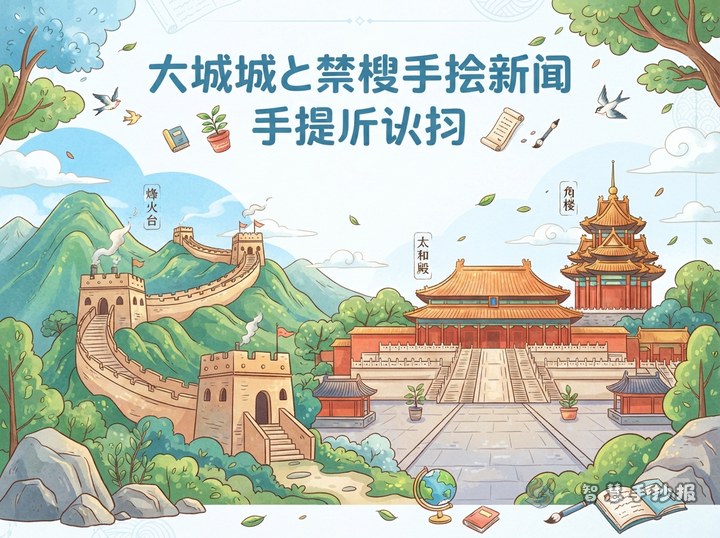
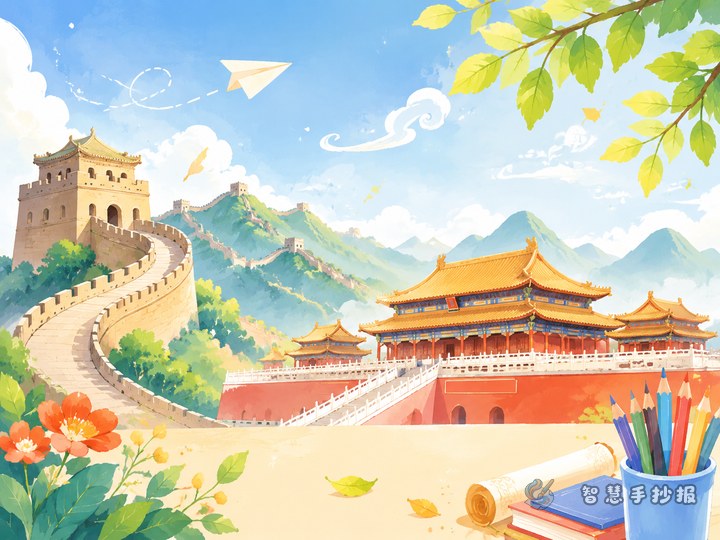
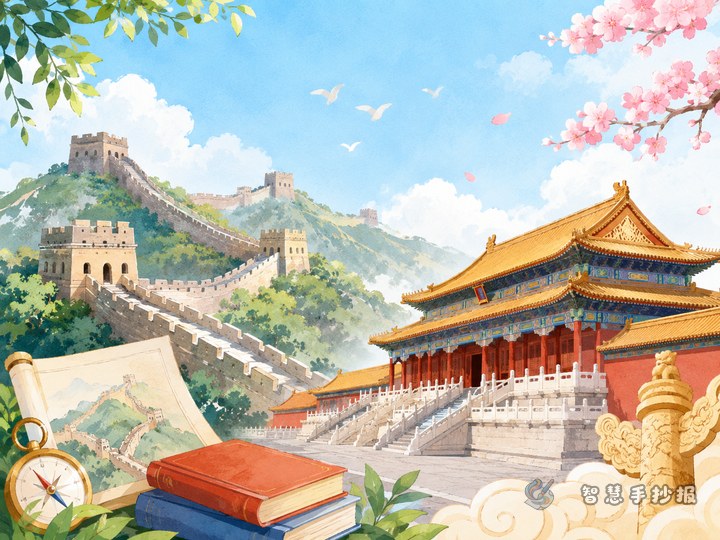
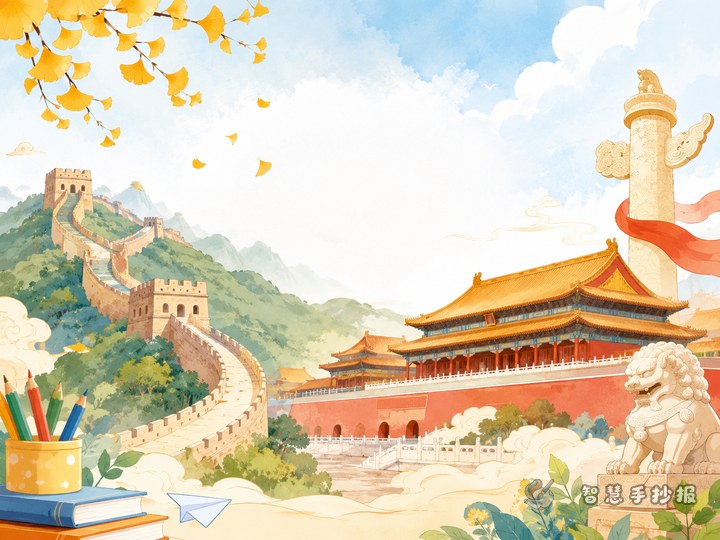
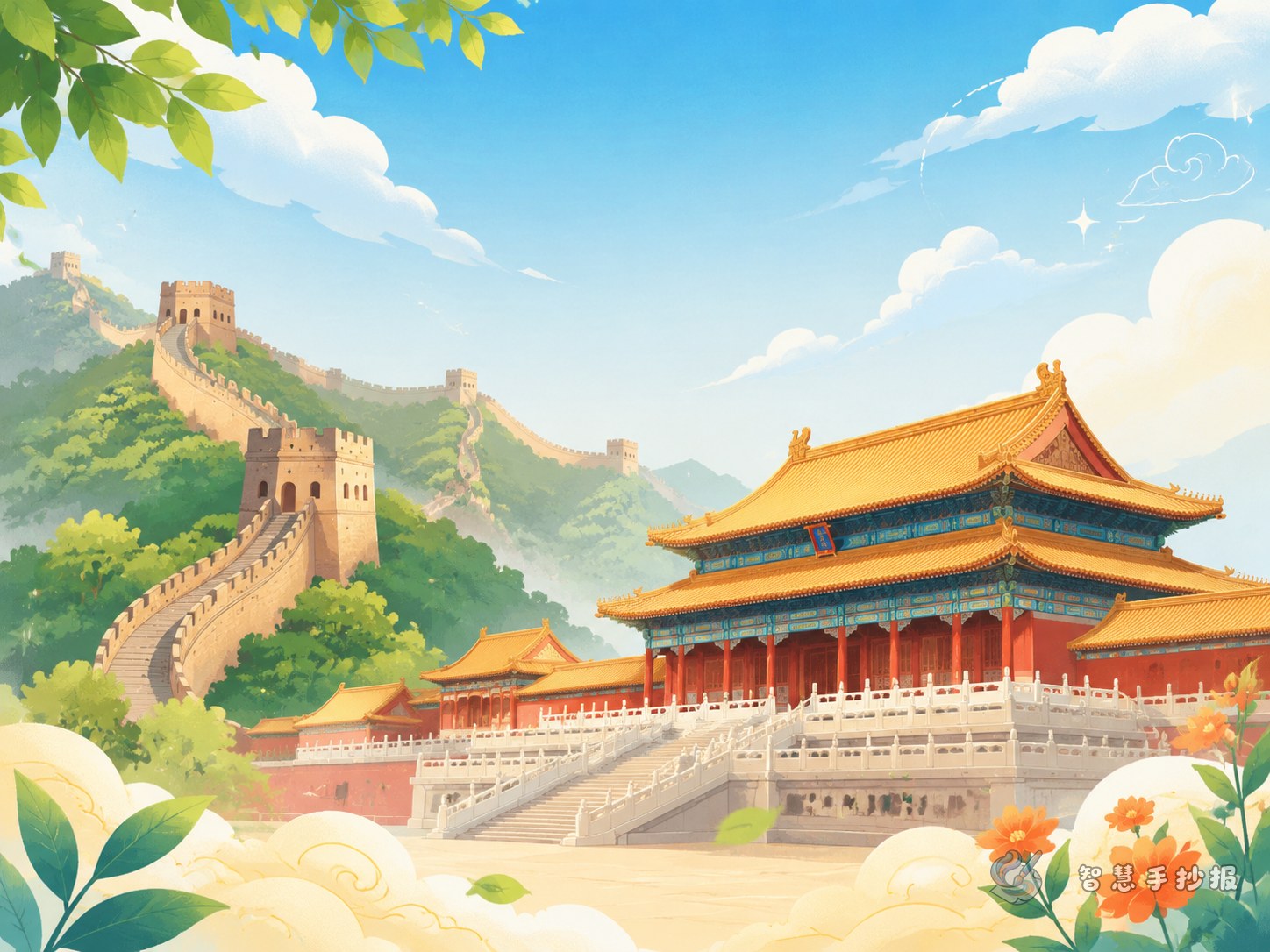
If you want to place the Great Wall and the Forbidden City on the same handwritten newspaper page, the first step is to choose one main theme. Good options include "A Journey Through Beijing Landmarks", "The Great Wall and the Forbidden City", or "Historic Beijing in One Page". A strong main theme helps the whole page look connected instead of split into two unrelated parts.
For school assignments, a simple title is usually best. For display work, you can make the title more vivid and cultural. Put the title at the top center, then add small decorative lines inspired by bricks, palace roofs, clouds, or old city patterns.
How to arrange both landmarks on one page
Two practical layouts work especially well:
- Left and right layout: Put the Great Wall on one side and the Forbidden City on the other, with the main title or a Beijing symbol in the middle.
- Top and bottom layout: Place the Great Wall in the upper half and the Forbidden City in the lower half, which works nicely if you want larger drawings.
To make the page feel unified, add a small connecting section in the center, such as “Beijing Impressions,” “Historic Capital,” or “Places I Want to Visit.” This creates a smoother overall design.
Layout tips
- For the Great Wall, colors like brick red, earthy yellow, and gray work well.
- For the Forbidden City, try deep red, golden yellow, and warm brown.
- Keep borders simple so the title and text stay easy to read.
Ready-to-use content ideas
Section 1: The Great Wall
The Great Wall is one of the greatest ancient defense projects in China. It has a long history and stretches across mountains like a giant dragon. It shows the hard work and wisdom of the Chinese people and remains a famous historic site today.
Section 2: The Forbidden City
The Forbidden City is located in the center of Beijing and was the imperial palace of the Ming and Qing dynasties. Its red walls, yellow roofs, and grand layout make it one of the most impressive examples of traditional Chinese architecture.
Section 3: Why put them together
The Great Wall can represent strength, protection, and perseverance. The Forbidden City can represent history, culture, and architectural beauty. Putting them together makes the newspaper richer and helps show the cultural charm of Beijing.
Section 4: My thoughts
- The Great Wall reminds me of courage and determination.
- The Forbidden City makes me feel the weight of history.
- Beijing’s famous sites are like an open history book.
Extra details that make the page better
To make your work more lively, you can also add short extra materials:
- Poetic lines: Add short lines about mountains, ancient cities, or history.
- Fact cards: Write one or two simple facts about each site.
- Visit wishes: Include lines like “If I could visit the Great Wall” or “If I could walk into the Forbidden City.”
Do not overload the page. Short and clear content usually looks better than too much text.
How to make it feel more like a Beijing culture project
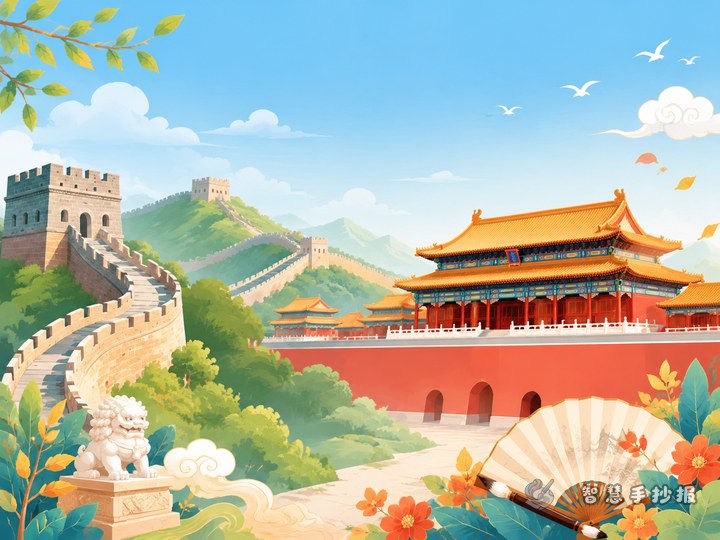
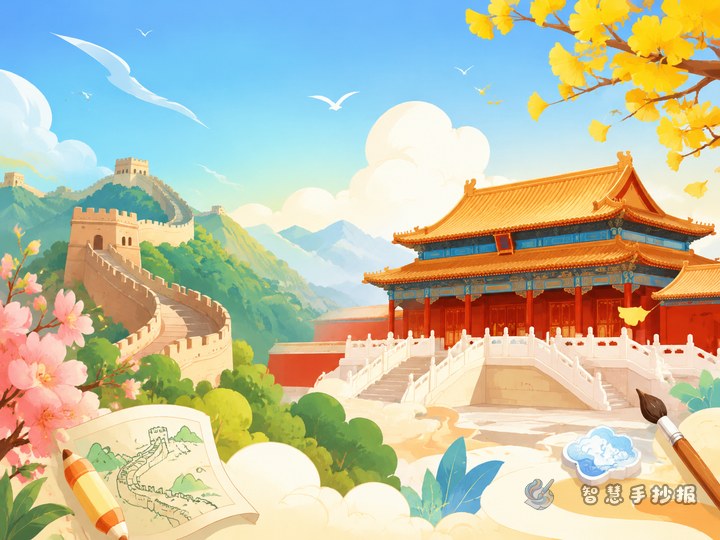
You can add small Beijing-themed decorations such as palace lanterns, cloud patterns, city wall bricks, ginkgo leaves, or simple stone lion sketches. These details do not need to be complicated. Just a few carefully placed elements can strengthen the theme.
Use a larger artistic style for the main title and neat smaller writing for subtitles and body text. Breaking the content into short sections will also make the page easier to read.
Simple making steps for students
- Choose the main theme first.
- Sketch the Great Wall area, the Forbidden City area, and the middle connection area.
- Keep each section to two to four sentences.
- Write first, then color the page.
- Check whether the title stands out and the content feels balanced.
If you already have your topic and text but still want a cleaner layout, you can continue making your work in the Zhihui Handwritten Newspaper WeChat mini program and improve the design more easily.