Decide the main focus before you start
A Bian Que handwritten newspaper does not need too many scattered facts. The best approach is to focus on an ancient physician and a traditional medicine story. One part introduces Bian Que as a historical figure, and another part uses a well-known story to make the page more engaging.
If the page space is limited, choose one clear theme such as “Getting to Know Bian Que” or “Bian Que and Traditional Chinese Medical Wisdom.” A focused topic makes the whole newspaper easier to read.
Four sections that work especially well
Mini profile of Bian Que
Use this section to explain who Bian Que was and why he is remembered as a famous physician. Keep the wording short and student-friendly so the information is easy to copy and understand.
The four diagnostic methods
This part is perfect for a knowledge box. Briefly explain observation, listening and smelling, asking questions, and pulse-taking in simple language. That gives the newspaper both cultural value and educational content.
The story of Bian Que and Duke Huan of Cai
This is the best-known story connected with Bian Que. Summarize how he warned Duke Huan several times about illness, but the warning was ignored until it was too late. It naturally leads to the lesson of noticing health problems early.
What I learned from the story
This section helps the newspaper feel more personal. Students can write about healthy habits, regular sleep, balanced meals, and telling adults when they feel unwell. It connects an ancient story with everyday life.
Ready-to-use text ideas
- Bian Que is remembered as one of the most famous physicians in ancient China.
- Traditional Chinese medicine values careful observation and understanding of the body.
- The four diagnostic methods show the wisdom of early medical thinking.
- The story of Bian Que teaches us not to ignore small health problems.
- Learning about ancient physicians also helps us value our own health today.
These lines can be placed into separate sections or shortened according to grade level and assignment needs.
A layout idea that looks neat but not boring
This topic suits a central title with four corner sections. Put the main title in the middle, then place the profile, knowledge box, story, and reflection around it. This layout keeps the page balanced and easy to follow.
- Write the title inside a scroll or bamboo-slip shape.
- Place the short biography in the upper left.
- Put the four diagnostic methods in the upper right.
- Use the lower half for the classic story and personal takeaway.
- Fill small blank spaces with herbs, cloud lines, or medicine tools.
If arranging everything by hand feels difficult, you can first preview page styles in the Zhihui Shouchaobao WeChat mini program and then choose the one that fits your classwork best.
Colors and decorations that match the theme
Soft beige, light brown, dark green, and ink-black are good main colors. They create a calm traditional feeling and fit a medicine-and-history theme better than bright fluorescent colors.
- Try borders shaped like scrolls, windows, or bamboo pieces.
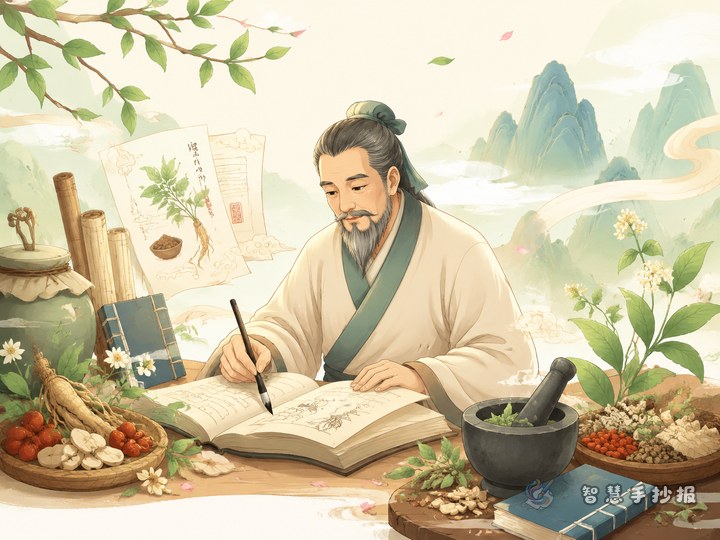
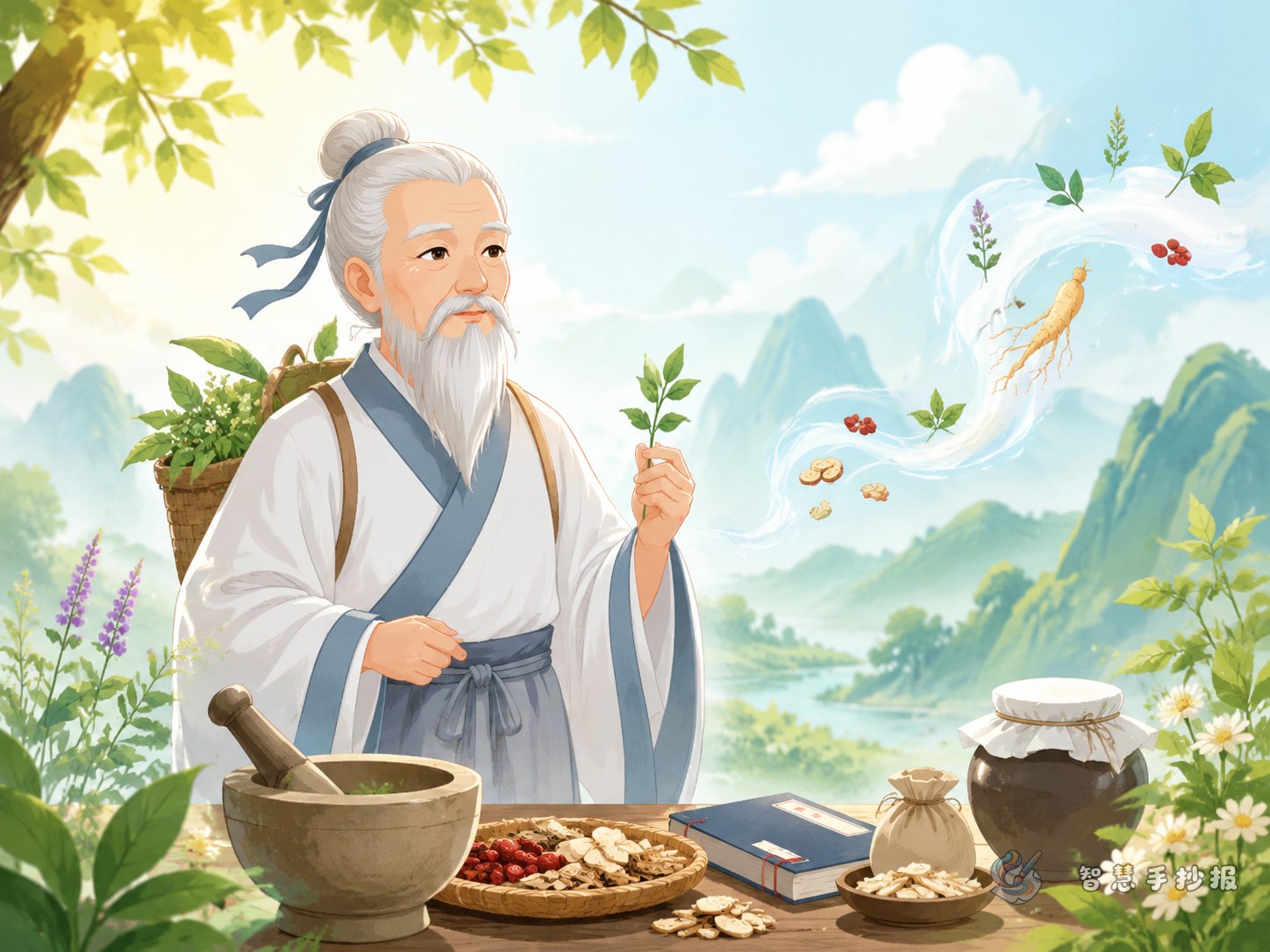
- Add small drawings of herbs, a gourd, a medicine pestle, or ancient books.
- Keep dividing lines gentle instead of too stiff.
- Highlight key words like the four diagnostic methods in bold.
With these choices, the newspaper will look both informative and visually connected to traditional Chinese culture.
Common mistakes to avoid
Many students turn this topic into only a short biography, which makes the page feel flat. A stronger handwritten newspaper includes history, knowledge, story, and personal understanding together.
- Do not fill the whole page with life details only.
- Do not use too many difficult medical terms.
- Do not make the text blocks too crowded.
- Do not add unrelated decorations that weaken the theme.
When you combine the person, the story, the medical idea, and a clean layout, your Bian Que handwritten newspaper will feel much more vivid and complete.