Why a body traffic light works on a school safety poster
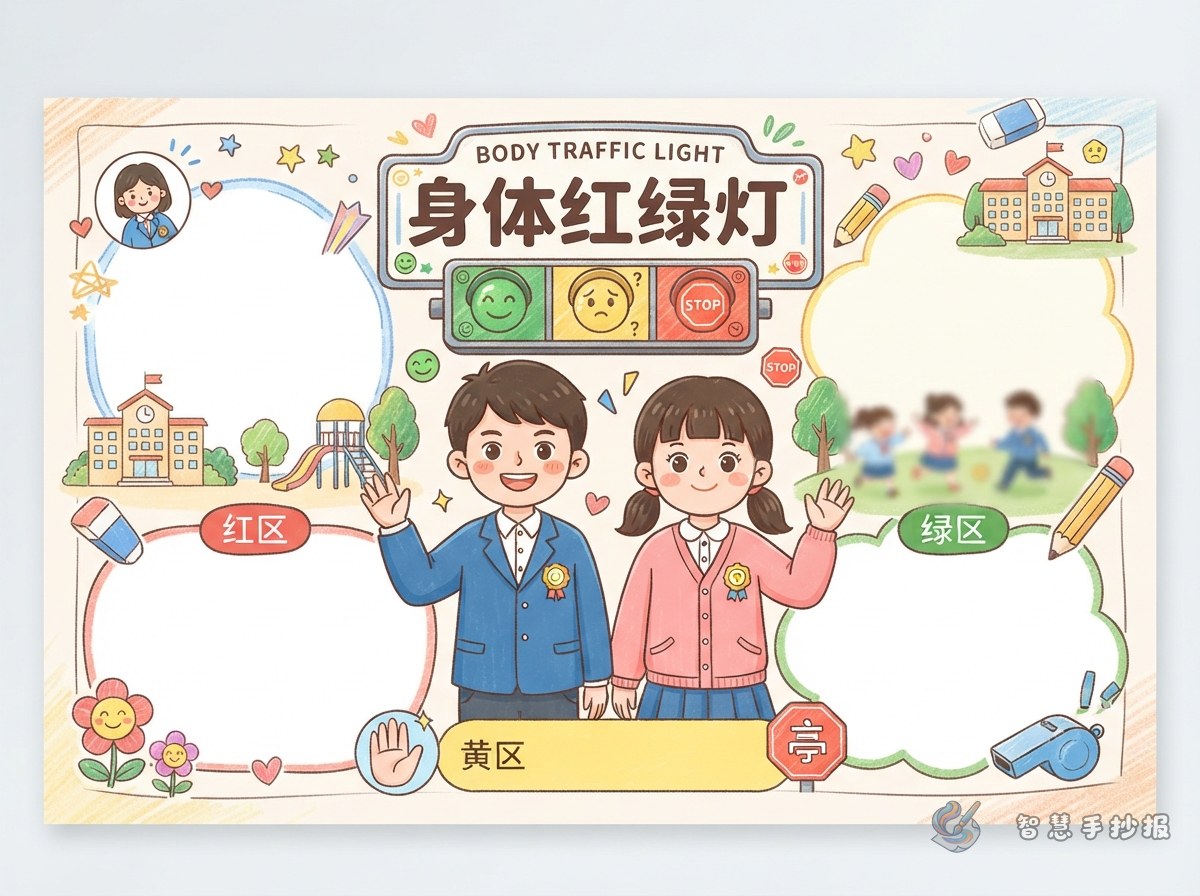
Talking about body safety can feel heavy for children, and long paragraphs are easy to forget. A traffic light is a familiar image, so it gives students a simple way to picture three kinds of contact: never allowed, ask first, and safe and friendly. The poster turns that idea into something they can draw, read, and remember.
The poster should answer three questions clearly: where is my boundary, what do I do when someone crosses it, and who can I tell.
What belongs in each of the three zones
Red zone: no looking, no touching
The parts covered by a vest and shorts belong here. Write a line such as "This area is private" or "Even a doctor check happens with a parent nearby." A small figure with a red circle and a diagonal line makes the message clear.
Yellow zone: ask me first
Shoulders, arms, head, and back can be touched, but only after a polite question. Add lines like "Ask me before you pat my shoulder" and "If I don't like it, I say stop." Mark this section with a yellow border or a yellow bulb.
Green zone: friendly and safe contact
Handshakes, high-fives, playing ball together, and clapping for each other all feel good. Write "Safe contact makes both people feel comfortable." Draw smiling figures or high-fiving hands in this section.
Short lines students can copy or rewrite
- My body belongs to me, and I can speak up when something feels wrong.
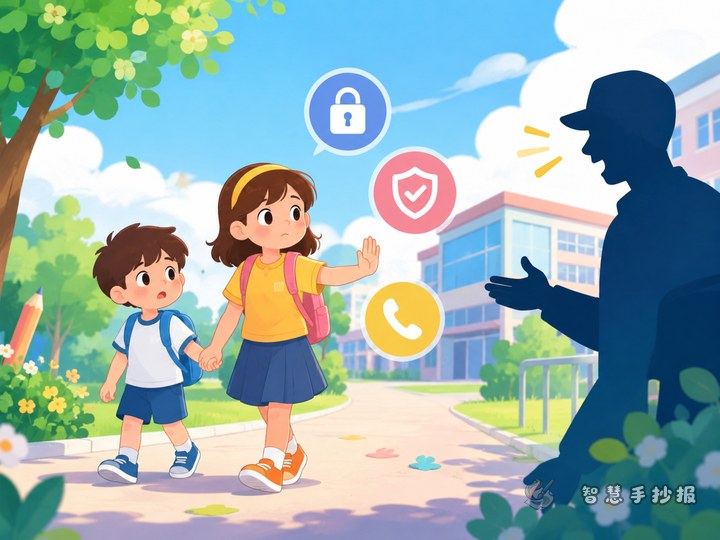
- Say no, walk away, and tell a grown-up.
- If someone asks me to keep a secret, I tell my parents.
- Protect myself first, then find a teacher or a parent.
- Saying no is not rude; it is how I stay safe.
- I can tell more than one person: my parents, my teacher, or a police officer.
Layout, colors, and simple symbols
A strong layout is one traffic light in the middle with three text areas linked to it by dotted lines.
- Put the title at the top, one size larger than the body text, with a double outline.
- Use red, yellow, and green borders or light shading for the three sections, and leave enough white space.
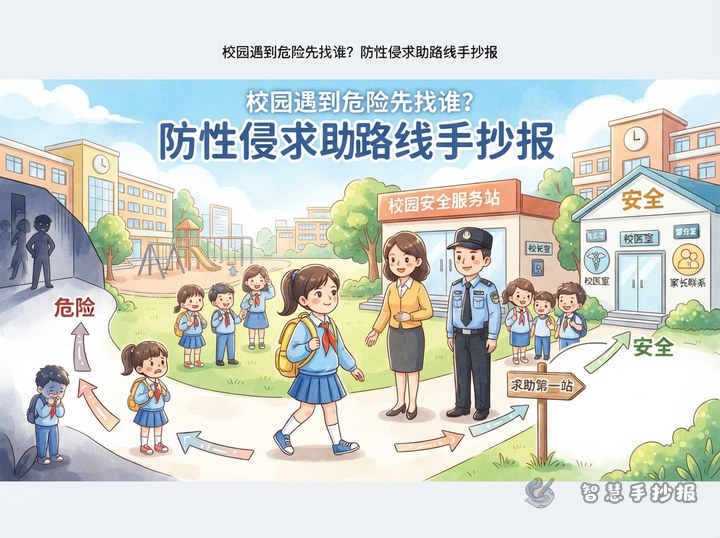
- Add a small box in one corner titled "People I can tell," listing parents, teachers, and police officers.
- Draw simple borders with books, shields, hearts, or footprints to match the safety theme.
From pencil sketch to finished page
- Lightly sketch the title area and the three section boxes, then decide on a portrait or landscape format.
- Write the zone sentences into the matching boxes, keeping each section to three or five lines.
- Add the traffic light, small figures, and a shield symbol, drawing the lines first and coloring later.
- Go over the outlines, check for spelling mistakes, and press the page flat after the ink dries.
One small practice after the poster is done
Ask the child to point at each zone and read it aloud, then say what they would do if someone made them uncomfortable. When the words on the page become words they can say out loud, the poster has done its job.
If you want more layout styles, borders, and column ideas, open the Smart Handwritten Newspaper mini program in WeChat, choose a theme template, and fill in your own handwritten content.