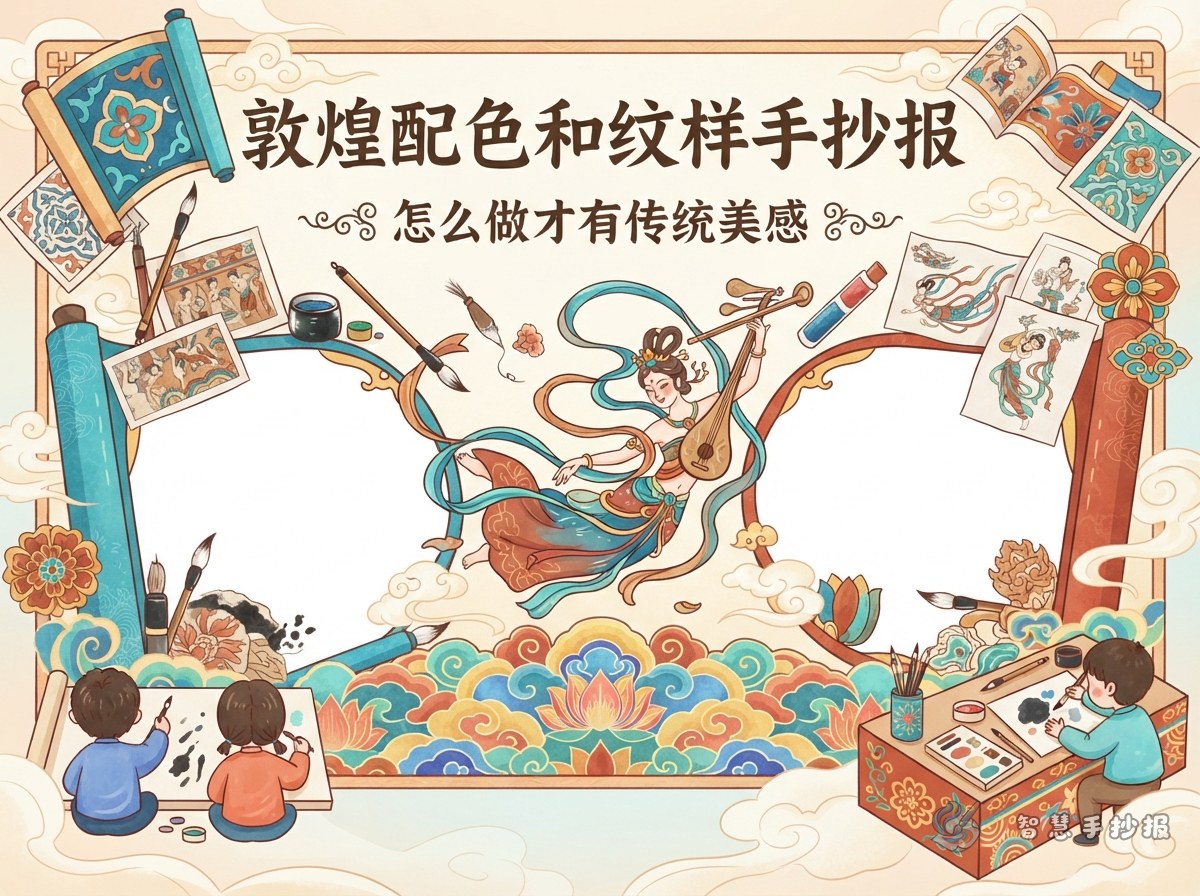
What to Feature on a Dunhuang Color and Pattern Poster
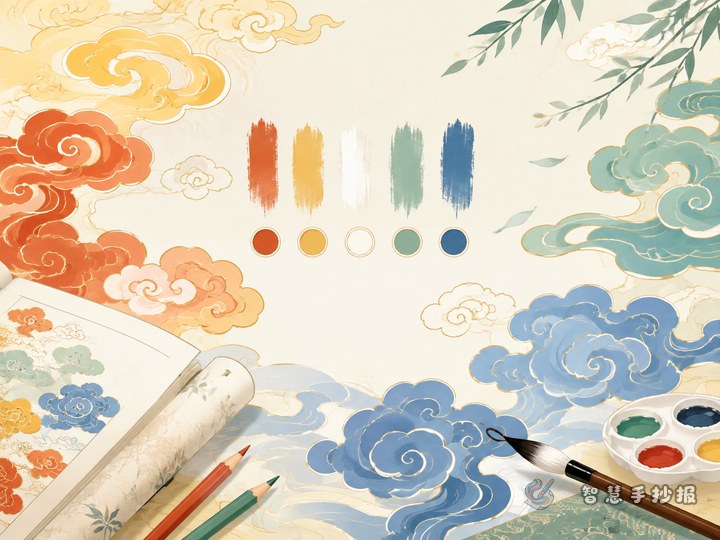
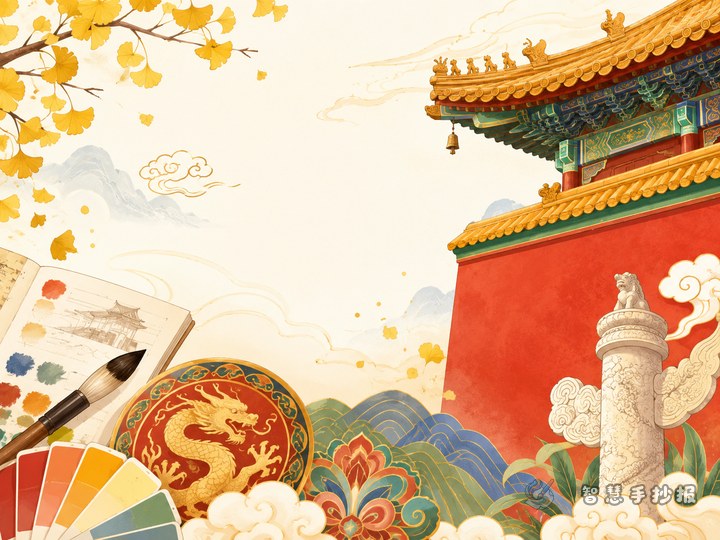
If you want a hand-copied poster about Dunhuang-inspired colors and motifs, focus on two parts: color stories and decorative patterns. You can explain how warm reds, mineral greens, earthy yellows, and calm blues create an ancient mural feeling, then match them with lotus, cloud, flying ribbon, and geometric border designs.
To make the page useful for schoolwork, write short notes instead of long paragraphs. Let each section answer one question: what the color looks like, what it may symbolize, and where the pattern can be placed on the page.
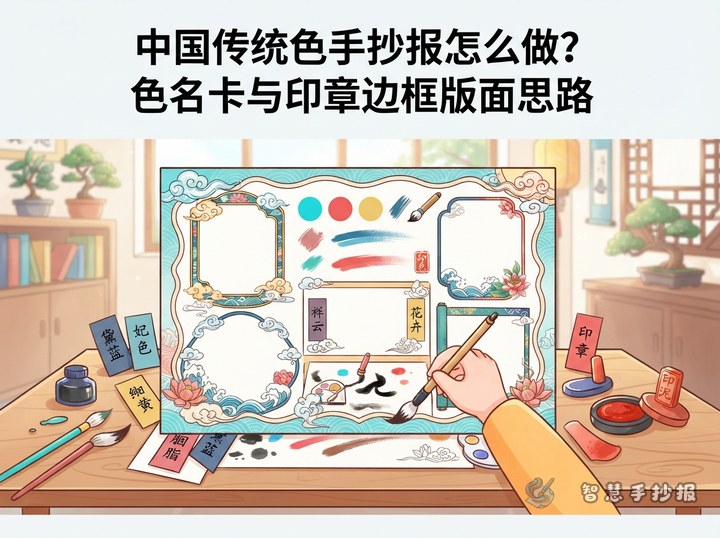
A Simple Layout That Looks Rich but Not Messy
Divide the poster into three areas. The top can hold the title, such as How to Make a Dunhuang Color and Pattern Handwritten Poster. The middle can be the main reading area with small columns. The bottom can include a summary or a favorite pattern recommendation.
- Left side: color cards with names and descriptions
- Center: key motifs such as lotus, auspicious clouds, and ribbons
- Right side: tips for borders, title styling, and matching decorations
Use curved lines and soft frames to create a mural-like feeling. Keep blank space so the page remains clear.
Ready-to-Use Text Materials
Short intro paragraph
Dunhuang art is known for its graceful colors and flowing patterns. In a handwritten poster, we can borrow these traditional visual elements to show the beauty of Chinese color culture and decorative design.
Color notes
- Mineral green: fresh and steady, often gives a quiet and elegant feeling.
- Earthy yellow: warm and natural, suitable for the base tone of the page.
- Cinnabar red: bright and lively, good for titles and key labels.
- Stone blue: calm and deep, useful for balancing warm colors.
Pattern notes
- Lotus pattern: often represents purity and beauty.
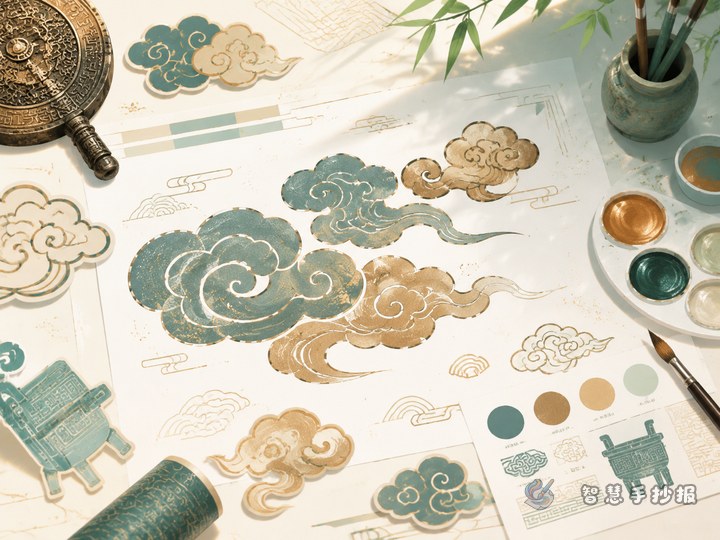
- Auspicious cloud pattern: soft and flowing, good for borders and corners.
- Flying ribbon motif: creates movement and lightness.
- Geometric border: helps divide sections neatly.
How to Draw the Decorative Parts
You do not need very difficult painting skills. Start with simple repeated forms. For example, draw a small lotus, then repeat it along the edge. Use wave lines for ribbons and rounded curls for clouds. If you worry about overdecorating, choose one main motif and two smaller supporting motifs.
- Sketch the border lightly in pencil.
- Mark title and text boxes first.
- Add one main pattern near the title.
- Repeat small motifs in corners to create unity.
- Color the page with only 4 to 5 main tones.
Practical Tips for Students, Parents, and Teachers
Students can keep the writing short and neat, and focus on clear labels. Parents can help organize colors before drawing. Teachers can guide children to compare color and pattern, so the poster becomes both beautiful and informative.
If you want to continue arranging the page more easily, you can also enter the WeChat mini program of Zhihui Shouchaobao to explore poster ideas, section planning, and cleaner visual combinations.