Start with the main question of the page
A handwritten newspaper about how astronauts live on the Moon works best when it answers a few clear questions. Instead of filling the page with difficult science terms, build it around ideas such as what the Moon is like, how astronauts move and breathe, what jobs they do there, and why lunar exploration matters.
This makes the whole page feel like a guided space journey instead of a list of facts.
Easy lunar life facts students can write
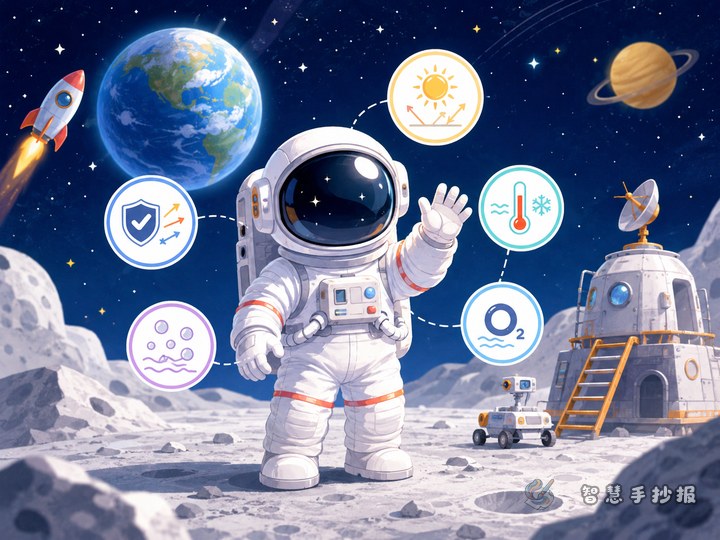
- The Moon does not have air that people can breathe freely, so astronauts must wear spacesuits.
- The Moon’s gravity is weaker than Earth’s, so astronauts move with lighter, bouncing steps.
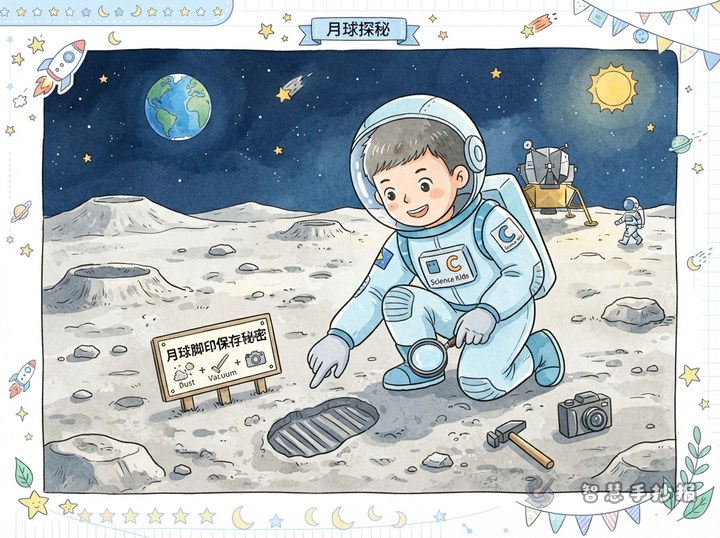
- The lunar surface has craters and dusty ground, so walking and working there takes care.
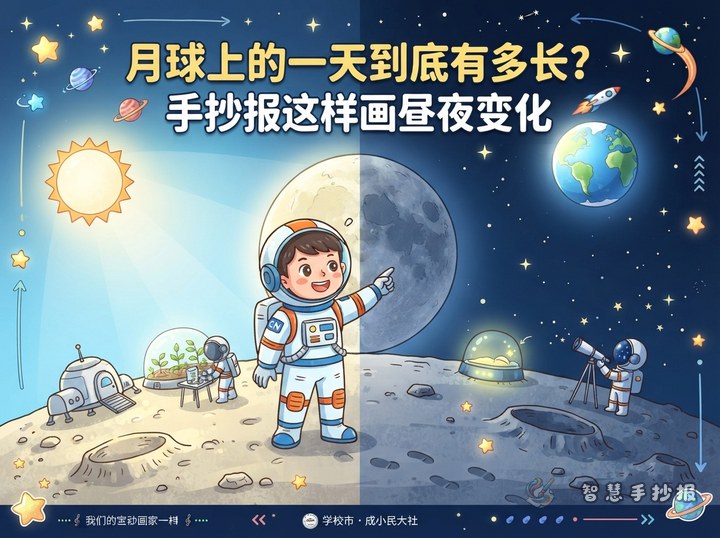
- Temperatures on the Moon can change a lot, so protective equipment is very important.
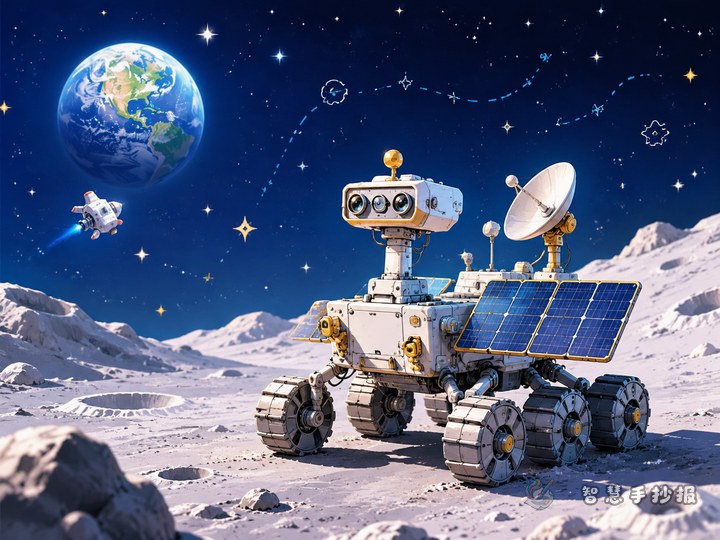
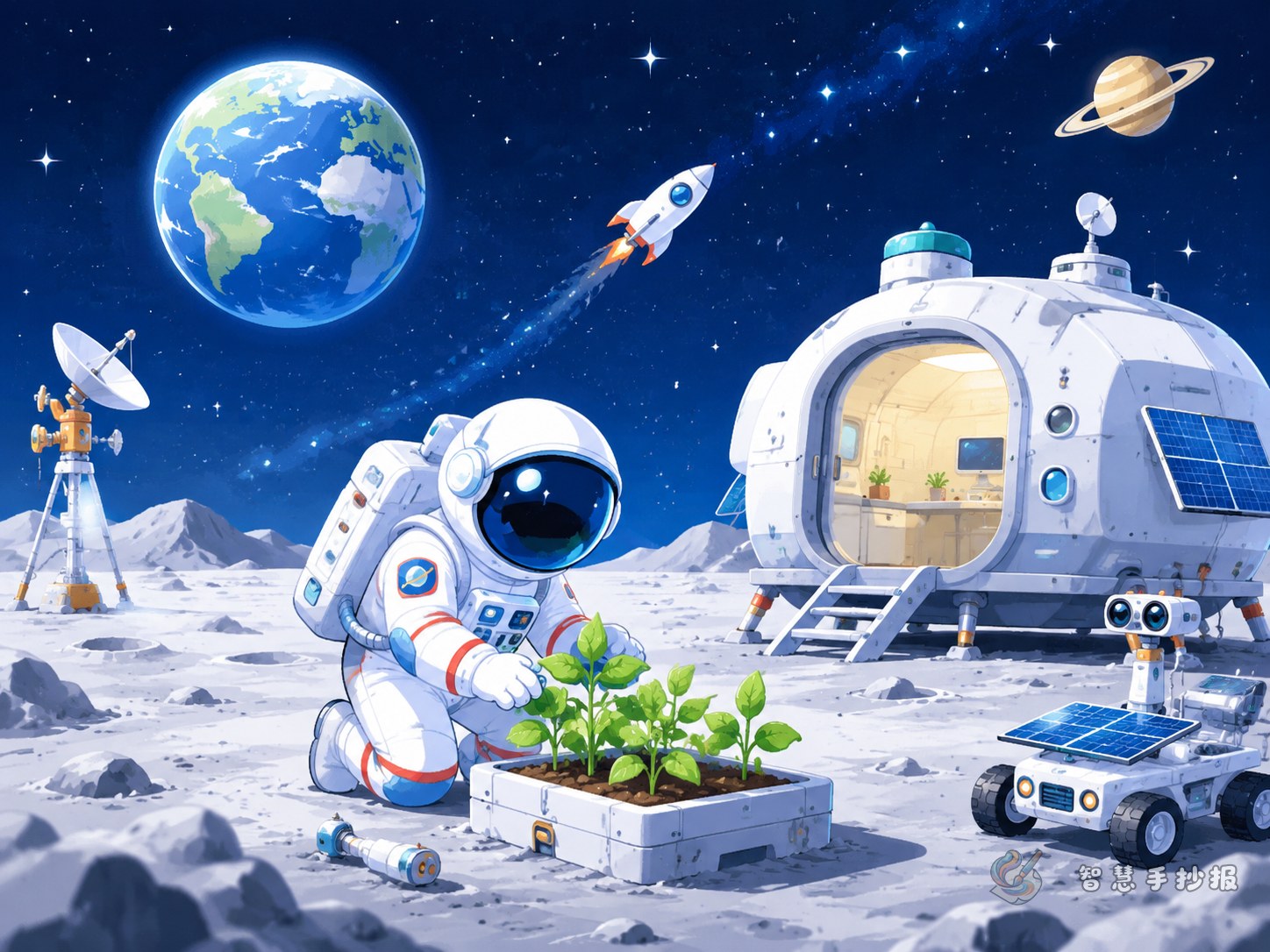
- Astronauts do more than explore the view. They collect samples, set up tools, and study the environment.
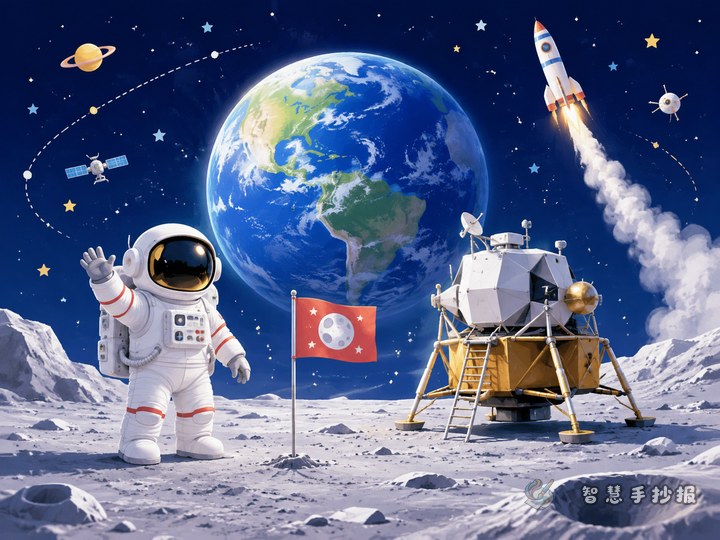
- Moon exploration helps people learn about lunar history and prepare for future space missions.
Short sentence ideas
Astronauts go to the Moon not for sightseeing, but for science and discovery.
A spacesuit is like a small moving safety room for an astronaut.
Every step on the Moon helps humans learn more about space.
Four useful sections for the page
- The Moon Is a Special Place: write about gravity, temperature, and surface features.
- How Astronauts Live There: include breathing, walking, resting, communication, and safety.
- What They Do on the Moon: talk about experiments, collecting samples, and observation tasks.
- My Space Dream: add one or two personal thoughts to make the project more lively.
If there is extra space, you can also add a small section called “Moon Fun Facts” or “Questions for an Astronaut.”
Design the layout like a moon mission
This topic looks great as a mission-style page. Put the title at the top center and decorate it with stars, a crescent moon, or a small rocket. Use one side for “Moon Environment,” the other for “Astronaut Life,” and the bottom for “Science Tasks” and “My Thoughts.”
You can also make the text follow a story path: launch, travel, landing, moonwalk, and discovery. That gives the handwritten newspaper a stronger sense of movement and adventure.
- Use dark blue, silver, and bright yellow for a space feeling.
- Draw borders with stars, helmets, moon footprints, or orbit lines.
- Highlight key ideas with bold mini-headings so readers can find them quickly.
Simple opening and ending examples
Opening idea
The Moon has always made people curious. If astronauts go there, how do they breathe, walk, and work? This handwritten newspaper explores the secrets of life on the lunar surface.
Ending idea
From wearing a spacesuit to stepping onto the Moon, every part of an astronaut’s journey takes courage and knowledge. Learning about the Moon can help us love science and dream bigger.
Two final tips for making the page
First, do not fill the page with too much text. Choose short, clear facts and leave room for titles and drawings. Second, mix science with child-friendly expression. A line such as “If I were a young astronaut” can make the whole project feel warmer and more personal.
If you already have your topic and sections ready, you can continue organizing the layout and style in the Zhihui Handwritten Newspaper WeChat mini program to finish your project more easily.