Start with a clear idea: a child who learns by doing
This theme becomes stronger when it shows real hands-on work. Instead of writing only general sentences like “chefs work hard,” students should include simple tasks they actually did, such as washing fruit, helping prepare dumplings, arranging dishes, or cleaning the table. That makes the handwritten newspaper feel authentic and closely tied to labor practice.
Possible titles include “My Little Chef Experience,” “Today I Was a Kitchen Helper,” or “A Young Worker in the Kitchen.”
Useful sections that make the page rich and organized
My kitchen practice
- What I did: washing vegetables, arranging plates, helping with preparation
- What I learned: doing things in order, keeping tools tidy, cleaning after work
- What I realized: every meal takes effort and care
What chefs do every day
Students can explain that chefs do much more than cook. They prepare ingredients, care about hygiene, balance nutrition, manage timing, and work responsibly. This helps turn a simple cooking theme into early career awareness.
Good habits in the kitchen
- Wash hands before touching food
- Keep raw and cooked food separate
- Do not touch sharp or hot tools casually
- Put tools back after using them
- Clean the table and work area when finished
Skills I think a chef needs
Students can list words such as patience, carefulness, cleanliness, teamwork, punctuality, and responsibility, then add one short sentence to explain each one.
Short text materials students can copy or adapt
Sample 1: Today I became a little chef helper. I washed vegetables, arranged dishes, and helped clean the table. Although these were small jobs, I learned that cooking is not easy. Every meal needs effort, order, and care. Labor helps me value food more.
Sample 2: A chef is someone who creates delicious food with skill and responsibility. Chefs must care about hygiene, safety, nutrition, and teamwork. Through this labor practice, I learned to respect people who work seriously in the kitchen.
Sample 3: I want to begin with small tasks at home, help my family, and improve my hands-on ability. Through daily labor, I can also learn more about different jobs.
Layout ideas that feel fresh and easy to read
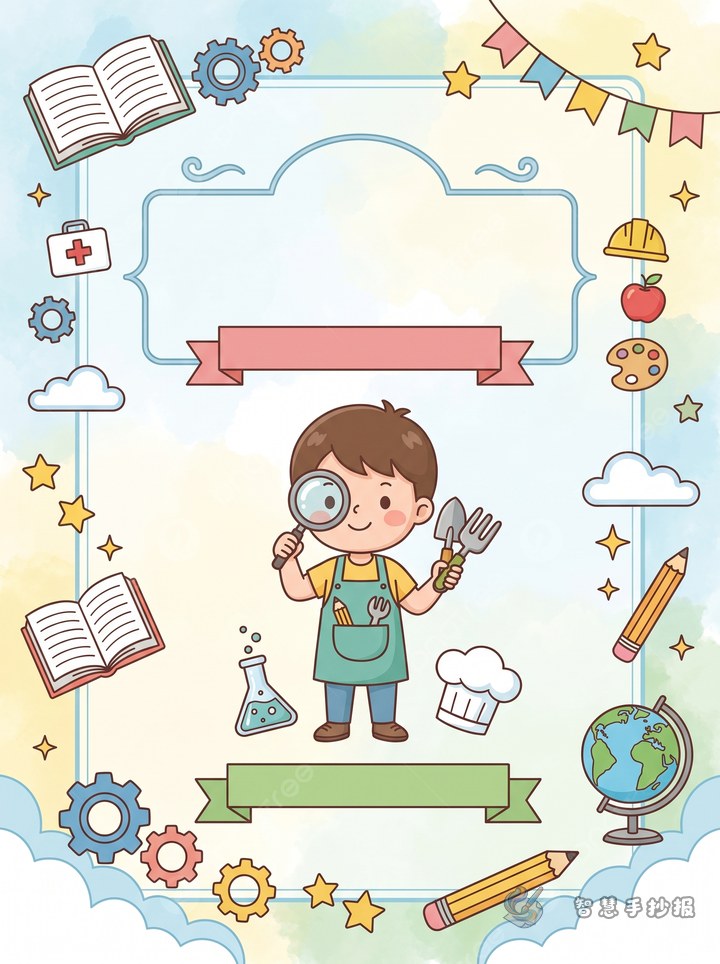
A kitchen counter style layout works well. Put the main title in the center, place “My Experience” on one side and “Job Knowledge” on the other, then use the lower part for “Safety Tips” or “What I Learned.”
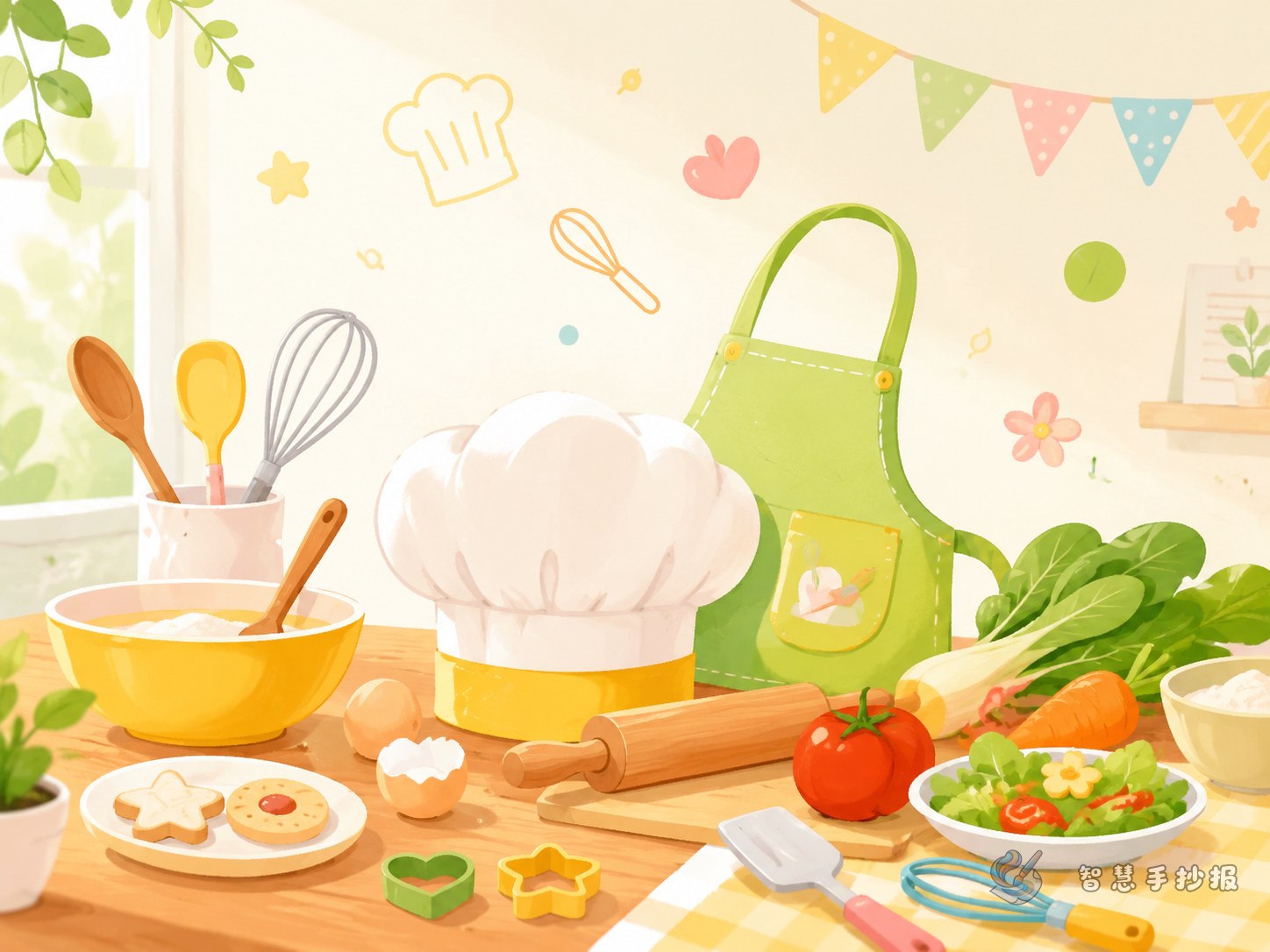
- Border ideas: apron, chef hat, spoon, plate, vegetables
- Color suggestions: orange, red, light yellow
- Decoration ideas: menu-shaped boxes, spoon-shaped labels, checked cloth lines
Do not overcrowd the page. Leave enough blank space so the writing stays neat and easy to read.
Simple details that make the work more convincing
To make the newspaper more complete, students can add a section called “Jobs I Can Help With at Home”, such as washing fruit, setting the table, wiping the desk, or sorting kitchen waste. This connects kitchen labor with everyday responsibility.
It is also helpful to include one honest personal reflection instead of copying only facts. For example: “I used to think cooking was only an adult’s job, but now I know every meal comes from careful work.”
How to finish it neatly and efficiently
- Choose the title first and keep four clear sections
- Write only three to five sentences in each section
- Draft lightly in pencil before outlining in darker pen
- Draw only a few key illustrations instead of filling every space
- If you want a cleaner layout and better title design, continue in the Smart Handwritten Newspaper WeChat mini program