Start with the main idea
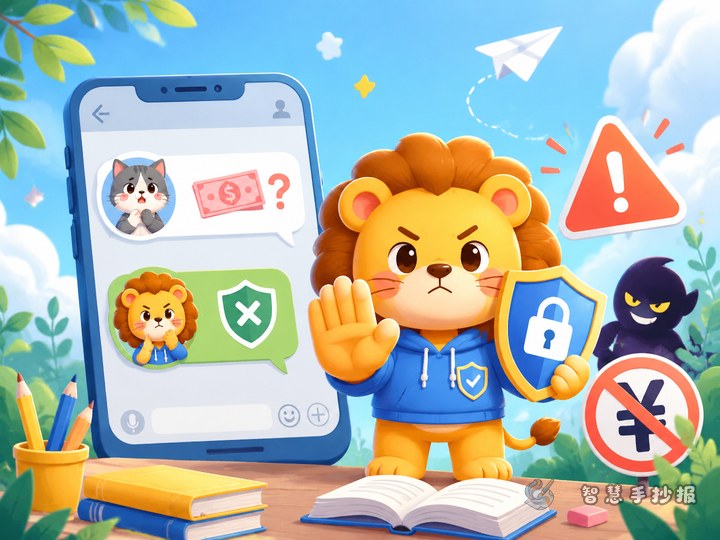
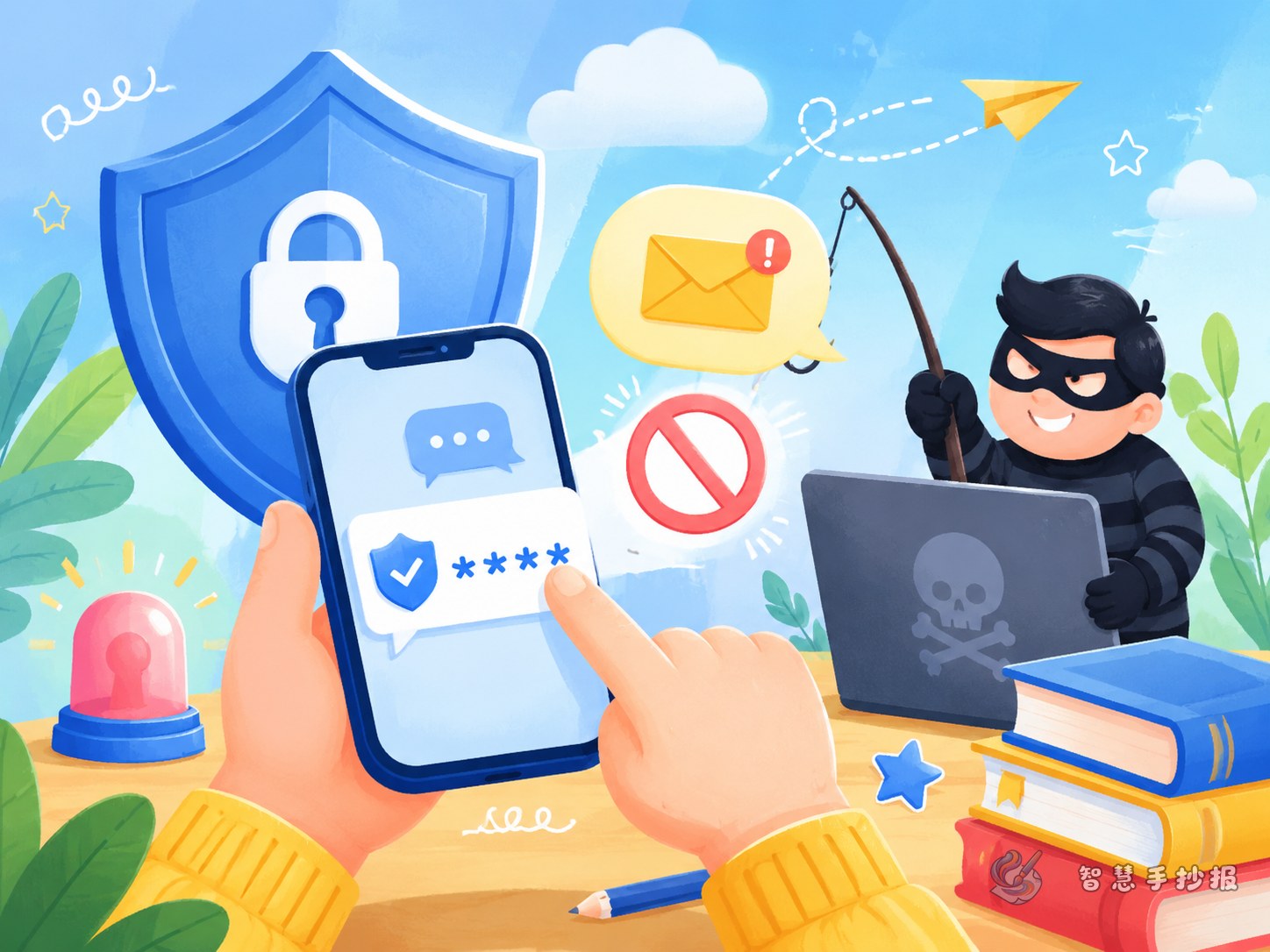
This topic works best when the headline gives a direct warning. A verification code is like a temporary key used for logins, payments, or password recovery. If someone shares it with a stranger, the account may be misused.
A strong opening line can be: Never share your verification code with anyone. This sentence is suitable for the center of the page or the title area.
Text materials students can use directly
What is a verification code?
A verification code is a short number or letter combination sent by a platform to confirm that the real user is performing an action. It may look simple, but it is very important.
Common scam scripts
- Someone pretends to be customer service and asks for the code to process a refund.
- Someone claims to be a teacher, friend, or staff member and says they need the code to confirm identity.
- A caller says your account has a problem and urges you to send the code immediately.
- Scammers often create panic by saying things are urgent or about to expire.
What to do instead
- Stay calm and do not rush.
- Do not reveal the code.
- Do not click suspicious links.
- Ask parents, teachers, or contact the official service channel to verify the situation.
A simple and effective layout
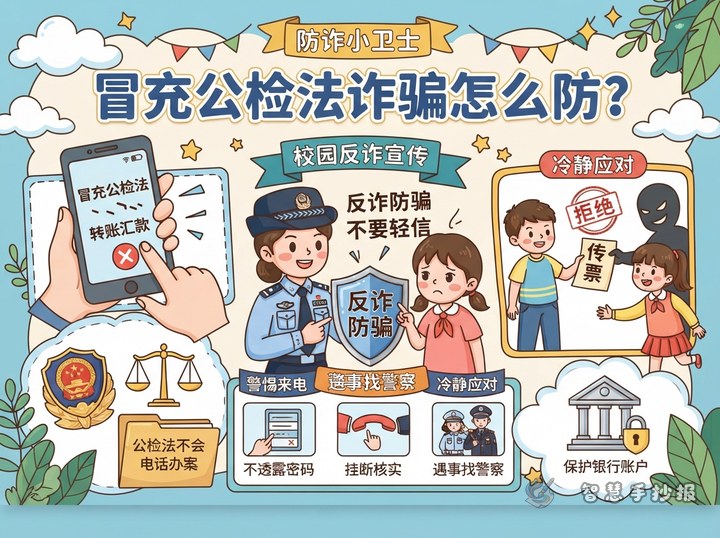
A good page design is a center message with smaller sections around it. Put a bold title in the middle, such as Verification Codes Are Private. Around it, create four boxes: what they are, scam tricks, correct actions, and safety reminders.
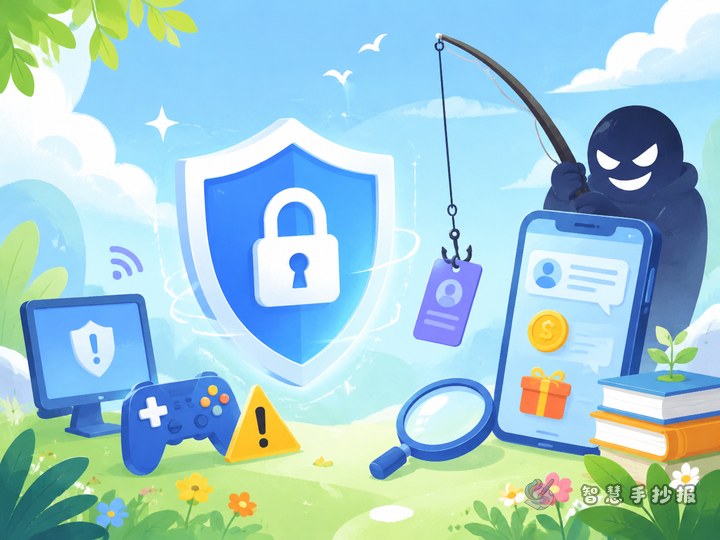
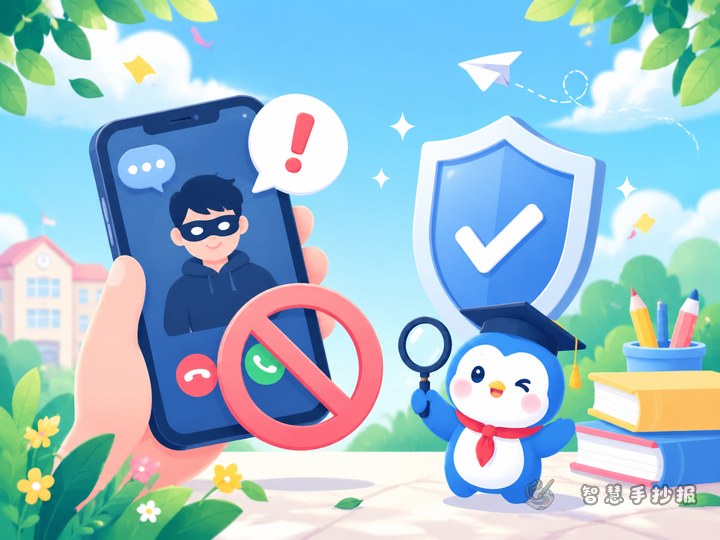
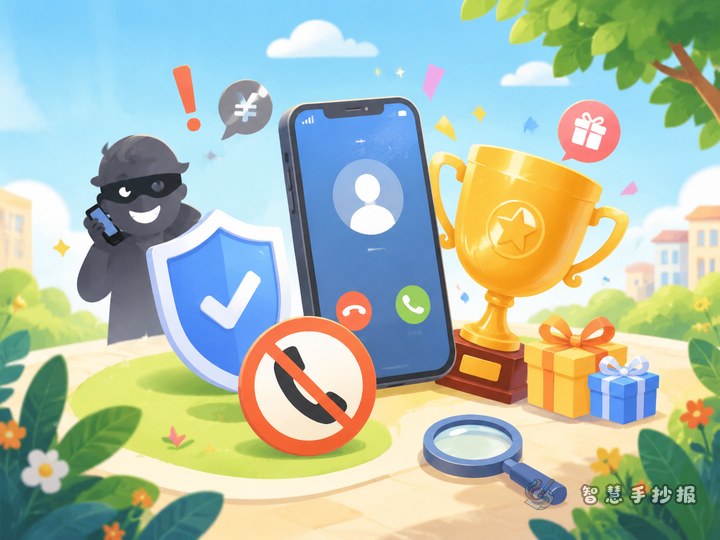
You can decorate the page with small drawings like phones, message boxes, locks, shields, or warning symbols. Keep the design neat rather than too crowded.
Short slogans for the poster
- Keep your code private.
- If someone rushes you, stop and think.
- Do not trust strange calls or messages.
- Ask a parent or teacher when unsure.
These lines are short, memorable, and suitable for corners, borders, or the final section of the page.
How to make the poster more complete
At the end, add a short reminder that online life is convenient, but safety comes first. Whenever a call, message, or chat asks for a verification code, students should become alert right away. Pause, check, and ask for help before taking action.
After organizing the content, you can continue designing the page in the Zhihui Shouchaobao WeChat Mini Program to turn your ideas into a cleaner handwritten newspaper layout.