Start with a clear theme: How does a typhoon form?
For a handwritten newspaper about how typhoons form, the key is to turn science into simple ideas children can understand. Build the page around four core points: warm ocean water, rising moisture, rotating air, and increasing wind strength. This makes the poster informative and easy to organize.
You can also add a short line under the title: A typhoon does not appear suddenly. It develops through the combined effects of the ocean and the atmosphere.
Ready-to-use text for the poster
Basic facts about typhoon formation
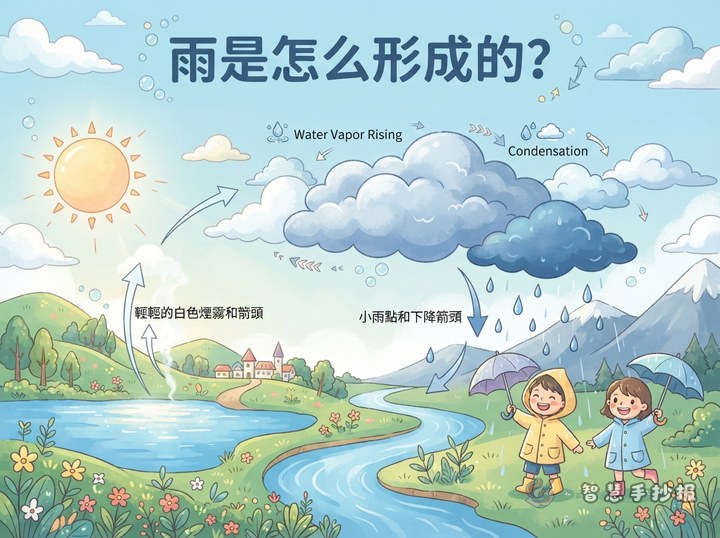
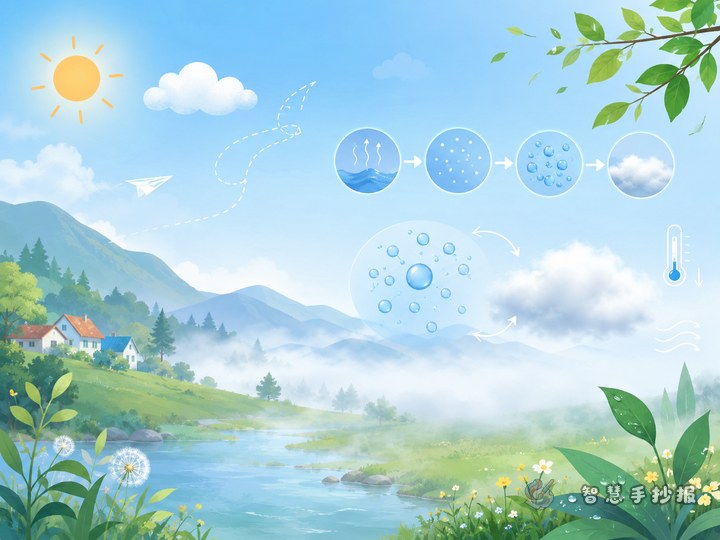
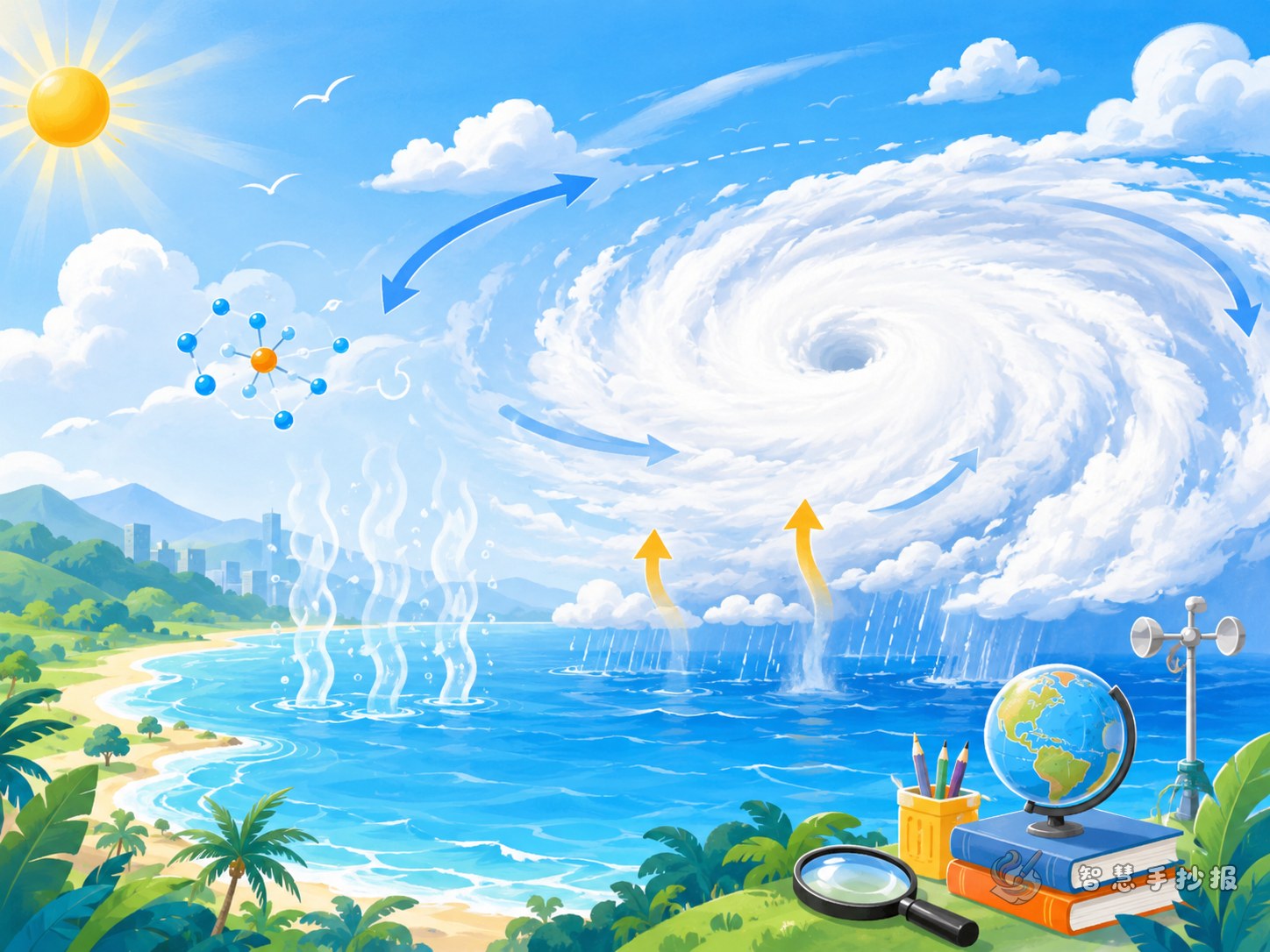
- Typhoons usually form over warm ocean waters where evaporation creates large amounts of water vapor.
- As the moist air rises and cools, the vapor condenses and releases heat.
- This heat helps more air rise, making the system stronger.
- Because of Earth’s rotation, the moving air begins to spin.
- When the spinning system grows stronger and winds increase, it can develop into a typhoon.
Effects of a typhoon
- Strong winds may damage trees and light structures.
- Heavy rain can cause flooding and travel problems.
- Coastal areas may face high waves and storm surges.
- In some places, typhoons may also reduce heat and drought for a short time.
Safety tips during typhoon weather
- Stay indoors as much as possible and close doors and windows.
- Keep away from trees, billboards, and power poles.
- Prepare flashlights, drinking water, and daily necessities in advance.
- Pay attention to weather warnings and safety notices.
A simple layout that works well
This topic fits a knowledge-style layout. You do not need too many long paragraphs. A clear four-part page works very well:
- Center title area: Write “How Does a Typhoon Form?”
- Top left: Show the formation process in 4 short steps.
- Top right: Explain the effects of typhoons.
- Bottom section: Add safety reminders in a numbered list.
To make the page lively, decorate the borders with clouds, raindrops, waves, or spiral wind lines so the weather theme stands out at a glance.
Helpful design ideas for children
Do not make the writing too crowded. Keep each point short and clear. Blue, gray-blue, and green are good title colors for a meteorology theme. Important words like “moisture,” “rotation,” and “strong wind” can be highlighted in bold or a different color.
The drawings do not need to be complicated. A swirling storm cloud, a few raindrops, and simple waves are enough to make the page feel complete. If students want to improve the title style or add more sections later, they can continue editing in the Smart Handwritten Newspaper WeChat mini program.
A natural closing sentence
You can end the poster with a short summary: Typhoon formation is closely related to the ocean, air, and temperature. Learning about typhoons helps us understand weather science and improve safety awareness.
This kind of ending is neat, clear, and suitable for a student handwritten newspaper.