Decide How Much to Write Before You Start
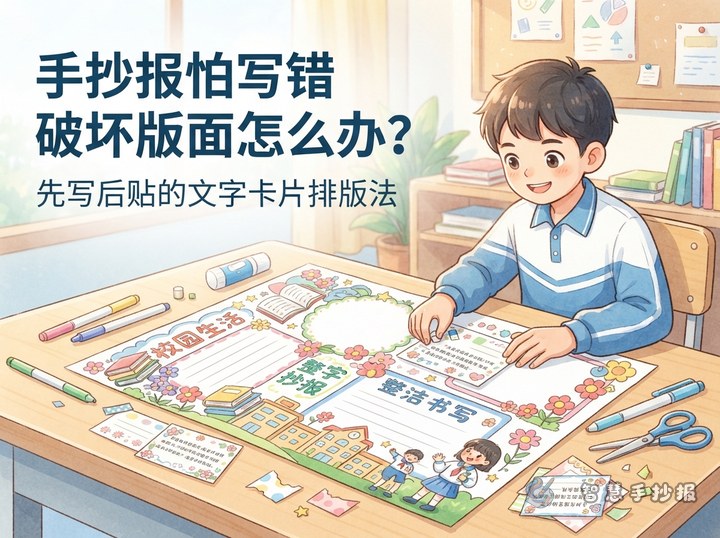
A crowded poster usually looks messy because too much text was planned for one space, not because the handwriting is poor. Choose a theme such as saving water, reading, or a traditional festival, then divide the content into short sections. Each section should answer one small question.
- Quick facts: Include two or three key points.
- Things I can do: List three practical actions.
- A closing thought: Finish with one or two short sentences.
Write the full text on draft paper first and remove repeated ideas. Short sentences are much easier for children to space evenly.
Test One Line to Find a Comfortable Writing Rhythm
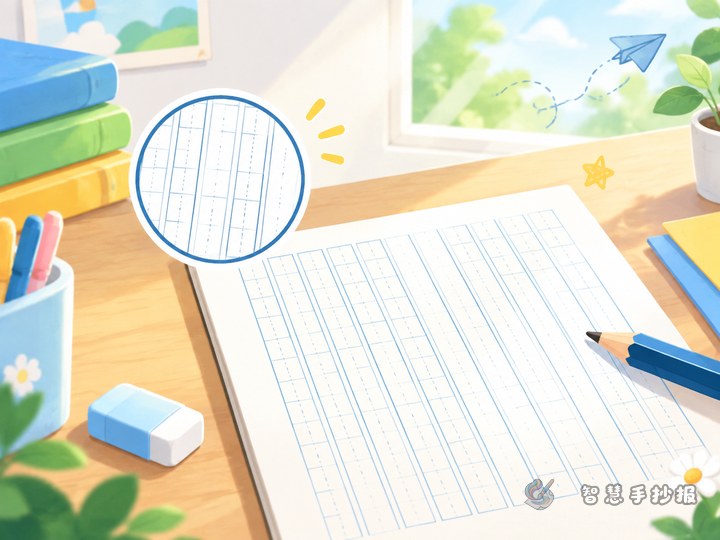
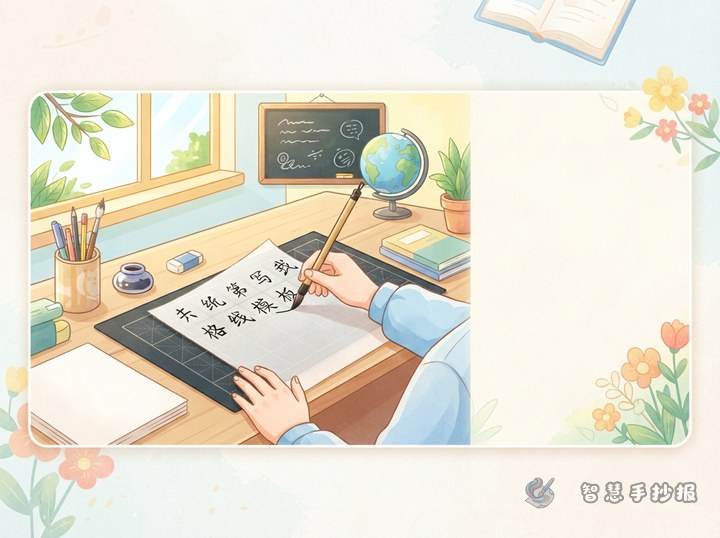
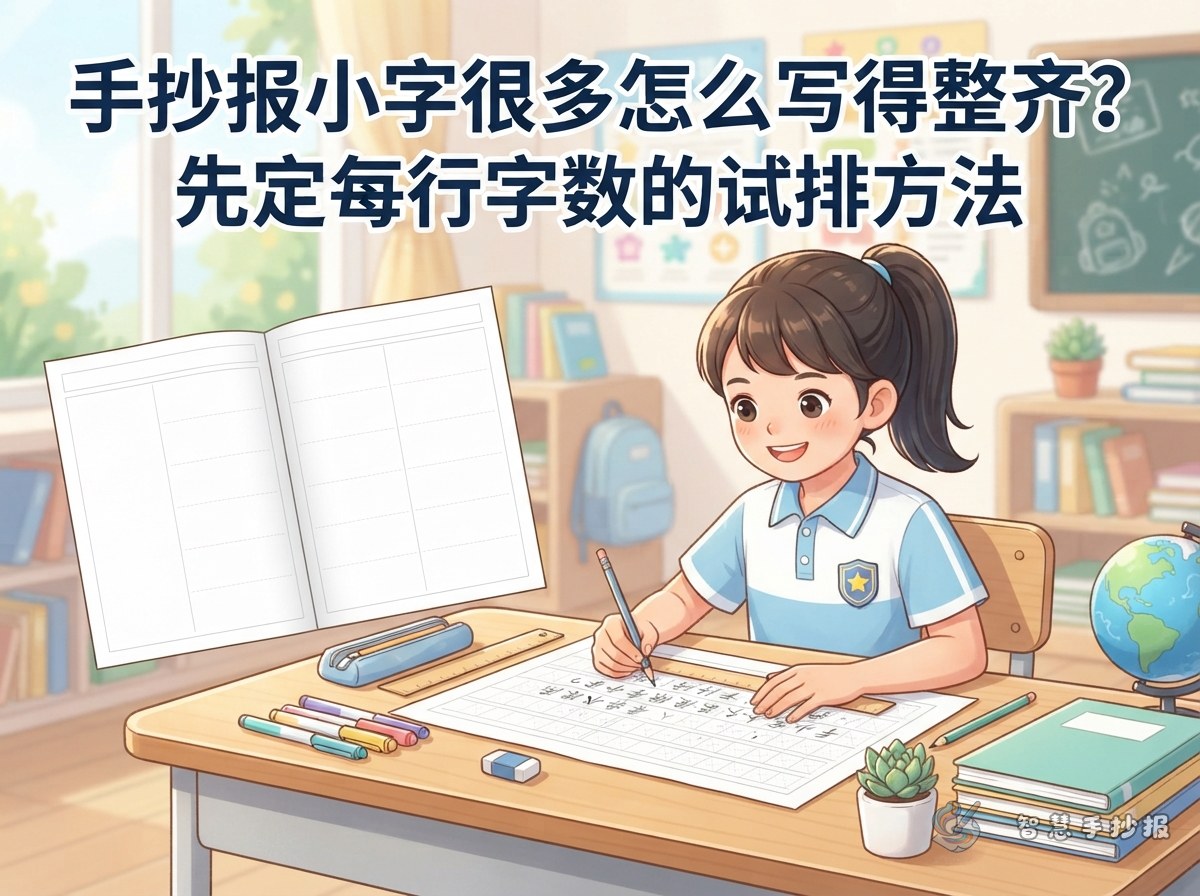
Before writing in the final box, draw a similar-width space on scrap paper and write one line at your normal speed. Do not deliberately shrink or stretch the letters. Count the characters after finishing; this gives you a useful guide for that section.
- Write one test line and check that letters are not touching.
- Estimate how many lines the text box can hold.
- Compare the available space with the length of your draft.
- Shorten the wording before copying it onto the poster.
For example, if a box fits about twelve characters per line and seven lines, keep the body text to roughly eighty characters so there is room for a natural beginning and ending.
Give Paragraphs Small Pauses
Neatness is also about reading rhythm. Use a short heading followed by two or three sentences, then leave a small gap before the next idea. In narrow sections, turn key information into a list with matching dots, dashes, or numbers.
Short Sentences You Can Use
- Start with small actions and build good habits every day.
- Observe carefully, record actively, and keep learning.
- Waste less and treasure more.
- Write knowledge clearly and put it into action.
These lines work well as closing notes for posters about environmental care, study habits, practical work, or reading.
Three Rules for a Clean Final Copy
Keep letter height consistent. Use one main size for body text. Highlight important words with a border or stronger strokes instead of making them suddenly much larger.
Maintain steady margins. Do not press the first or last character against the edge. When a long word will not fit, move it to the next line early.
Correct gently. If a word is wrong, cover it with a small matching paper label and rewrite it, or turn the area into a simple icon. Heavy scribbling makes a page look untidy.
A Smooth Order for Making the Poster
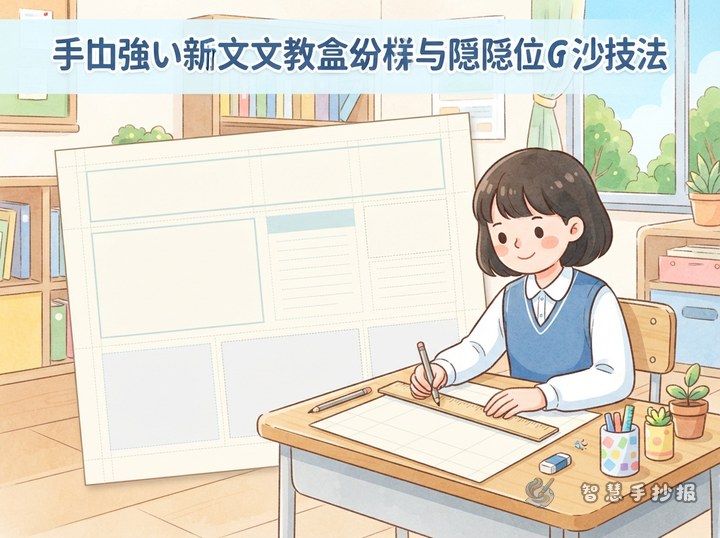
Sketch the title area, illustration area, and text boxes first. Test the draft text by section, then write the final copy from upper left to lower right. Add decorations after the writing is complete so they do not take away needed text space.
If you still need ideas for a theme, sections, or text length, use the Smart Handwritten Poster WeChat mini program to organize your layout and content before creating the final poster.