Why the school route deserves its own page
Many sexual abuse prevention newspapers include the message that private parts are not for others to touch. That is important. But children also need to know what to do on the way to and from school when a stranger talks to them, follows them, or asks for help. A route safety page lets them draw their own route, mark danger spots, and practice the rules while making the newspaper.
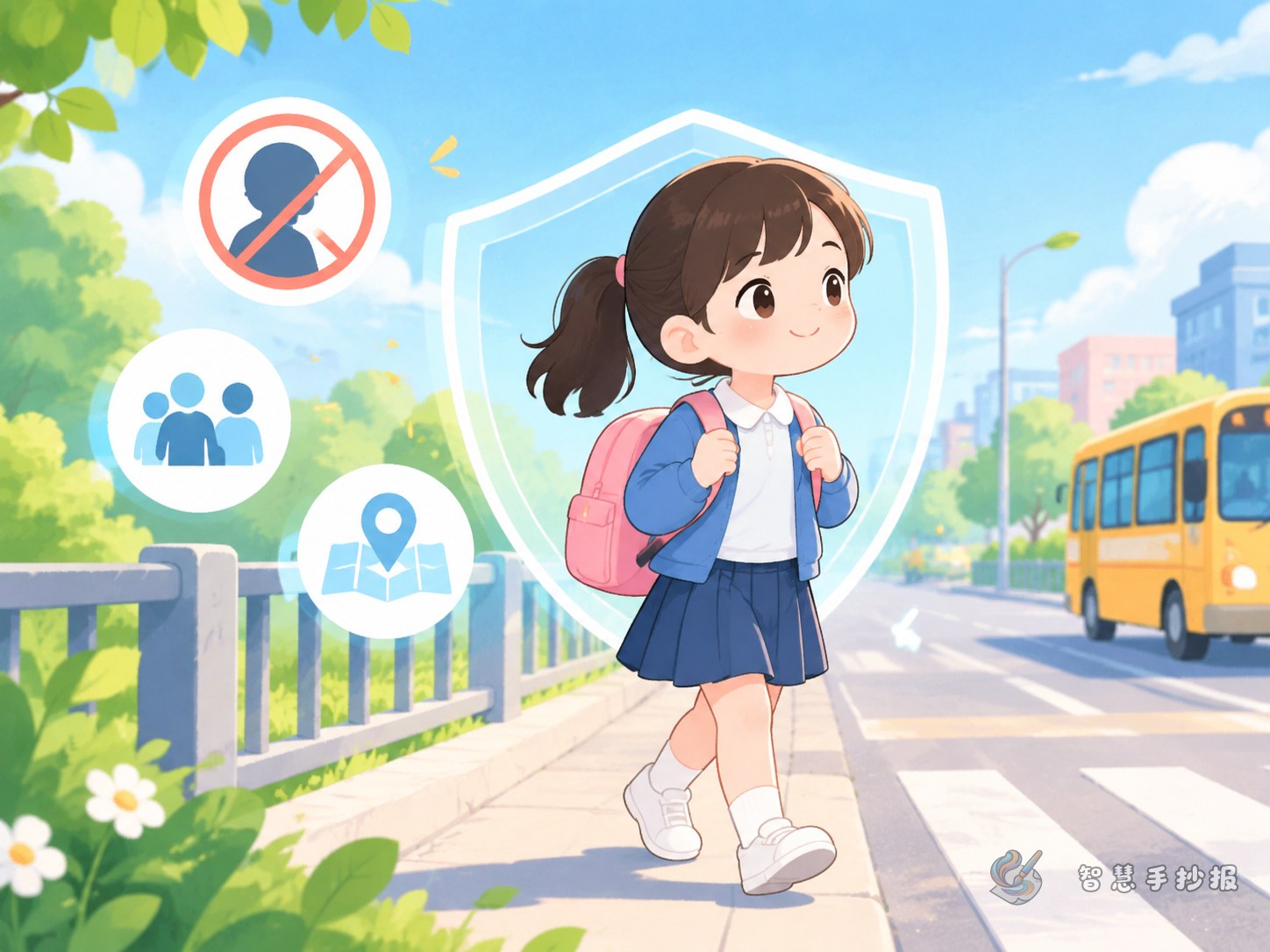
Keep the focus on three words: route, company, and help. The goal is simple: where to walk, who to walk with, and who to ask for help.
Columns you can add
Column 1: My safe route map
Draw a simple route from home to school. Use green to mark busy places, shops, and security booths. Use red to mark lonely alleys, empty buildings, and dark footbridges. Add a line next to it: 'Walk on the main road. Do not take shortcuts through alleys.'
Column 2: Danger spots to avoid
List places to avoid, such as unlit paths, quiet park corners, underpasses, and areas with many unfamiliar parked cars. You can add a small icon next to each one, like a street lamp, an eye, or a warning sign.
Column 3: What to do if someone follows you
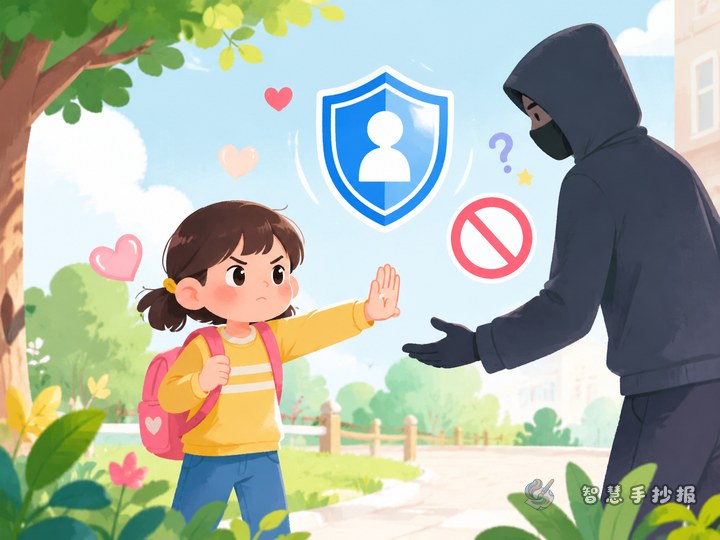
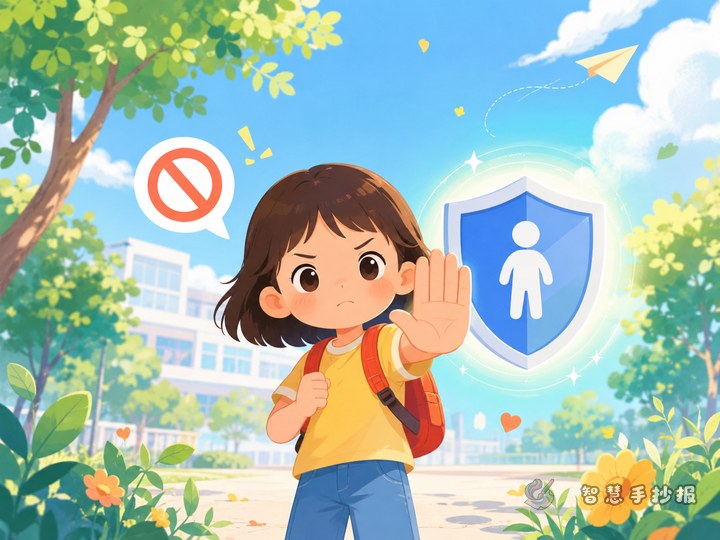
Write three steps: First, walk toward crowded places like shops, banks, or the school gate. Second, say loudly, 'I do not know you. Stop following me.' Third, find a trusted adult to call your parents or the police. You can draw a small 'help card' with your parent's phone number and 110.
Text you can copy
- Walk on the main road to and from school. Stay with friends and do not walk alone.
- If a stranger asks for directions, point the way but do not go with them.
- Do not eat food from strangers. Do not get into a stranger's car.
- If someone follows you, do not panic. Run to a crowded place and shout for help.
- Remember your parents' phone numbers and 110. Ask police, security guards, or shop staff for help.
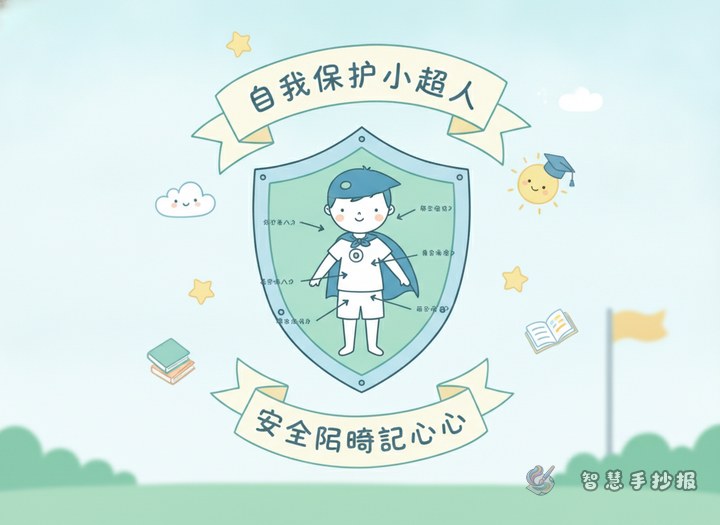
- The parts covered by your underwear are private. No one can touch them. If someone makes you feel uncomfortable, tell a trusted adult right away.
If you have space, add a short chant: 'Main road, with friends; no going, no rides; if in danger, shout loud; find an adult, make the call.'
Layout tips for a clear page
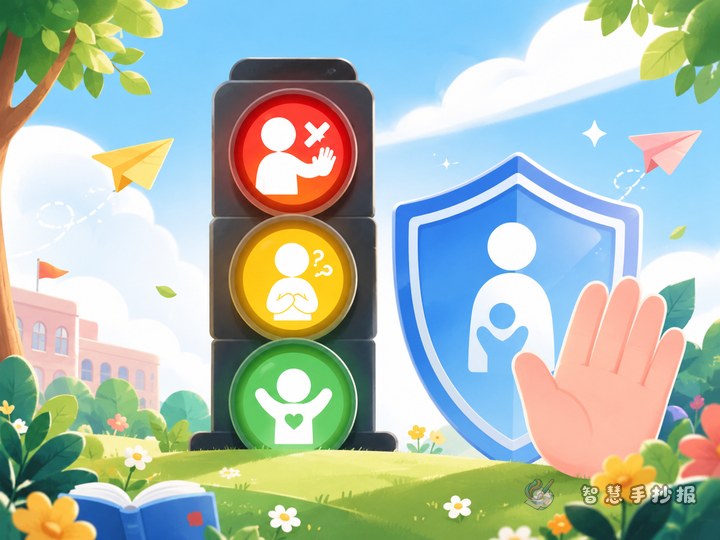
Divide the newspaper into three parts: a route map on the left, danger spots and help steps in the middle, and slogans on the right. The route map does not need to be detailed. A curved line and a few blocks for buildings are enough. Use green for safe, red for danger, and yellow for reminders.
- Title ideas: 'My Safe Way to School' or 'Route Safety Guardian.'
- Add a small legend next to the route map for 'safe spot' and 'danger spot.'
- Number the help steps 1, 2, 3 so they are easy to follow.
- Add a bottom line: 'If you are in danger, run away first, then tell an adult.'
A quick activity: let your child explain the route
After the newspaper is finished, ask your child to point at the route map and explain: 'I start from home, pass this place, and if I need help I can go here. I should move quickly through this part.' Parents and teachers can add reminders, but let the child do most of the talking. This turns the newspaper into a real route safety practice. For more layouts and text ideas, visit the WeChat mini program 'Smart Handwritten Newspaper' to continue creating.