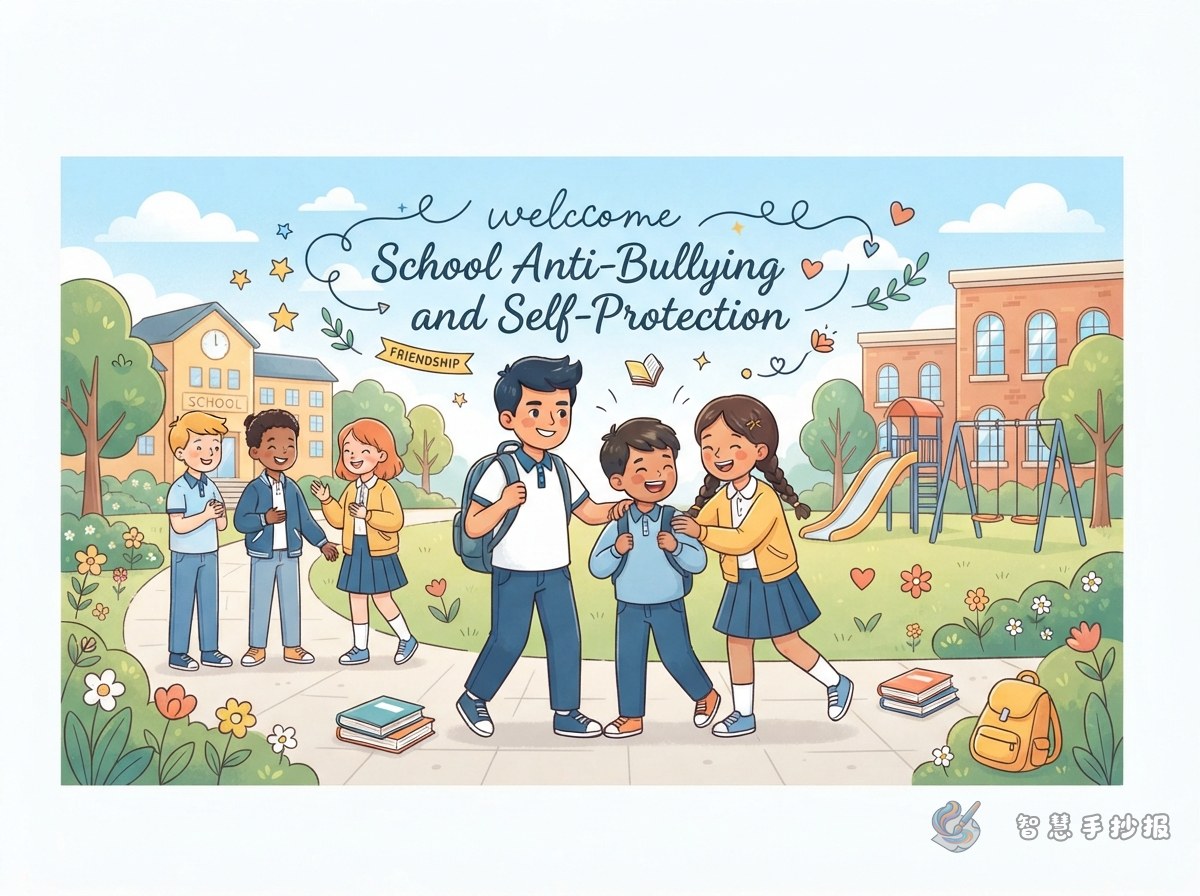
Why a Bystander Makes a Strong Theme
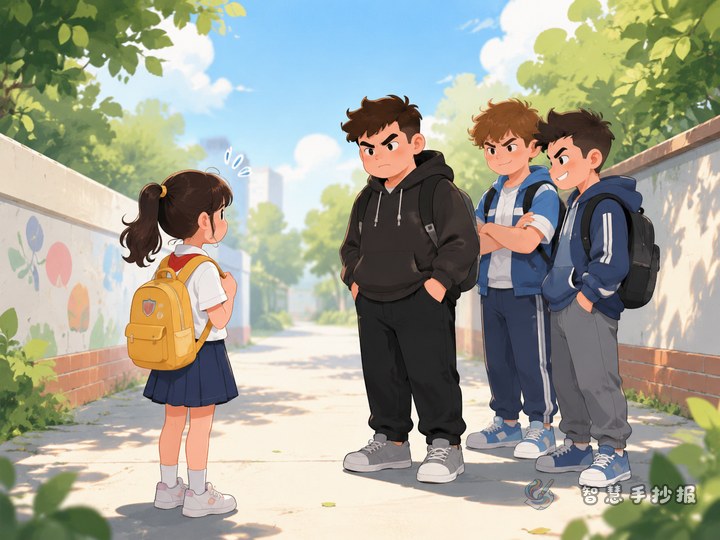
Most anti-bullying pages start with 'what if it happens to me'. Turning the page toward the people standing nearby gives it a fresh angle: I will not be a silent bystander. It still teaches self-protection, and it adds a second layer — how to help a classmate without putting yourself in danger.
Before drawing anything, answer three questions together: What did I see? What could I do right then? What can I still do afterwards? Those answers become the panels of the page.
Three Panels That Explain What I Can Do
Panel 1: Teasing or bullying?
- Teasing: everyone is laughing, anyone can say stop, and it really stops.
- Bullying: one person feels scared or hurt, saying stop does not work, and it keeps happening.
- Draw a line down the middle of the panel — teasing on the left, bullying on the right, and one question in the centre: 'is someone still upset?'
Panel 2: Three things to do right away
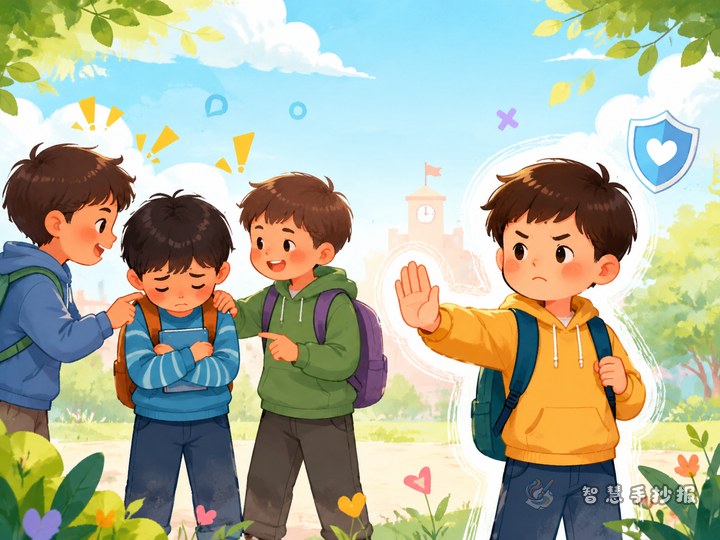
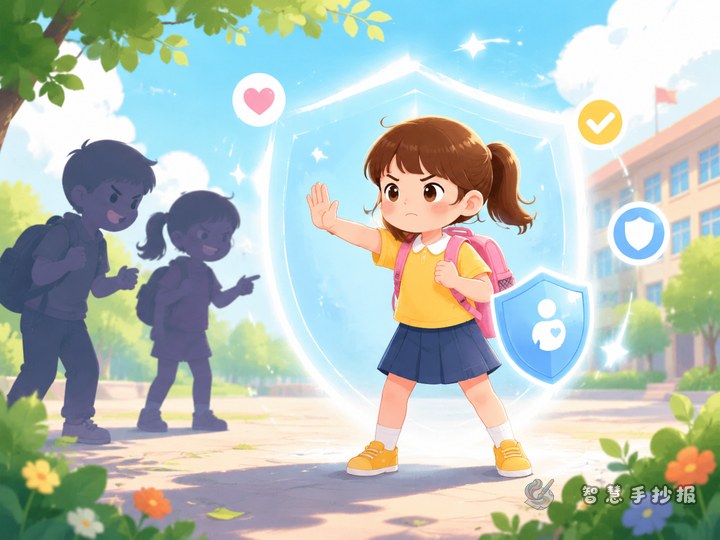
- Say stop out loud: 'Cut it out, he doesn't like it.' No insults, no pushing.
- Get an adult: run for a teacher, a guard or a nearby parent. It is safer than jumping in.
- Walk away together: take the classmate with you to a busy place where adults are around.
Panel 3: Three things not to do afterwards
- Don't stand around laughing or cheering.
- Don't share photos or videos in a group chat or online.
- Don't pass the story on with extra details added.
Short Lines You Can Copy Straight Onto the Page
Short lines carry more weight than long paragraphs. Pick a few of these for a small 'what I want to say' box:
- 'I didn't step in today, but I can walk with you to tell the teacher.'
- 'Helping is not fighting — calling an adult is helping too.'
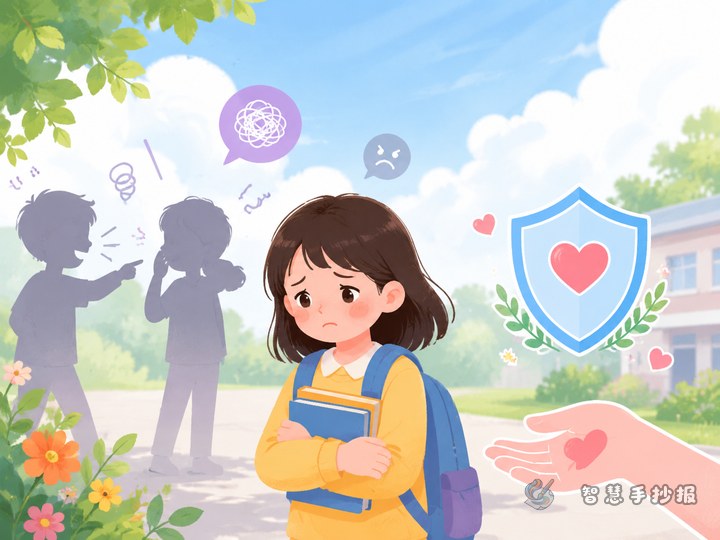
- 'Being bullied is not your fault; silence is what makes it bigger.'
- 'I remember the time and the place, not the mean words.'
- 'If you are the one being bullied, remember: someone is on your side.'
If there is still space, add a 'how to ask for help' arrow: class teacher first, then a parent, and it is easier to speak up when a trusted classmate comes along.
Building the Layout as a Three-Step Path
A three-panel path works well: on the left, a child standing nearby with the words 'I see'; in the middle, two hands holding on with 'I act'; on the right, a door or a phone with 'I ask for help'. Join the panels with arrows so the page reads like a route instead of a wall of text.
Put the main title across the top — 'I won't be a silent bystander' or 'When I see bullying, what can I do?' — and a smaller subtitle such as 'Anti-bullying, self-protection project'. Keep the border simple with straight lines, dots and small triangles, and stick to blue, yellow and green so the page looks clear rather than frightening.
A Small Note for Parents and Teachers
While your child works on this page, ask one gentle question: 'If you were standing there, what would worry you most?' Write the worries down, then find an answer for each one. Teachers can pin the 'three things to do right away' list on the back wall and use it for a short class discussion, so more students remember how to ask for help.
If you would like to try a different layout or extra panels, open the WeChat mini program '智慧手抄报', choose a template and swap in your own words and borders.