Weather Science and Climate Change Handwritten Newspaper

What to Write for a Typhoon Handwritten Newspaper? A Clear Guide from Formation to Safety

This topic helps students create a typhoon-themed handwritten newspaper with science facts, safety knowledge, writing materials, and easy layout ideas. It is practical for class use and simple enough for children and parents to organize together.

Direct Answer

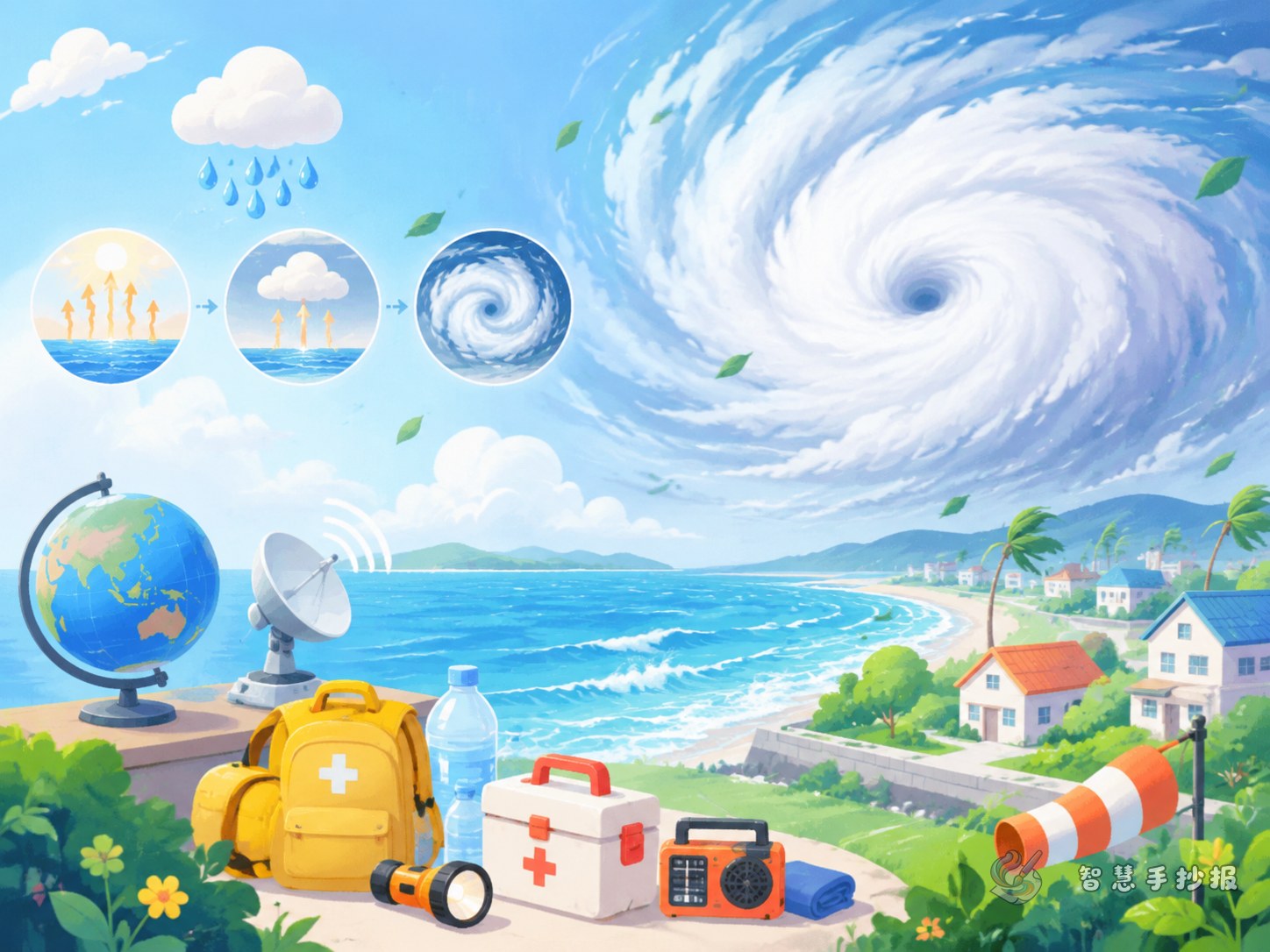
A typhoon-themed handwritten newspaper works best when it answers four simple questions: what a typhoon is, how it forms, what effects it brings, and how people can stay safe. A clear layout can include a science section, a warning signs section, a safety tips section, and a small observation corner. Keep the language easy for children: typhoons usually form over warm ocean water, often bring strong winds and heavy rain, and require people to close windows, avoid unnecessary trips, and stay away from signs, trees, and flooded roads. This makes the poster both educational and practical, and it can be further polished in the WeChat mini program.

How to Build a Clear Typhoon Poster

A strong typhoon handwritten newspaper should be easy to read at a glance. A good structure is: definition, formation, effects, and safety tips. This helps students explain the topic step by step instead of filling the page with scattered facts.

Simple Science Facts to Write

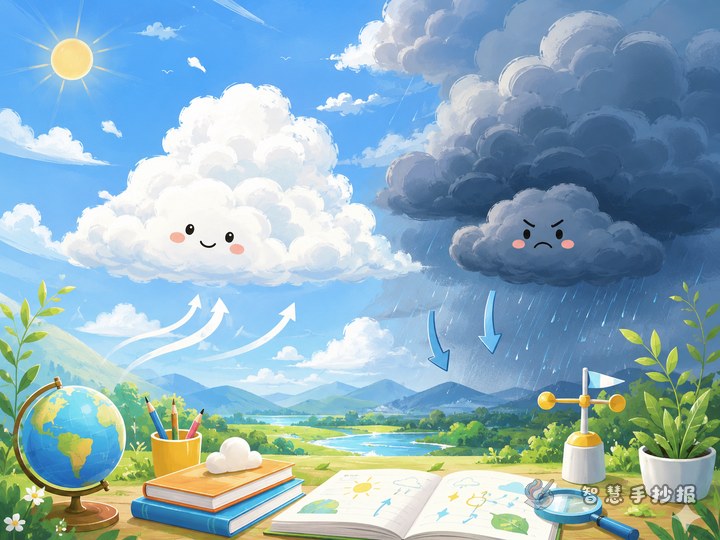
You can explain that a typhoon is a powerful storm system that usually forms over warm ocean water. When warm, moist air rises, more air moves in, and the storm grows stronger. This is why typhoons are often connected with wind, clouds, and heavy rain.

  • Typhoons usually form over warm seas.
  • They can bring strong winds and heavy rainfall.
  • They may affect coastal and inland areas.

Useful Safety Content for Students

Safety information makes the poster more meaningful. Students can write practical actions for before and during a typhoon.

  1. Close doors and windows well.
  2. Do not stay near trees, billboards, or old walls.
  3. Avoid flooded roads and fast-moving water.
  4. Listen to weather warnings and teacher or parent guidance.

Suggested Sections for the Page

Instead of writing one long article, divide the content into small parts. This makes the handwritten newspaper neater and easier for teachers and classmates to follow.

  • What Is a Typhoon? A short definition.
  • How Does It Form? Easy science explanation.
  • What Changes in Weather? Wind, rain, waves, and clouds.
  • How to Stay Safe? Simple protection tips.

Design Ideas for a Brighter Result

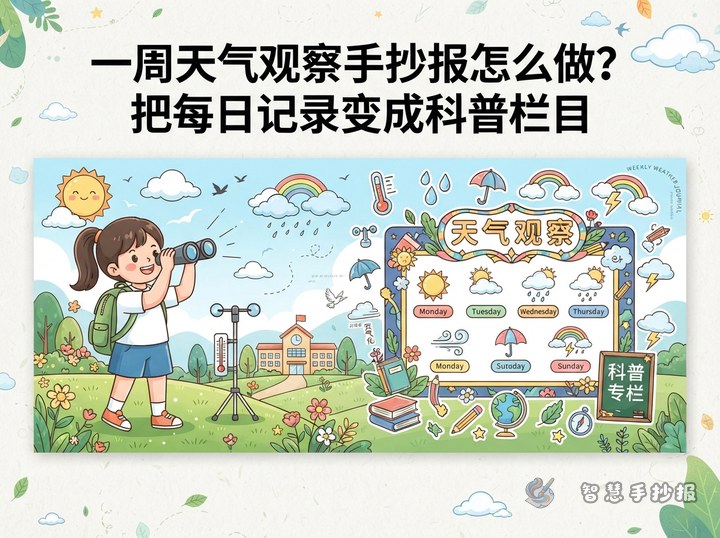
Use blue, gray, and light green as the main colors. Draw swirls for wind, raindrops, warning triangles, and cloud borders. Keep the title bold and make each section balanced in size. If you want to keep improving the page, you can continue organizing the content and layout in the WeChat mini program.
FAQ

What should be included in a typhoon handwritten newspaper?

You can include what a typhoon is, how it forms, common warning signals, possible weather impacts, and simple safety tips for students and families. A small section for observations or slogans also works well.

Is this topic suitable for primary school students?

Yes. The topic is familiar, useful, and easy to explain with simple weather knowledge. Students can learn science facts and also understand how to protect themselves during severe weather.

How can I make the layout look clearer?

Split the page into 3 to 4 sections with short headings. Use one main title, a few key facts, and short bullet points instead of long paragraphs. Add symbols like clouds, wind, rain, and warning signs to match the theme.

WeChat mini program QR code

Scan with WeChat

WeChat mini program QR code Scan with WeChat