Start with One Clear Main Idea
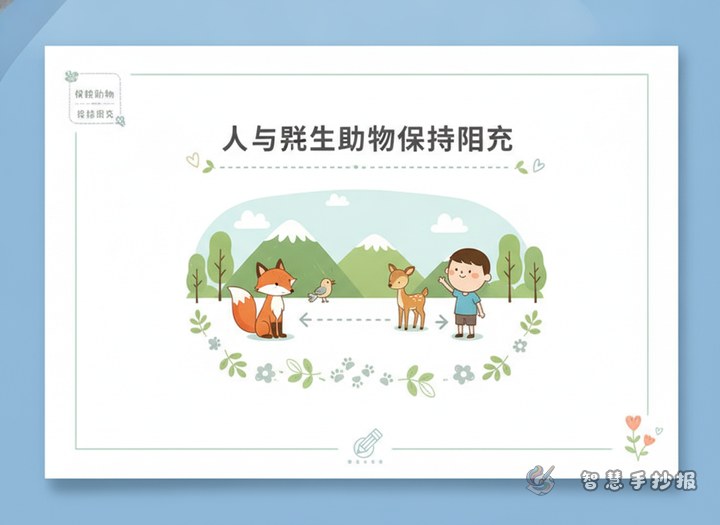
A wetland animal protection handwritten newspaper does not need to include every fact about wetlands. Begin with one clear sentence: wetlands are places where many animals drink, find food, rest, and raise their young. Put this idea under the main title or in the center of the page so readers understand the theme at once.
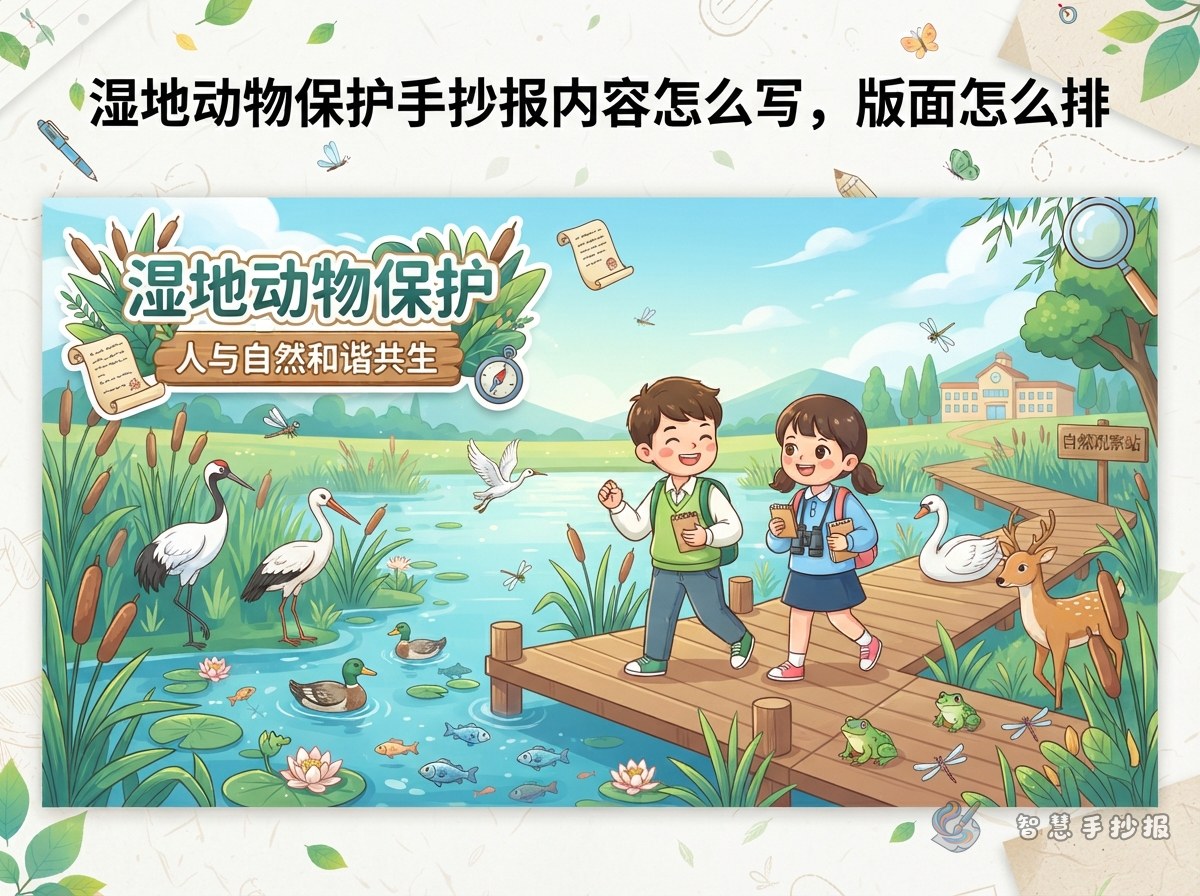
Compared with a general animal protection poster, a wetland theme gives you more natural scenes to draw. You can place water, reeds, mudflats, lotus leaves, and flying birds in the header, then arrange animals on the shore, in the water, and in the sky.
Wetland Animals You Can Feature
The animal file is easy to write and looks great on the page. Choose three to five animals and write only two or three short sentences about each.
- Egret: often walks slowly in shallow water and catches small fish or shrimp with its long beak. Watching quietly instead of chasing it is a simple way to help.
- Wild duck: likes to swim on the water and rest among reeds. Do not throw stones or branches to scare it.
- Frog: lives near ponds and rice fields and eats small insects. Do not catch frogs or destroy the grass near the water.
- Dragonfly: flies above the water, and its young live in water. If you see one resting on a reed, you can draw it in your poster.
- Fish, shrimp, and crabs: live in shallow water and mudflats and are part of the wetland food chain. Keeping the water clean helps protect their home.
You can also add a small note: do not chase, feed, or catch animals at the water's edge. Quiet observation is best.
Three Sections That Make the Layout Useful
Divide the page into three clear sections, each with a different color for its small heading.
- Wetland facts: explain in simple words that wetlands are animal homes with water, plants, and shallow areas.
- Animal files: introduce egrets, wild ducks, frogs, and dragonflies, and add one protection tip for each.
- What I can do: list three to five actions, such as not littering, not catching frogs, not disturbing water birds, saving water, and drawing the wetland animals you see.
The 'What I can do' section works well in the bottom right corner. Put it inside a square or footprint shape so readers remember it easily.
Draw Water, Reeds, and Birds into the Header
The header is the most noticeable part of the handwritten newspaper. Try this arrangement:
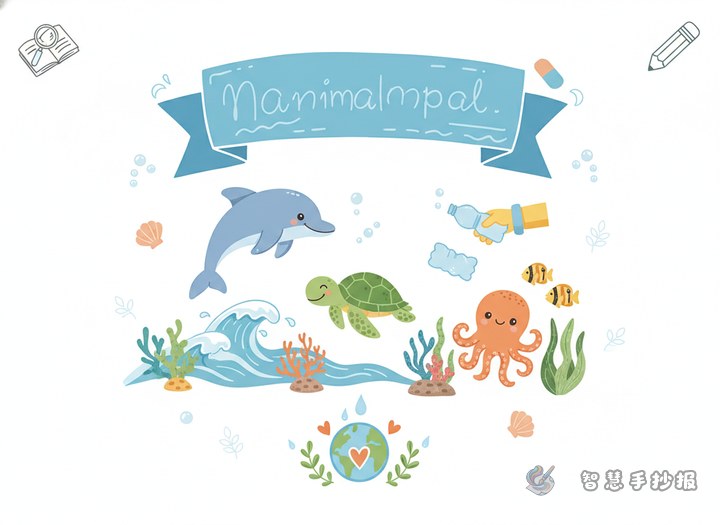
- Write the title in blue or dark green at the top, using thicker letters, and draw a few flying water birds beside it.
- Draw a wavy line at the bottom for water, with lotus leaves, water lilies, and a small duck swimming.
- Draw reeds and cattails on the left and right sides as a natural border, framing the text in the middle.
- If there is empty space, add a round or cloud-shaped box with the words 'Protect wetland animals, starting with me.'
Use mostly blue, green, and light yellow. Blue stands for water, green for grass and reeds, and light yellow for sunlight or mudflats. Limiting the colors to three or four keeps the page clean.
Build Order and Final Check
A good working order is: decide the title and header position, lightly divide the page into three sections with a pencil, draw the main picture, and write the text last. Then check three things: whether the theme stays on wetland animal protection, whether there are spelling mistakes, and whether you included an action section.
If you want to save time on the layout, open the WeChat mini program 'Smart Handwritten Newspaper,' choose a nature protection template, replace it with your own text and animal drawings, and keep improving the details.