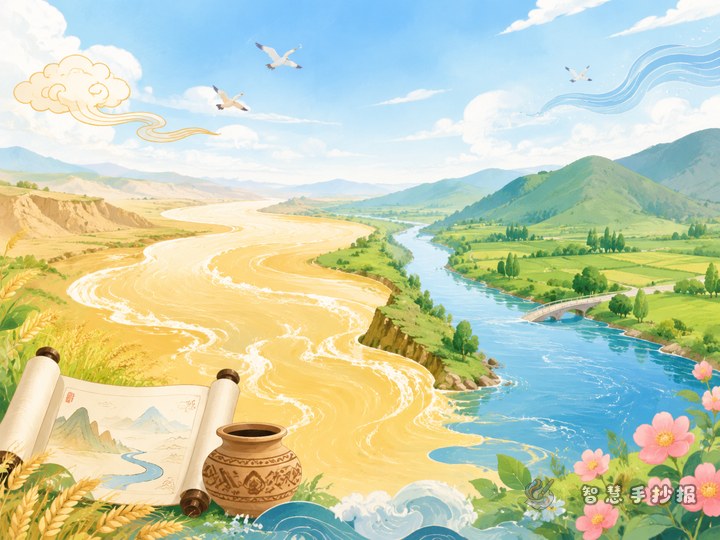
Start by separating two kinds of stories
The most common mistake with this poster is turning the story column into a long essay. Splitting the stories into two groups first makes the whole page easier to plan.
- Yellow River stories: well-known legend types such as flood control, the carp leaping the dragon gate, or how a ferry crossing got its name. Describe the type of story rather than memorising a full plot.
- Hometown stream stories: small real memories such as the old bridge at the village edge, the ferry that once ran there, or a grandparent washing clothes at the water as a child.
Placing the two side by side gives the poster a natural theme: the great river everyone knows on one side, the stream only your town has on the other.
A shortlist of story ideas worth including
When you are stuck, pick two items from this list and you will have enough.
- Flood-control legends: people working out how to live with the water. Focus on the clever idea they used.
- Where a name came from: village, bridge or ferry names are perfect for asking an older relative.
- Old riverside trades: ferrying, fishing, sand collecting, carrying water to fields. One clear action makes a vivid sentence.
- Childhood memories: a first trip to the river, kite flying on the bank, the whole village watching the water rise.
- Stories of change: cleaner water, a new riverside path, an old bridge replaced by a new one.
After each entry, add a small note such as “told by my grandfather” or “told by an elder in the village”. It reads as honest and keeps readers from mistaking a family story for an invented plot.
Three quick patterns that keep stories short
1. The three-sentence story
When, who, and what happened. For example: “My grandmother says there was no bridge when she was small. People crossed by wooden boat, and the boatman was at the ferry before sunrise.”
2. Question and answer
Open with a question, answer in one or two lines. “Why is the river called that? Elders say it is because of a big rock shaped like an ox back at the bend.”
3. Side-by-side contrast
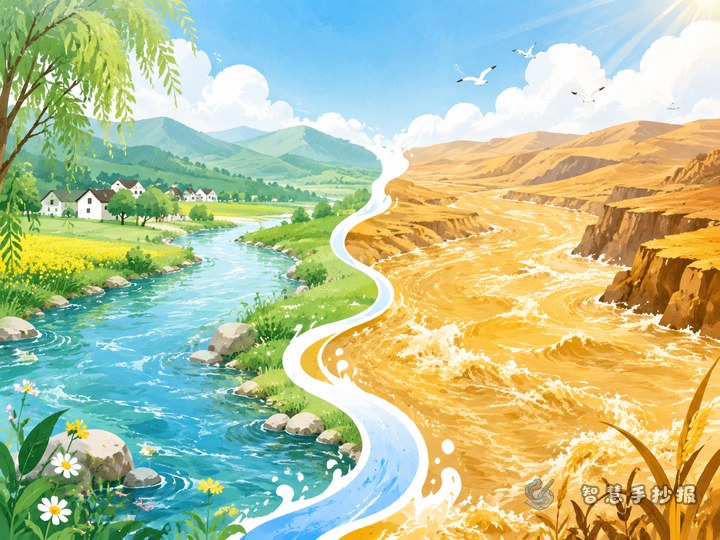
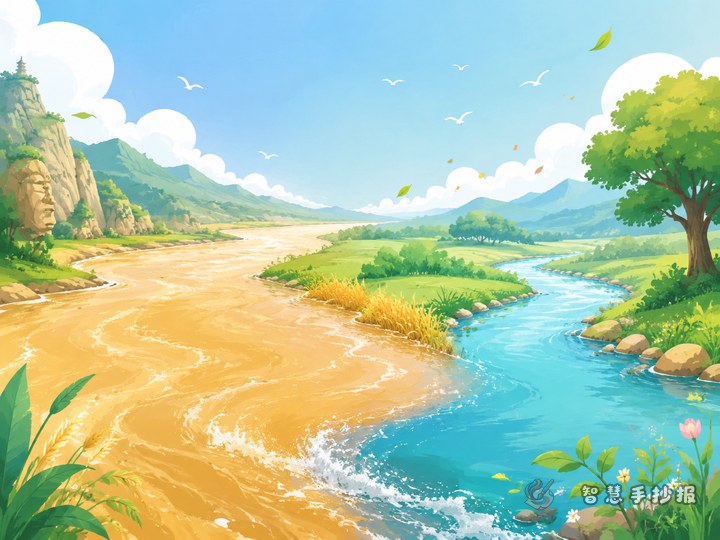
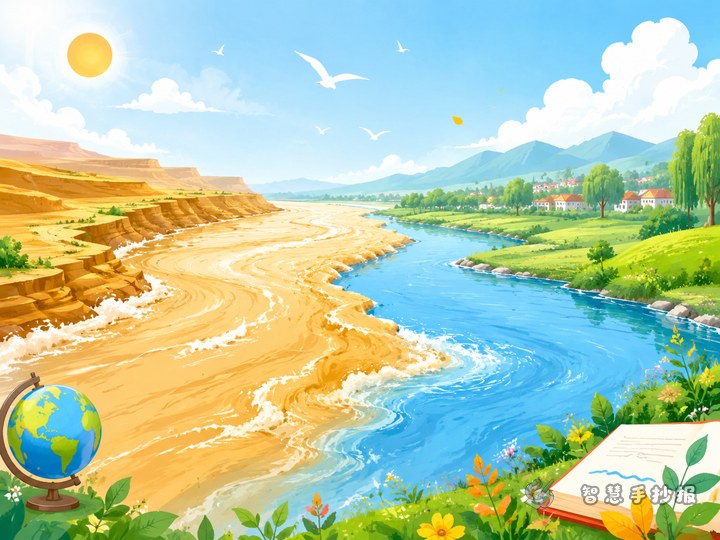
Put a Yellow River legend on the left and a stream memory on the right, divided by a wavy line. Three to five sentences each is plenty, and the page looks balanced.
Setting out the story zone, drawing zone and question zone
Decide the stories first, then draw the boxes. It saves a lot of erasing.
- Story zone in the middle or upper left: about a third of the page, written on ruled lines with generous spacing. Leave some blank space.
- Drawing zone on the opposite corner and along the bottom: waves, bridges, wooden boats, river stones. Use a bolder curve for the Yellow River and a thin line for the stream.
- Question zone in a corner: two or three prompts such as “What is the river near your home called?” or “How is it different from before?”
- Title across the top: a main title plus a subtitle naming your hometown makes the theme clearer.
A ten-minute task before you start drawing
Stories come from asking, not guessing. Before you pick up a pen, ask three family members three questions: how deep was the water when you were young, when was the riverbank busiest, and was there a boat or a bridge? Write their answers as short sentences and copy them straight into the story zone. It is far faster than staring at a blank page.
If you want more story-column layouts and short text boxes to fill in, open the Smart Handwritten Newspaper mini program, choose a layout by theme, drop in the stories you collected, and print the page to trace and colour.