Start with a small and clear focus
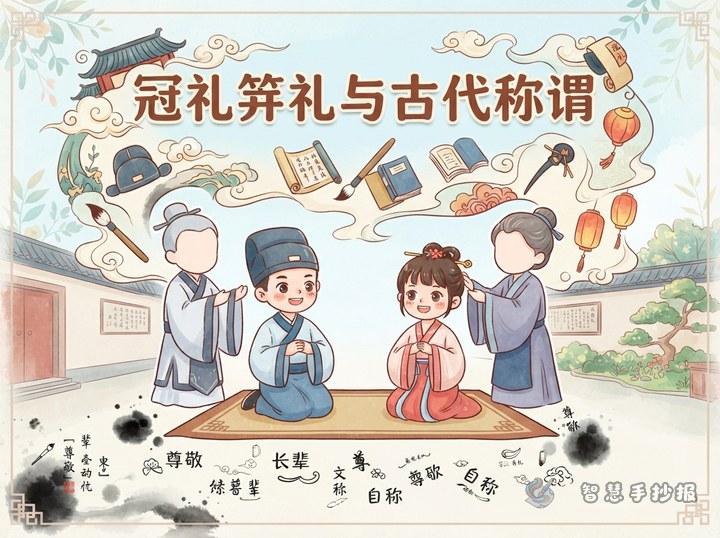
This topic may seem broad at first, so it is better to narrow it down before making the handwritten newspaper. You can choose a clear focus such as how people showed politeness in ancient times, respect in traditional titles, or common traditional forms of address. A smaller focus makes the page easier to organize and more suitable for young students.
If the work is for class, keep the text short and readable. If it is for display, you can add more traditional decorative elements to create a stronger cultural atmosphere.
Text sections you can use directly
Etiquette Basics
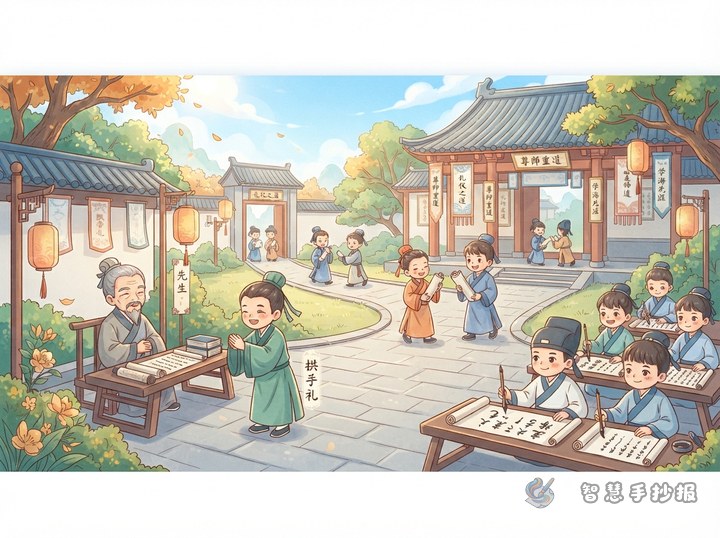
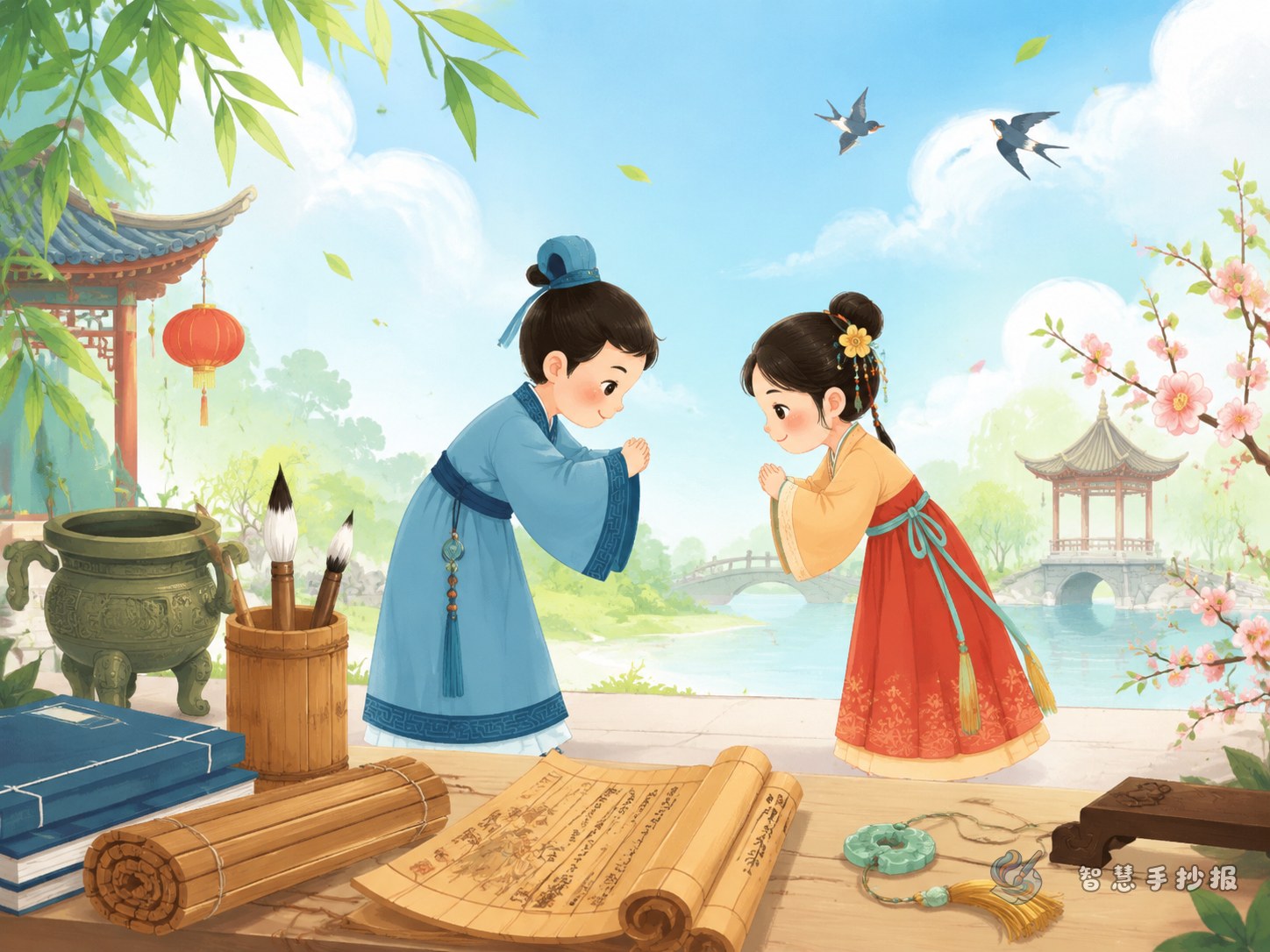
- People in ancient times often greeted others with a clasped-hands gesture to show respect.
- Respecting elders was an important part of traditional etiquette.
- Speech, walking, and seating all reflected good manners and modest behavior.
- Different settings, such as meeting a teacher or welcoming a guest, had different rules of courtesy.
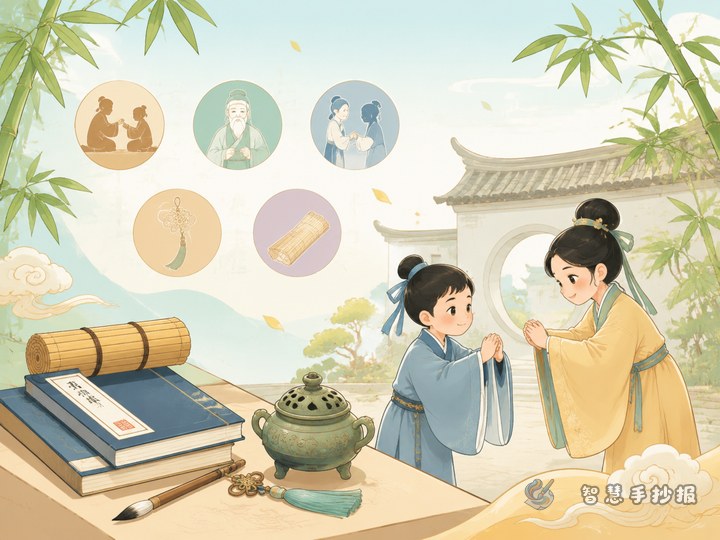
Traditional Title Dictionary
- Father: family father, a humble self-reference in old usage.
- Mother: family mother, a humble self-reference in old usage.
- Another person’s father: a respectful title similar to “your honored father.”
- Another person’s mother: a respectful title similar to “your honored mother.”
- Teacher: teacher or gentleman.
- Self-reference: younger student or humble speaker in formal old-style language.
Mini Dialogue Corner
You can turn the facts into short dialogue examples to make the page more vivid. For example: “When meeting a teacher, greet first and speak respectfully.” “When writing a letter, use respectful titles to show courtesy.” These sentences fit well inside speech bubbles or scroll-style boxes.
Do not overcrowd the page
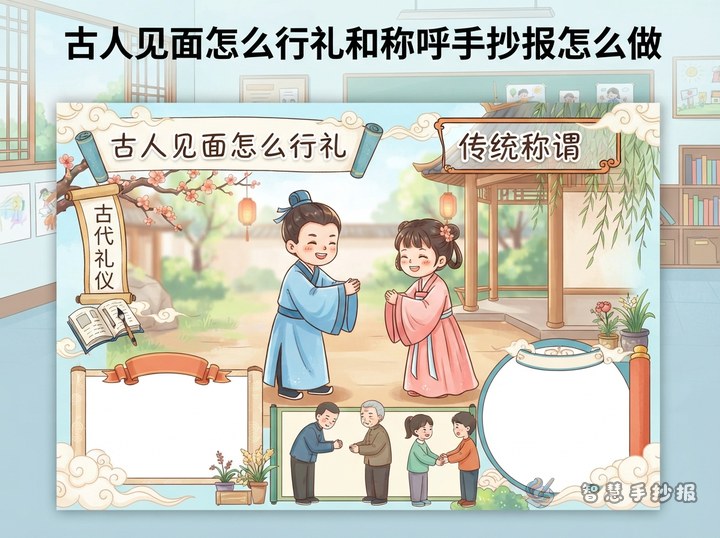
This kind of handwritten newspaper looks especially good with a traditional layout. Place the main title at the top center, then decorate it with cloud patterns, scrolls, folding fans, or window-style borders. Divide the page into three or four content areas so it does not become too text-heavy.
- Put a large title at the top, such as “How Much Do You Know About Ancient Etiquette?”
- Use the left side for etiquette rules and the right side for forms of address.
- Add a bottom section like “What I Learned About Politeness.”
- Fill small blank spaces with seals, lanterns, bamboo slips, or line decorations.
Soft beige, light brown, dark red, and muted green are good color choices because they create a traditional feeling without making the page too heavy.
The easiest way to make it stand out
If you worry that the content may become too difficult, choose ideas connected to daily life. Respecting elders, greeting politely, speaking modestly, and using proper titles are all easy to understand and still closely related to traditional culture. Teachers often appreciate projects that combine cultural knowledge with everyday manners.
- Compare ancient etiquette with modern politeness in one small section.
- List respectful terms and humble terms separately for easy reading.
- Add a short reflection, such as “Etiquette makes human relationships warmer.”
A simple ending works best
The ending does not need to be long. Two or three sentences are enough. For example: Traditional etiquette was not only a set of old rules, but also a reminder to respect others in daily life. Traditional forms of address may sound old-fashioned, yet they carry rich ideas of courtesy and respect.
If you want to refine the title style, content blocks, or traditional color scheme, you can continue designing the project in the Zhihui Shouchao Bao WeChat mini program.