Begin with a Question About a Cut Apple
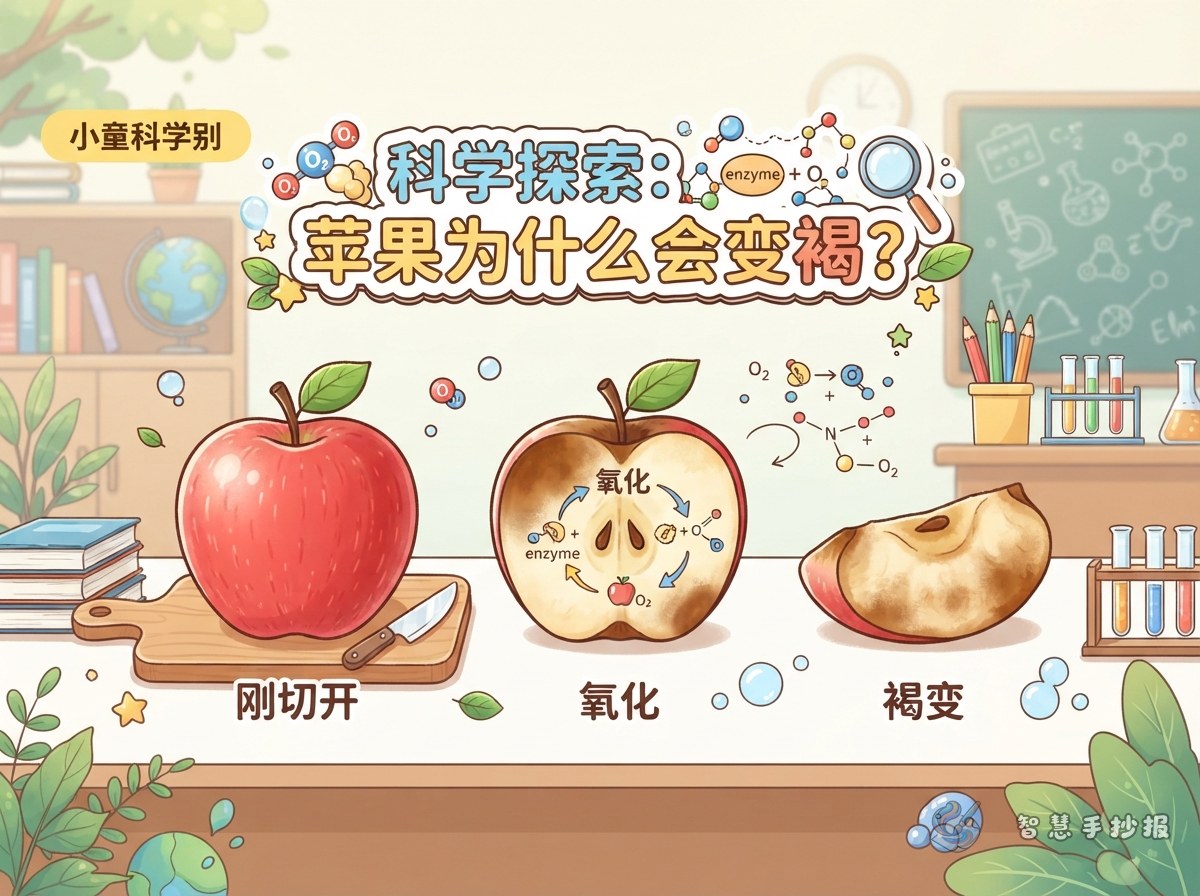
Build the handwritten newspaper around the question, “Why does a cut apple turn brown?” Draw a sliced apple in the center: one half is still pale and the other shows brown patches. Add three eye-catching words—air, change, and oxidation—so readers understand the topic at once.
The flesh of an apple is normally protected by its cell structure. When the apple is cut, the cells are damaged and some substances come into contact with oxygen in the air. With the help of enzymes, oxidation takes place and brown substances gradually form. The apple has not suddenly become dirty; it is showing a familiar chemical change.
Four Sections for a Clear Science Story
- What I Observed: Record the apple’s color just after cutting, then describe how it changes from pale to light brown and darker brown.
- Why It Changes Color: Cutting exposes the flesh to air. Oxygen takes part in the reaction, and new brown substances appear.
- A Simple Comparison: Draw two apple pieces. Leave one uncovered and loosely cover the other with plastic wrap, then compare how quickly their colors change. An adult should help with the knife and observation. Do not eat apple pieces that have been left out for a long time.
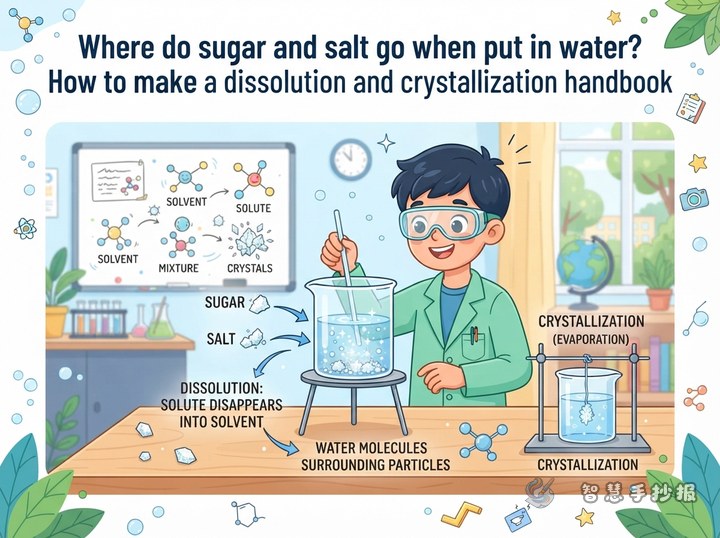
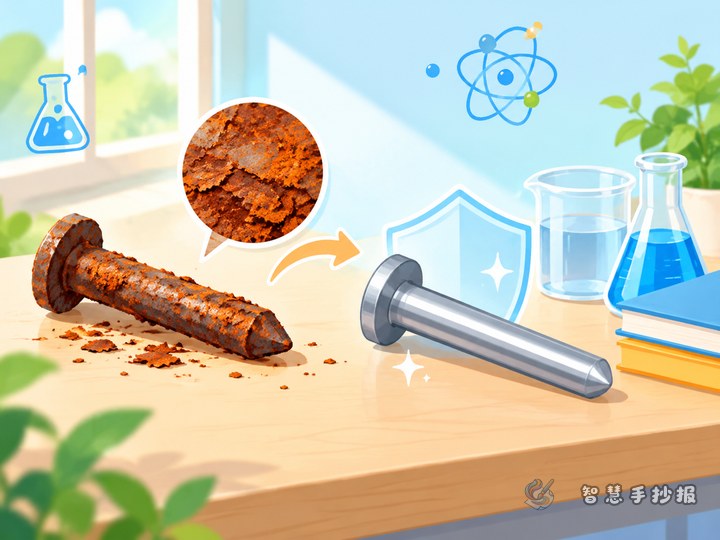
- My Chemistry Discovery: Oxidation does not happen only in a laboratory. Changes in fruit color and rust on iron objects can also help us understand changing materials.
Add a short sentence such as, “When we notice a color change, we can look for the reason behind it.”
Try an Apple-Core Layout
Draw the sliced apple or its core in the middle, then arrange four sections around it like the lines in an apple. Place “Why Does It Turn Brown?” at the top, “Observation Notes” on the left, “A Small Comparison” on the right, and “Oxidation in Daily Life” at the bottom. Keep each section brief so the page does not look crowded.
Use apple red, flesh yellow, leaf green, and light brown. Outline the title in deep brown or green, and use brown mainly in the changing area of the apple. Arrows can lead from “cutting” to “contact with air” and then to “brown color,” helping readers follow the process.
End with Everyday Observations
Create a small “Daily Life Observer” box at the bottom. Add other changes you have noticed, such as iron objects slowly rusting or food changing color after being left out. Remind readers to keep observations clean and safe, never taste experimental materials casually, and never use a knife without adult help.
After preparing the words and drawings, you can open the WeChat mini program “智慧手抄报” to explore suitable layout ideas, organize the sections, and finish your own apple-oxidation handwritten newspaper according to the paper size.