Start by splitting the topic into four easy sections
When making a campus energy-saving handwritten newspaper, the biggest problem is often a messy layout or scattered ideas. A simple solution is to divide the page into four clear sections.
- Why energy saving matters: briefly explain why saving resources and protecting the environment are important.
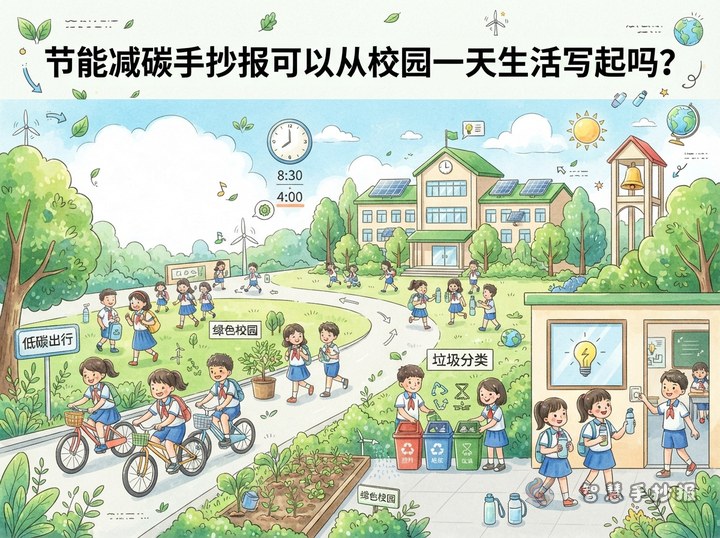
- Green actions at school: focus on real places such as classrooms, hallways, the cafeteria, and the playground.
- Small habits students can follow: list practical actions children can do every day.
- A green slogan or pledge: place it in a visible area to strengthen the theme.
This structure works well for both horizontal and vertical page layouts and makes the content easy to arrange.
Find writing material in everyday school life
You do not need complicated information for this topic. Most useful ideas come directly from everyday campus experiences.
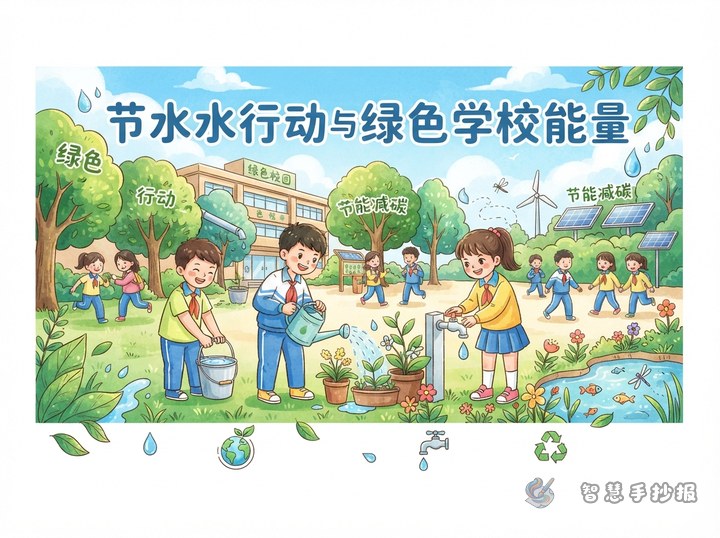
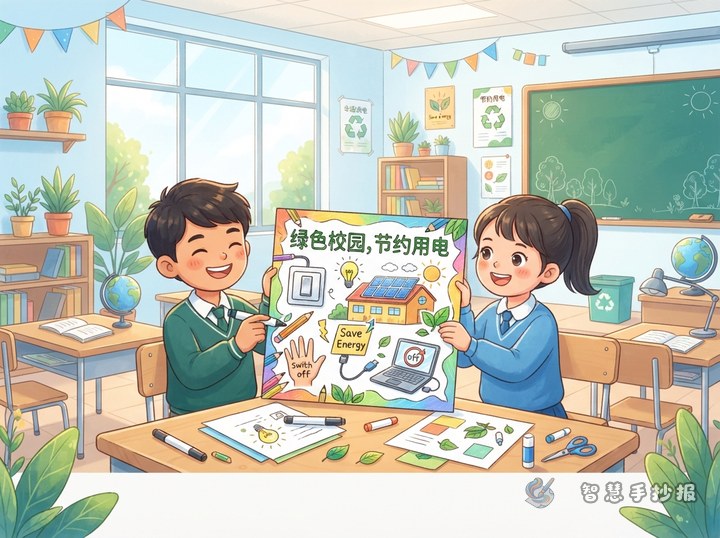
- In the classroom: turn off lights when leaving, use natural light in the daytime, and take care of electrical equipment.
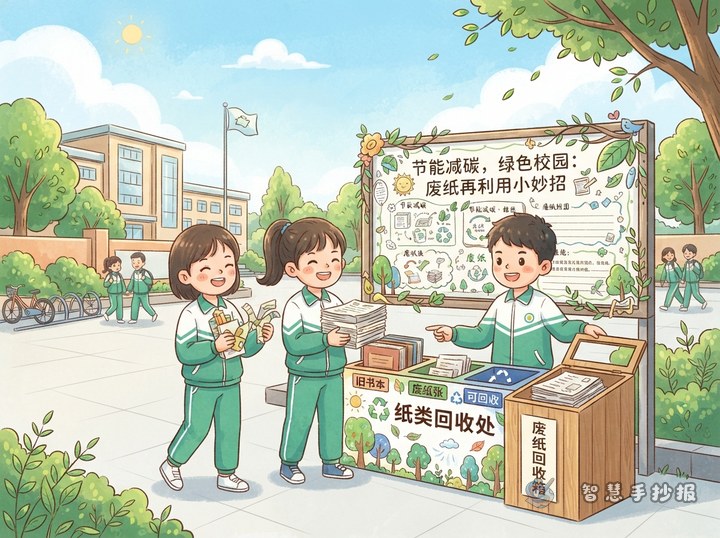
- With paper: reuse draft paper, avoid waste, and write on both sides when possible.
- With water: turn off the tap tightly and report leaks in time.
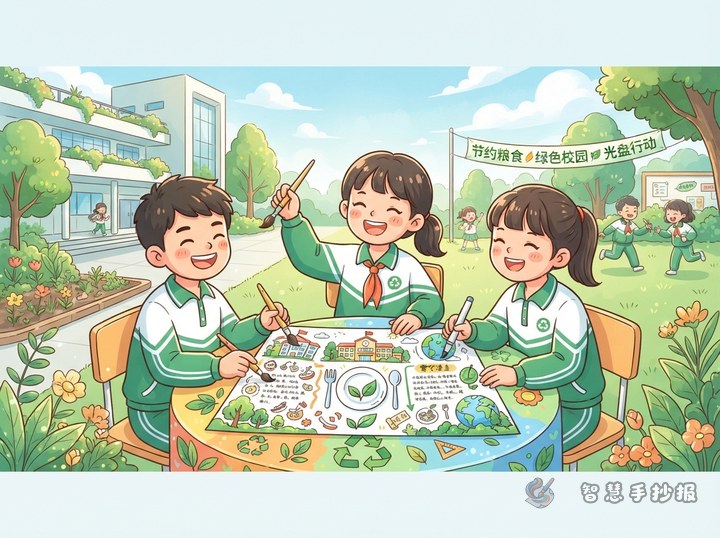
- In the cafeteria: value food, reduce waste, bring your own cup, and avoid disposable items.
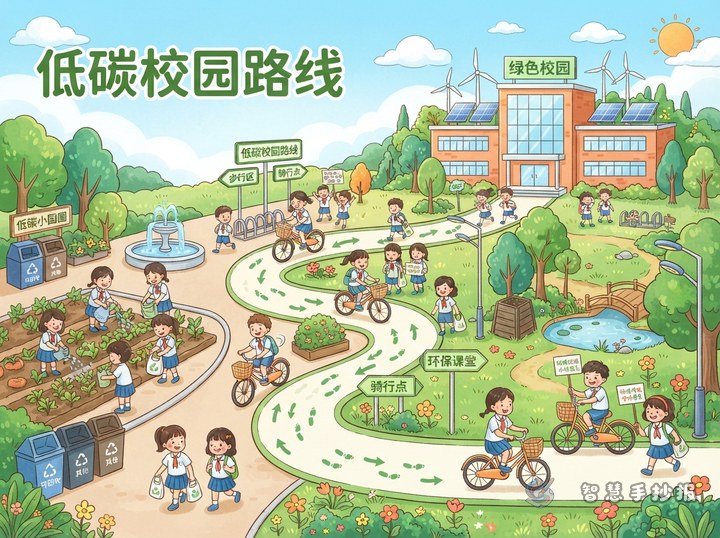
- On campus: do not litter, sort trash properly, and protect flowers, trees, and grass.
- For travel: encourage walking, cycling, or shared transport when possible.
You can also add short lines such as “Saving one sheet of paper helps protect more green space” or “Turning off the lights is a simple low-carbon action.”
Useful mini-headings you can place on the page
Small section titles help the handwritten newspaper feel complete. These heading ideas fit the theme well:
- Green Campus in Action
- Energy-Saving Facts
- Low-Carbon Life Starts with Me
- Good Eco Habits at School
- Did You Save Today?
- Doing My Part for Carbon Reduction
Use a few bright but calm colors, such as green, blue, and yellow, to keep the page fresh and neat.
Keep the layout simple but clear
The most practical layout is often a large central title with content blocks placed around it. Put the main title at the top or center, then arrange the sections around it.
Easy layout ideas for students
- Write a bold title at the top and decorate it with the sun, clouds, or leaves.
- Place facts on one side and daily school actions on the other.
- Use vines, recycling arrows, or water-drop lines to separate content areas.
- Leave some blank space so the page does not look crowded.
If your text is short, use small drawings and borders to make the page feel fuller without making it messy.
Decorations that quickly show the green campus theme
You do not need difficult drawings. A few simple symbols can already make the theme clear.
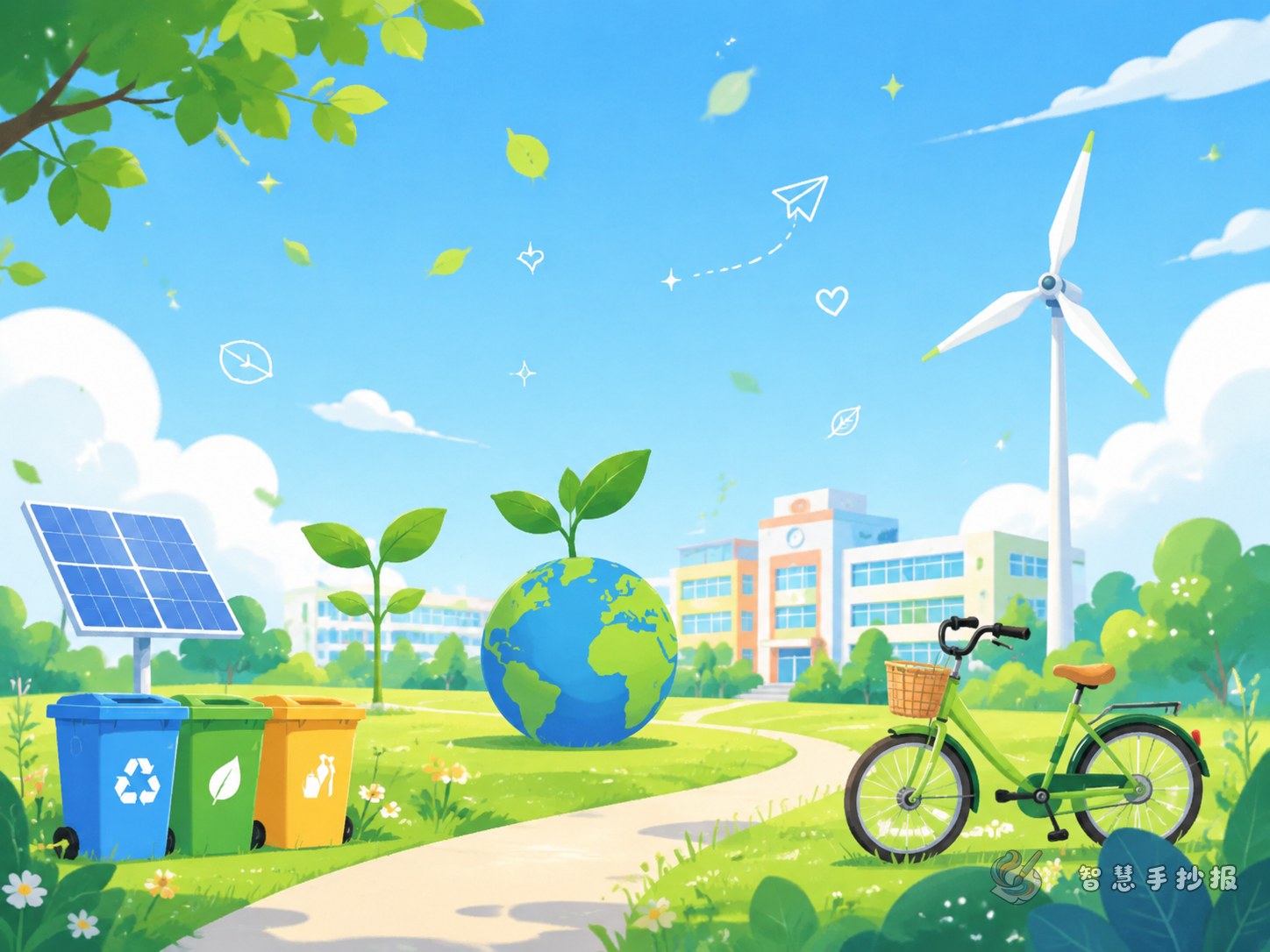
- Leaves, grass, and sprouts for growth and nature.
- The Earth, sun, and clouds for environmental meaning.
- Light bulbs, plugs, and water drops for saving energy and water.
- Recycling signs and sorting bins for eco-friendly action.
- School buildings and students to highlight the campus setting.
Keep decorations small and meaningful so they support the text instead of taking over the page.
End with a short call to action
A good ending gives the handwritten newspaper a stronger message. You can close with a pledge, a short summary, or a simple slogan.
Example ending: “A green campus grows through everyone’s effort. Let us start by saving one unit of electricity, one drop of water, and one sheet of paper every day.”
If you already have your sections and writing ideas ready, you can also continue arranging the full poster in the Zhihui Shouchaobao WeChat mini program and turn your plan into a finished work more easily.