Why an Observation Table Helps Your Plant Poster
A campus plant observation and planting record poster can easily become a wall of text. An observation table solves that problem by lining up the key information: which day it is, what you saw, and how it changed from last time. Readers can follow the plant's growth at a glance, and the poster keeps a clear order instead of turning into a long essay.
Before you start, choose one common campus plant with visible changes, such as mung beans, garlic, pothos, balsam, or sunflowers. Designing a table around one plant is much easier than trying to record many plants at once.
Choosing the Right Columns
More columns do not always mean a better table. Match the columns to your observation goal and the space you have.
- Date: Write “Day 1,” “Day 3,” or real dates, but keep the style consistent.
- Weather or light: Note sunny days, cloudy days, and watering so you can explain changes later.
- Plant part: Root, stem, leaf, flower, or fruit. Be clear about what you are watching.
- Changes: Use short phrases for color, shape, number, and height.
- My discovery: Add a guess or feeling, such as “the leaves are turning toward the window.”
For younger students, keep it simple with date, what I saw, and how I felt. Older students can add height, leaf count, and color changes. Leave one row at the bottom for a short summary of the most important finding.
Table Styles That Fit a Handwritten Newspaper
Your table does not have to look like a plain grid from a notebook. Try one of these shapes to match your poster theme.
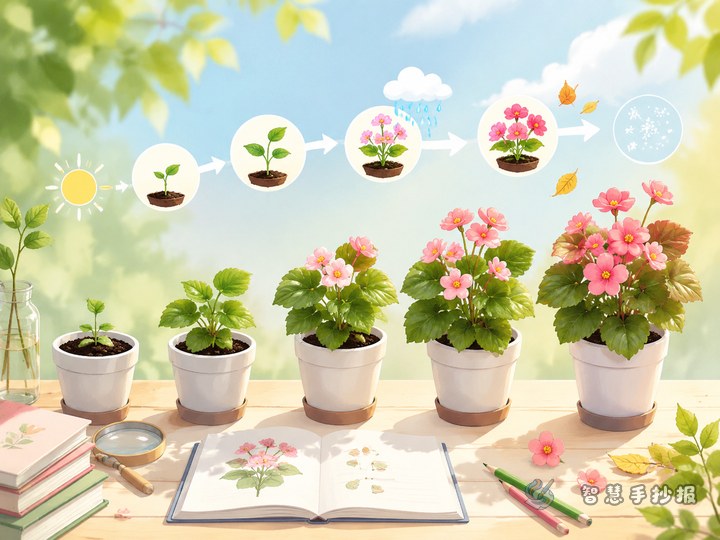
- Step table: Shift each row slightly to the right, like a plant growing taller. This works well for height records.
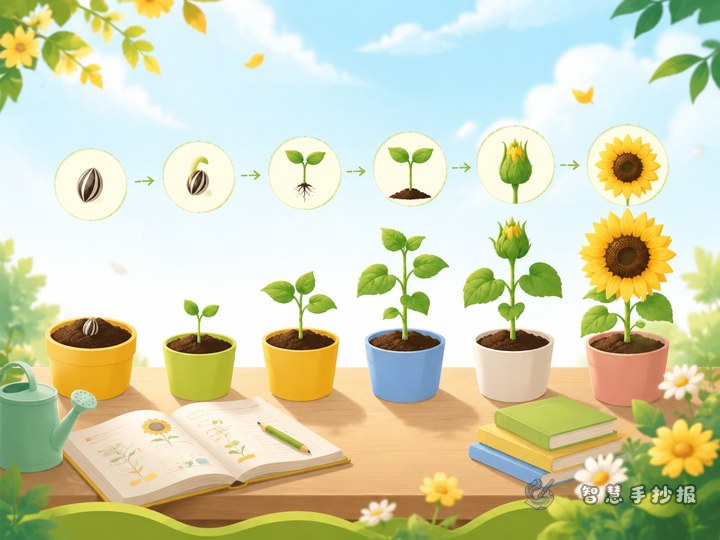
- Timeline table: Draw a horizontal or curved line and mark dates on it. Write observations above and below the line. This is great for sprouting, leafing, and blooming.
- Leaf-shaped table: Draw the outer frame as a large leaf and use the veins as dividers. It fits a campus plant theme beautifully.
- Comparison table: Place two plants side by side and compare how light or watering makes a difference.
Sketch the table lightly in pencil first, making sure each cell can hold a short phrase. Then outline it with a ruler or by hand. Use green or brown for the border, but keep the lines thin so the writing stays readable.
Text and Notes to Place Around the Table
The table keeps things clear, while nearby text makes the poster warmer and more personal. Try adding these sections:
- Short observation diary: Pick one day and write three to five sentences, such as “Today I saw a crack in the mung bean skin, and a small white sprout was peeking out.”
- Planting steps: Use short phrases like “choose seeds, soak, plant, water, give sunlight.”
- My questions: Write “Why do leaves bend toward the light?” or “What happens if I water too much?”
- Plant facts: Add one or two sentences about the plant's name, habits, and care. Do not copy long paragraphs from a book.
Place these notes to the left or below the table, and give each a different colored heading. To make the layout livelier, put “My questions” in a speech bubble or draw the planting steps as small footprints or water drops.
Layout Tips for Table, Text, and Drawings
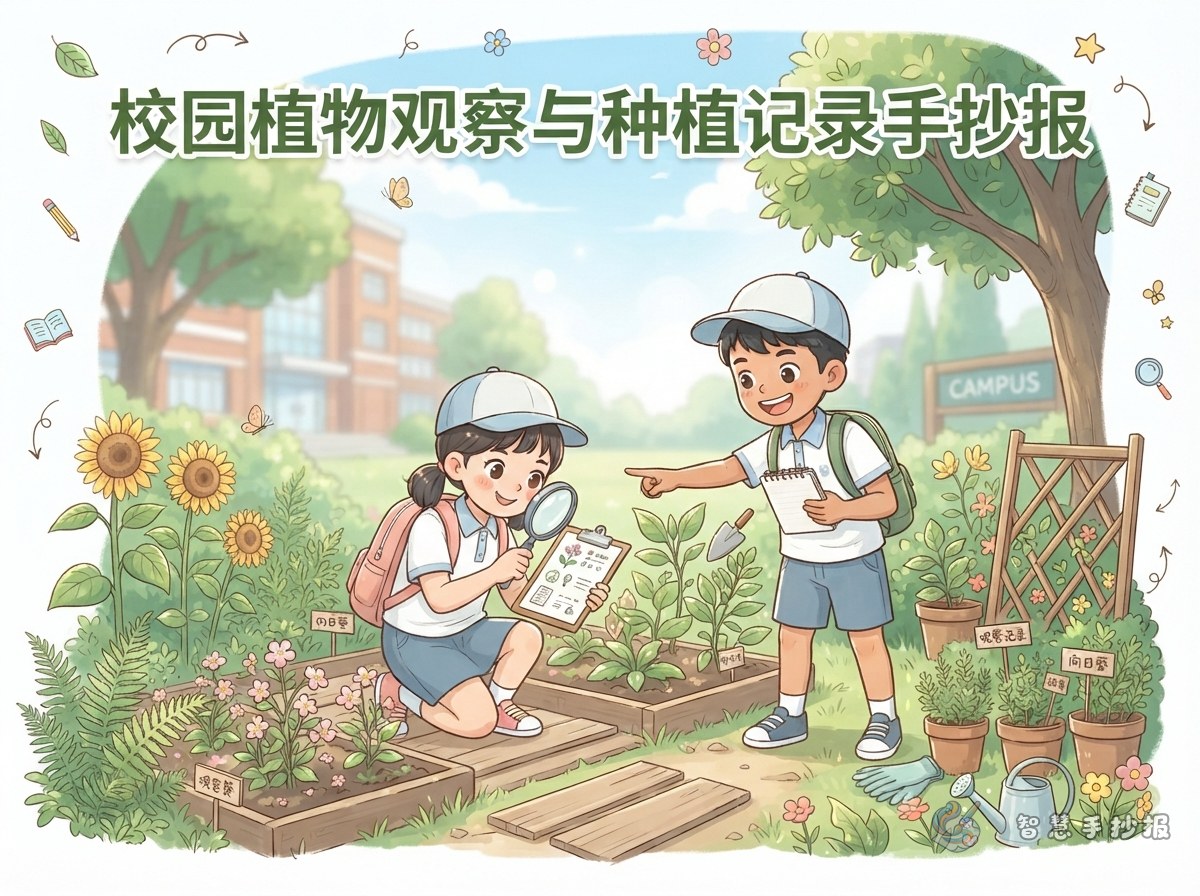
Use a pencil to divide the paper into three areas: title area, table area, and text and drawing area. Write a large title such as “Campus Plant Observation Record” at the top. Put the table in the middle or slightly left, taking up one third to one half of the page. On the right side, place the observation diary, plant facts, and a simple drawing. Keep drawings simple, such as a plant growing from seed, or tools like a magnifying glass, watering can, and small shovel.
For colors, use dark green or brown for the table lines, black or dark blue for writing, and orange or red for the most important changes. Limit the poster to two or three main colors so it looks tidy.
Small Details That Make a Big Difference
- Write the table text small and neatly. Always do a pencil draft before tracing.
- Keep the date order consistent. Do not switch between “Day 1” and “March 5.”
- Use words you can actually see, such as “taller,” “turned yellow,” or “two new leaves.”
- Leave some empty space. A table does not need to be filled to the edges, and white space helps the page breathe.
- When you finish, ask a classmate or parent to read it. Can they find the plant's changes at a glance?
If you want to save time and make the layout more complete, open the WeChat mini program “Smart Handwritten Newspaper.” Choose a plant observation and planting record theme, add more columns and text ideas, and adjust the layout to fit your paper size.