Start with a study-trip angle
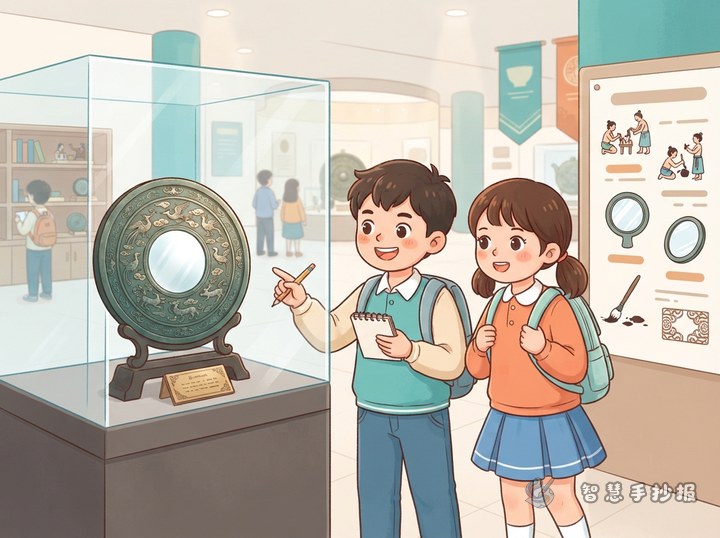
For a first museum handwritten newspaper, the best theme is not simply “I visited a museum,” but “What I learned from my first museum study trip”. This gives the page a clear purpose and makes it easier for students to organize ideas into small sections.
You can shape the page around preparation, observation, museum manners, relic knowledge, and personal reflection. This creates both learning value and a strong sense of participation.
Simple sections that are easy to fill
Before the visit
- What should we prepare before entering a museum?
- Why do we need to follow the guide or teacher?
- What tools are useful, such as a notebook or pencil?
What I saw in the museum
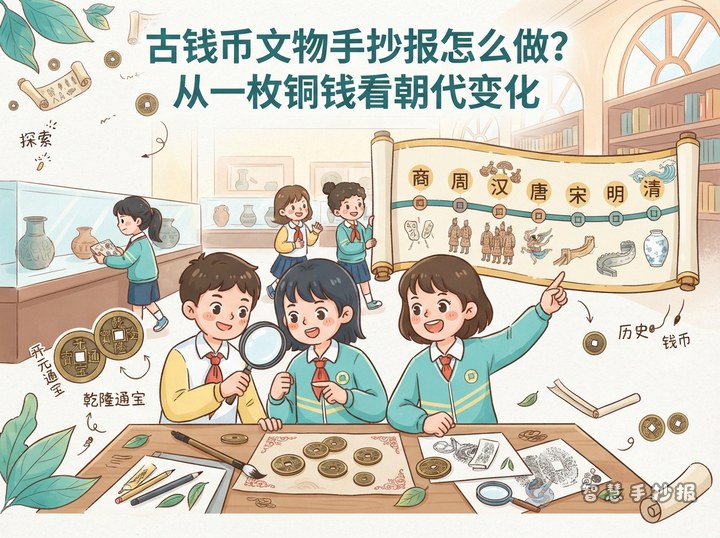
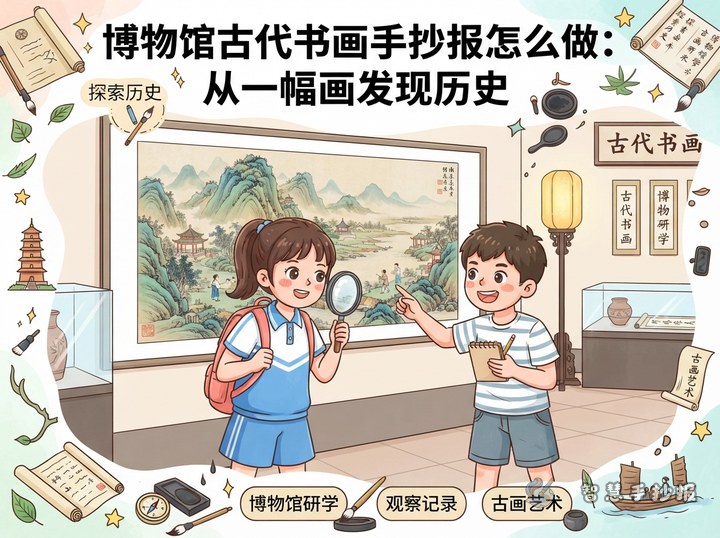
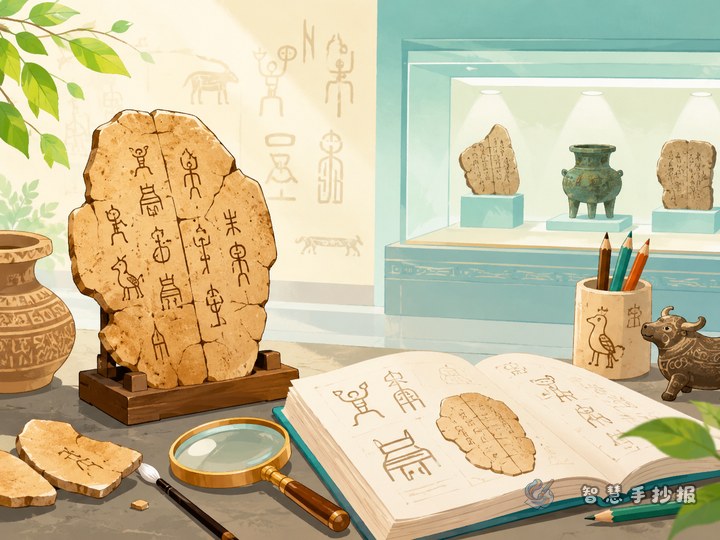
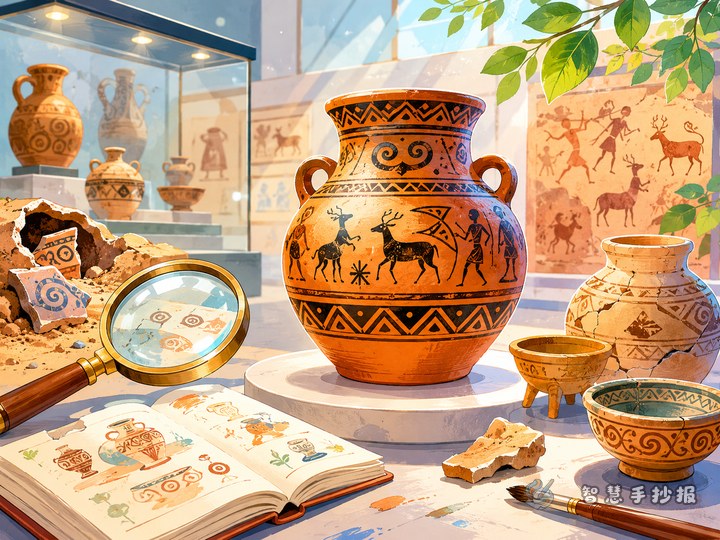
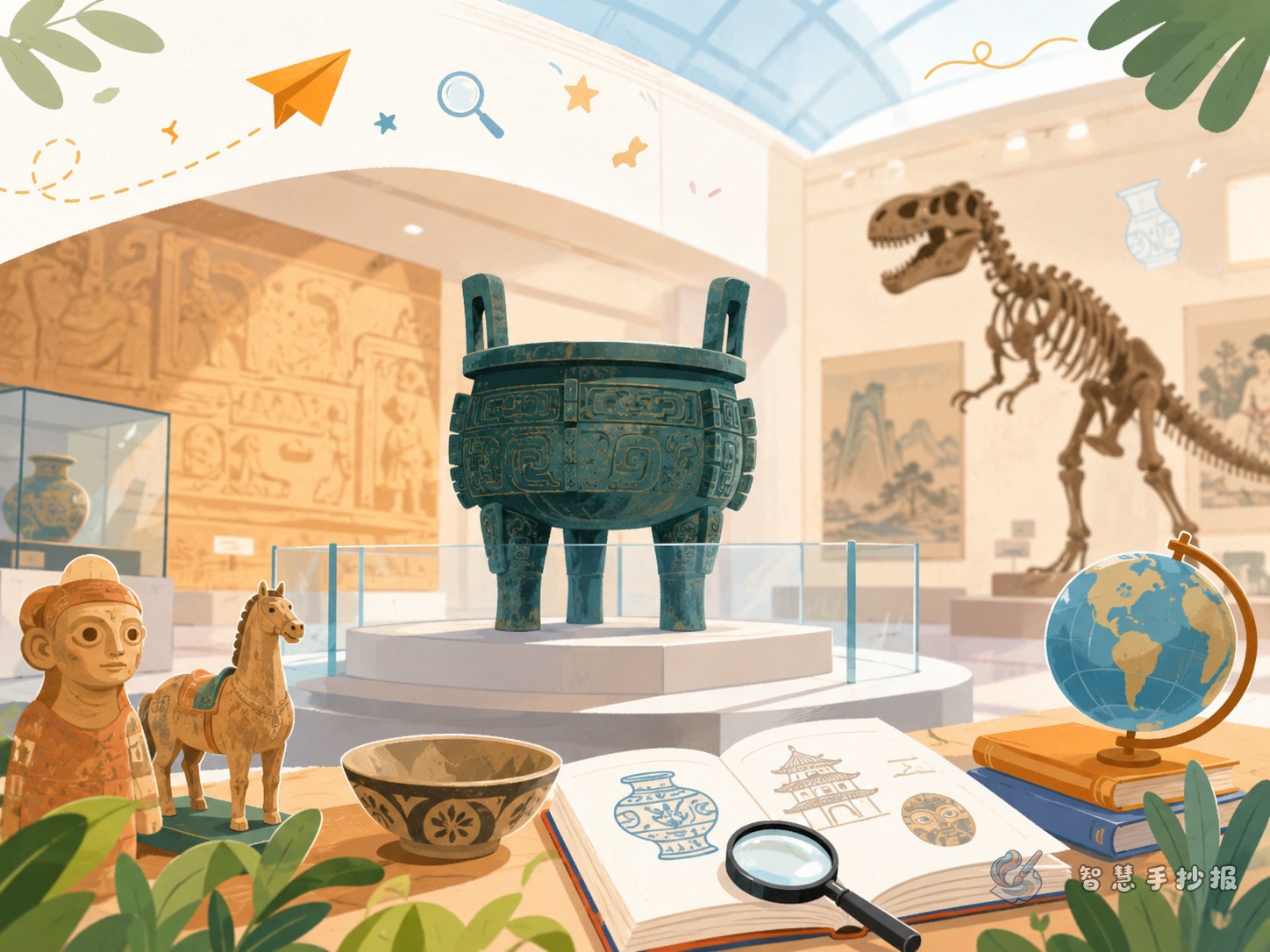
- Pottery, bronze ware, paintings, calligraphy, coins, or tools
- How old the objects may be
- What different relics can tell us about history
My favorite exhibit
Choose one object and write about its shape, color, pattern, use, or the story behind it. A short personal description makes the newspaper more vivid.
Useful text materials for the page
You can include short lines such as: the museum is a place that protects history; relics are witnesses of the past; careful observation helps us understand ancient life; civilized visiting shows respect for culture.
If you want stronger content, add a short knowledge box explaining what cultural relics are, why museums matter, and how study trips help students connect textbooks with real objects.
Make the layout feel like a museum
Use a large title at the top, then divide the page into four or five uneven sections. This makes the page look lively instead of stiff. Borders can be designed with ticket shapes, exhibit labels, scroll lines, or simple ancient patterns.
- Title area: bold and centered
- Main text areas: short paragraphs plus bullet points
- Decorative corners: pottery, bronze motifs, or museum icons
- Color plan: beige, brown, dark green, and light blue
Show both knowledge and reflection
A strong museum study-trip newspaper should not only list facts. It should also show what the student noticed and felt. You can write about how seeing real relics is different from reading about them in books, or why protecting cultural heritage is important.
This balance between facts and reflection makes the work more complete, especially for school assignments and classroom display.
Ways to improve the final result
Before finishing, check whether the page has a clear theme, readable handwriting, enough spacing, and matching decorations. Keep each paragraph short so the content stays easy to read.
If you want to continue polishing the design, organizing sections, or expanding text materials, you can also use the Zhihui Shouchaobao mini program on WeChat to complete your museum-themed handwritten newspaper more efficiently.