Choose a clear theme: wisdom of astronomy inside the solar terms
If the handwritten newspaper should feel informative but not too difficult, the 24 solar terms are an excellent starting point. They are not just seasonal names. They reflect how ancient Chinese people observed the sun, natural change, and the rhythm of the year. This makes the topic a natural bridge between astronomy and calendar knowledge.
A main title could be “How Ancient People Understood a Year Through the 24 Solar Terms” or “Ancient Calendar Wisdom in the Solar Terms.” A short subtitle can explain that the page focuses on ancient Chinese astronomy and traditional calendars.
Useful sections that are easy to organize
Section 1: What are the 24 solar terms?
Start with a short explanation. The 24 solar terms are a traditional time system formed through long-term observation of the sun’s movement and seasonal changes. They helped people understand climate patterns and arrange agricultural work.
Section 2: Six solar terms in each season
This section looks neat when divided into spring, summer, autumn, and winter. Students do not need to write long paragraphs. Listing the terms and adding one or two short notes for each season is enough.
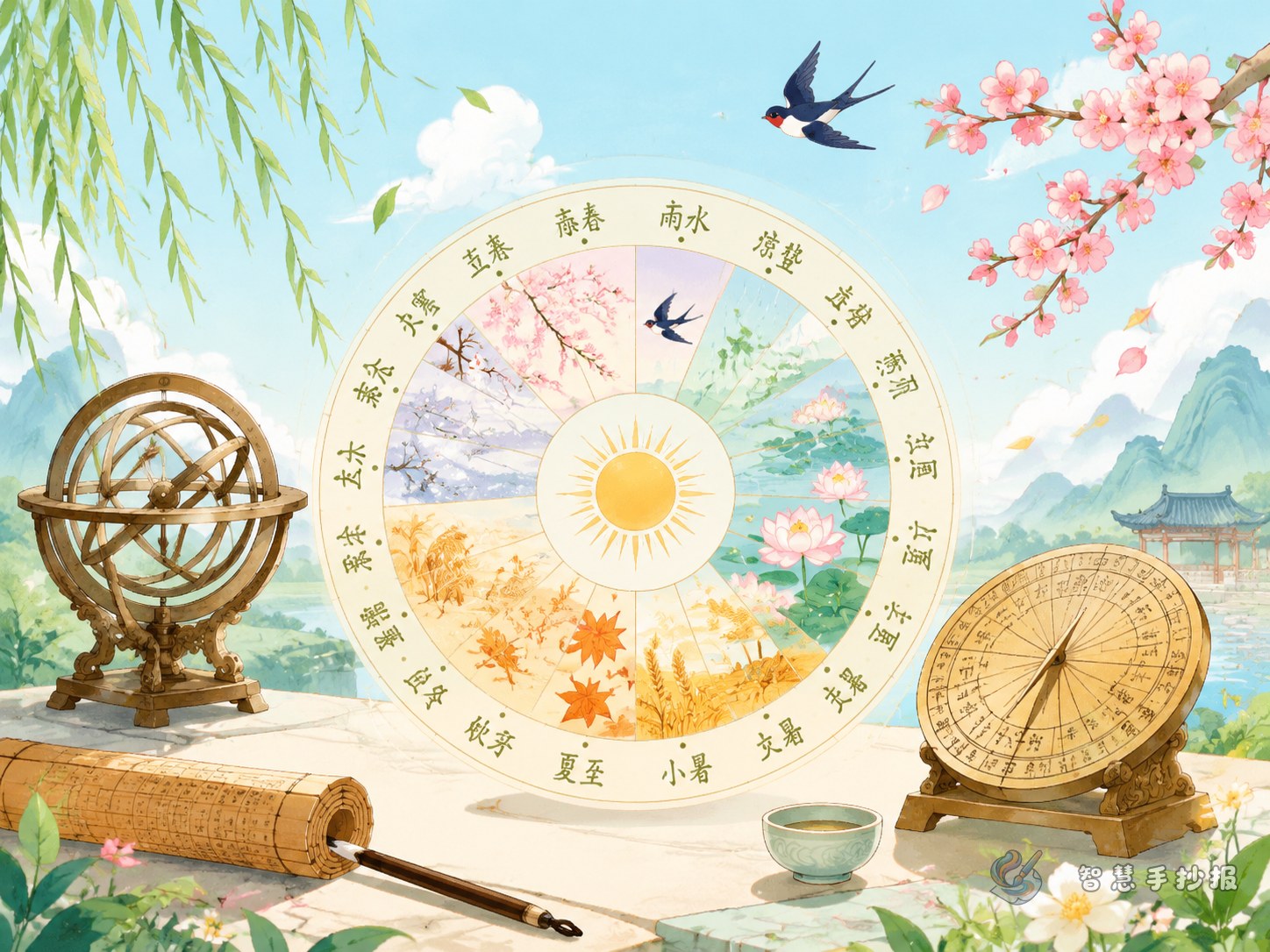
- Spring: Beginning of Spring, Rain Water, Awakening of Insects, Spring Equinox, Clear and Bright, Grain Rain
- Summer: Beginning of Summer, Grain Full, Grain in Ear, Summer Solstice, Minor Heat, Major Heat
- Autumn: Beginning of Autumn, End of Heat, White Dew, Autumn Equinox, Cold Dew, Frost Descent
- Winter: Beginning of Winter, Minor Snow, Major Snow, Winter Solstice, Minor Cold, Major Cold
Section 3: How did ancient people observe the sky?
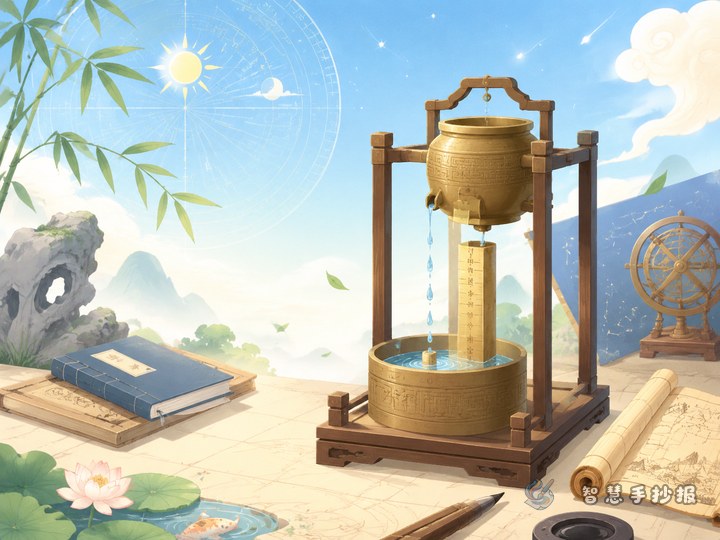
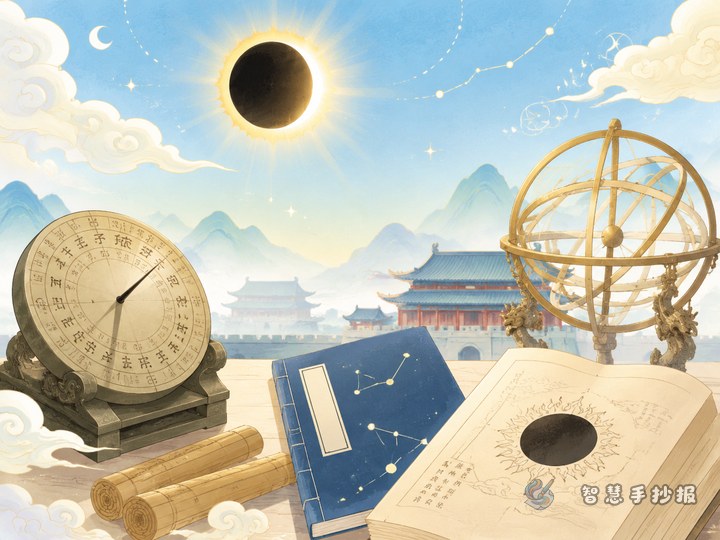
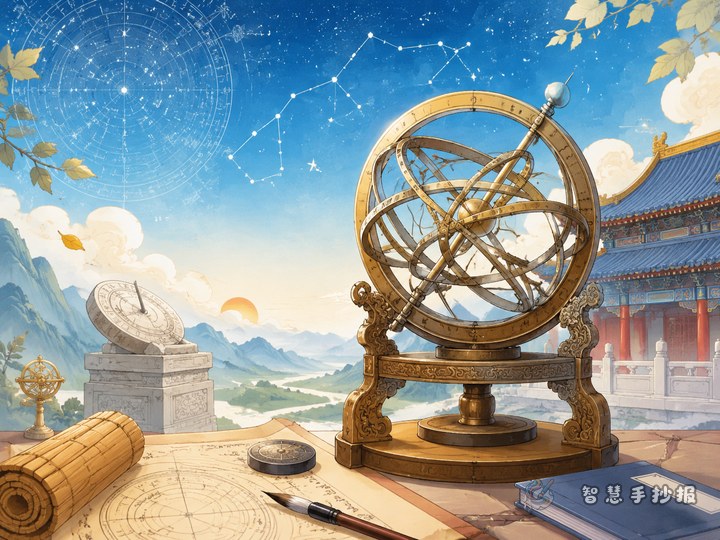
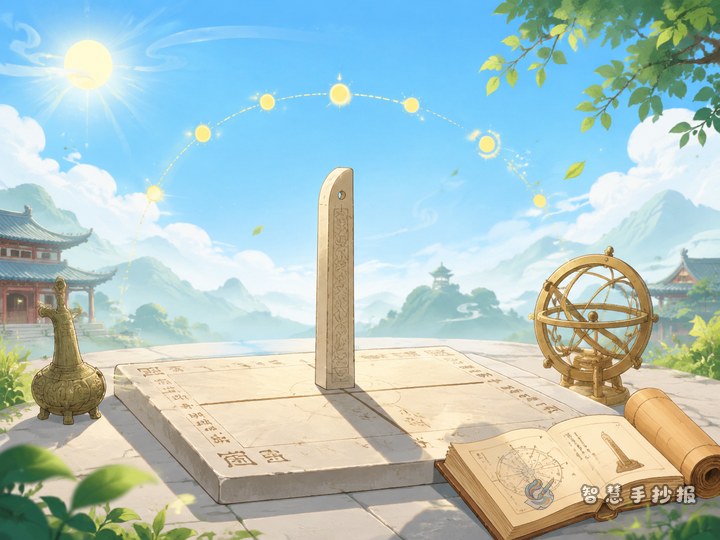
This part can mention shadow length, changes in daylight, temperature shifts, and natural signs. The goal is not to be overly technical, but to show that the solar terms came from careful observation and practical wisdom.
Short writing materials for the page
A handwritten newspaper needs concise text. These short lines are useful for side boxes, captions, or highlighted notes:
- The 24 solar terms were an important way for ancient people to understand time.
- The system reflects the relationship between the sun and the seasons.
- Ancient observers turned natural patterns into calendar knowledge.
- The solar terms guided both farming and daily life.
- From Beginning of Spring to Major Cold, the whole year unfolds in order.
You can also add vivid facts such as “At the Spring Equinox, day and night are nearly equal” or “The Winter Solstice has the shortest daytime.” These details make the newspaper more readable.
A layout idea that feels lively and thematic
This topic works especially well with a time-based design. Put a sun or circular seasonal chart in the center, then divide the outside into four seasonal parts. The page will look like the year is moving in a circle, which matches both astronomy and calendar ideas.
- Center: title and one-sentence theme statement.
- Upper left: what the solar terms are.
- Upper right: how ancient people observed the sky.
- Bottom area: four seasons with grouped solar terms.
- Corners: short facts, small notes, or decorative symbols.
If a circular design feels difficult, a vertical timeline from Beginning of Spring to Major Cold is also a strong choice.
Colors and illustrations that fit the topic
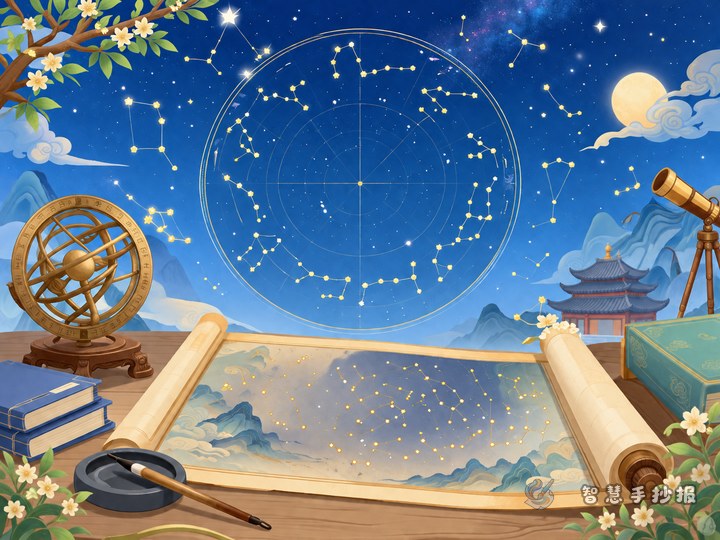
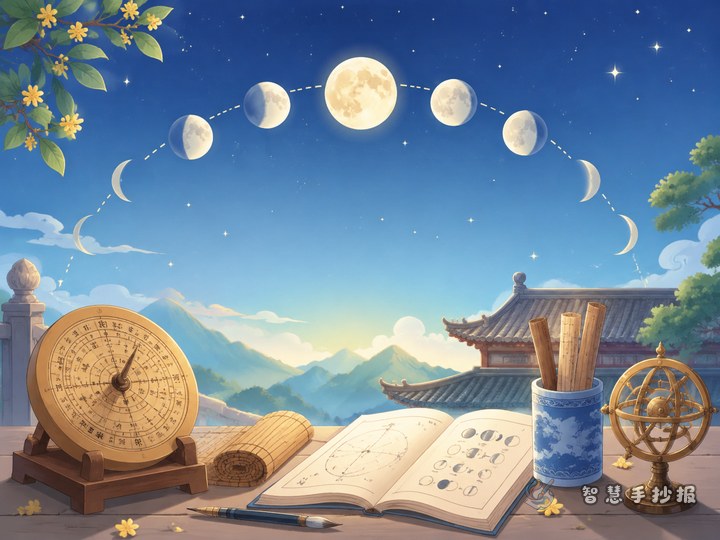
You do not need complicated drawings. Use deep blue for the sky, golden yellow for the sun and seasonal rhythm, and fresh green for growth and change. Small decorative elements can include the sun, moon, stars, clouds, grain, snowflakes, or simple instruments linked to ancient observation.
Try not to write long paragraphs for every solar term. A better method is “name plus one short explanation.” This keeps the page clean and easy to read.
A simple ending for students
The closing can say that the 24 solar terms show how ancient Chinese people observed the sky and used natural规律 in everyday life. This gives the page a complete ending and connects the topic back to traditional wisdom.
If the topic is ready but the page arrangement still feels difficult, students and parents can continue organizing colors and sections in the Zhihui Shouchaobao WeChat mini program for a more polished final result.