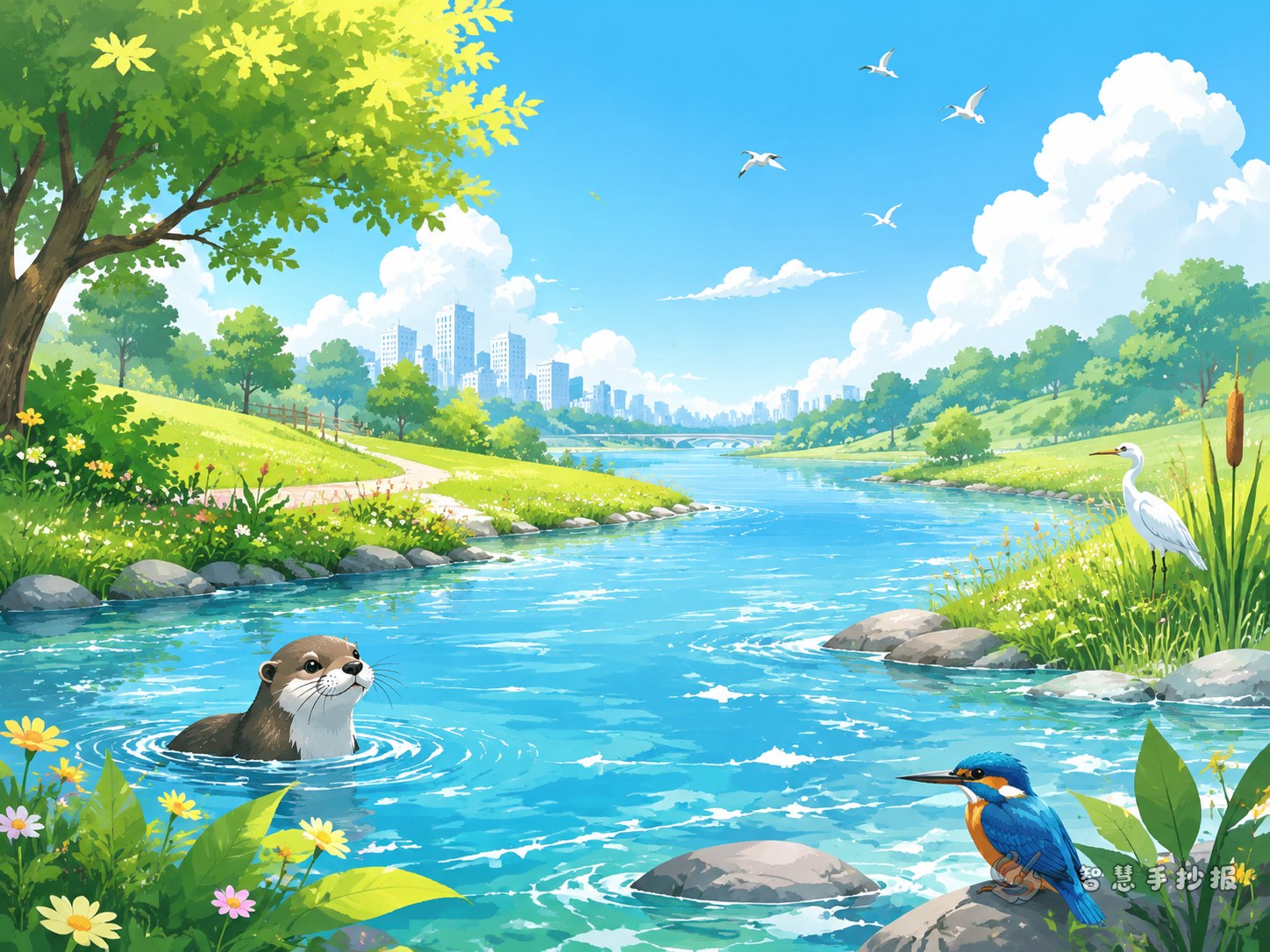
Begin with water close to home
Many students choose a topic that is too broad and then do not know what to write. A better idea is to focus on a river, lake, pond, reservoir, or wetland that is actually near home or school. This makes the poster easier to write and much more personal.
You can also add a short subtitle under the main heading, such as Protect the waters around us or Keep our hometown rivers clean. A clear subtitle helps the whole page stay focused.
Useful sections that are easy to fill
A short profile of the river or lake
Write its name, where it is, what it looks like in different seasons, and what people usually see there. Keep this part simple and friendly.
Why rivers and lakes matter
- They support daily life and farming
- They make the environment more beautiful
- They provide habitats for fish, birds, and plants
- They carry local memories and cultural meaning
What I can do to protect them
- Do not throw rubbish into the water
- Do not damage grass or plants along the shore
- Save water at home and at school
- Tell adults when you notice pollution
- Join cleaning activities when possible
Slogan corner
Add short lines such as “Clean water, beautiful home” or “Protect rivers and lakes, start with me.” These short phrases make the page more lively.
How to write short and effective text
A handwritten poster should not be filled with long blocks of text. Keep each paragraph to just a few lines. You can mix three kinds of writing:
- Description: The river in the morning shines like a silver ribbon.
- Explanation: Rivers and lakes help the environment and support living things.
- Action: We should protect local water by starting with small daily habits.
If the page still feels empty, combine what you observed with what you want to do. That creates a poster with both facts and responsibility.
Try a flowing layout instead of a stiff grid
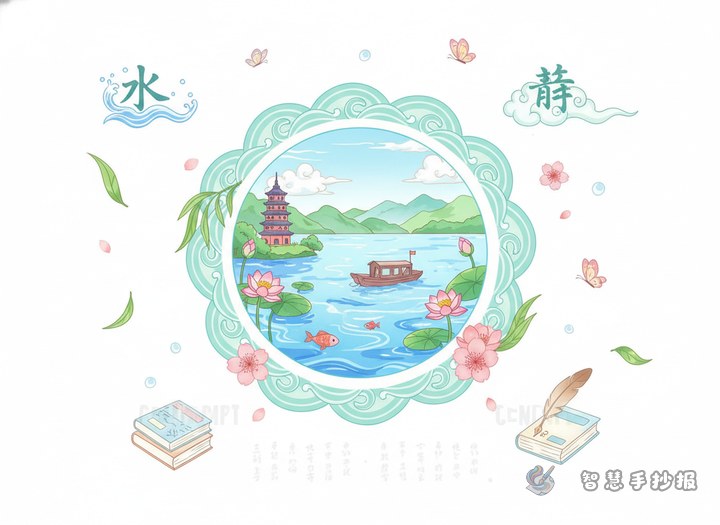
This topic looks great with a flowing page design. Place the title near the top center, then connect sections with soft wave lines like moving water. Draw small decorations such as drops, fish, reeds, birds, bridges, or willow trees to build a river-and-lake feeling.
Blue, green, and light yellow are good main colors. Make the title bold, keep body text neat, and use light borders instead of heavy frames.
Add real-life details for a stronger impression
To avoid sounding too generic, include one or two real details: rising water after rain, birds by the lakeside at sunset, or tree reflections on the surface in summer. These tiny observations make the poster more vivid and believable.
You can also create a small section called Problems I noticed and list issues like litter, wasted water, or damaged plants. Then follow it with My solutions. This shows thinking as well as action.
Check these three points before finishing
- Does the whole page stay focused on hometown rivers and lakes?
- Are the section headings clear and easy to understand?
- Do text, drawings, and action ideas work together well?
If you already have the main idea but want a cleaner layout, better colors, or more title options, you can continue making your poster in the Smart Handwritten Newspaper WeChat mini program.