Turn the Urinary System into a Clean-Up Route
Use “the body’s clean-up station” as the main idea for this handwritten science poster. The kidneys can be imagined as small stations that filter and organize what the body does not need. There is no need to fill the page with difficult medical terms. Show where urine is made, which organs it passes through, and how it leaves the body.
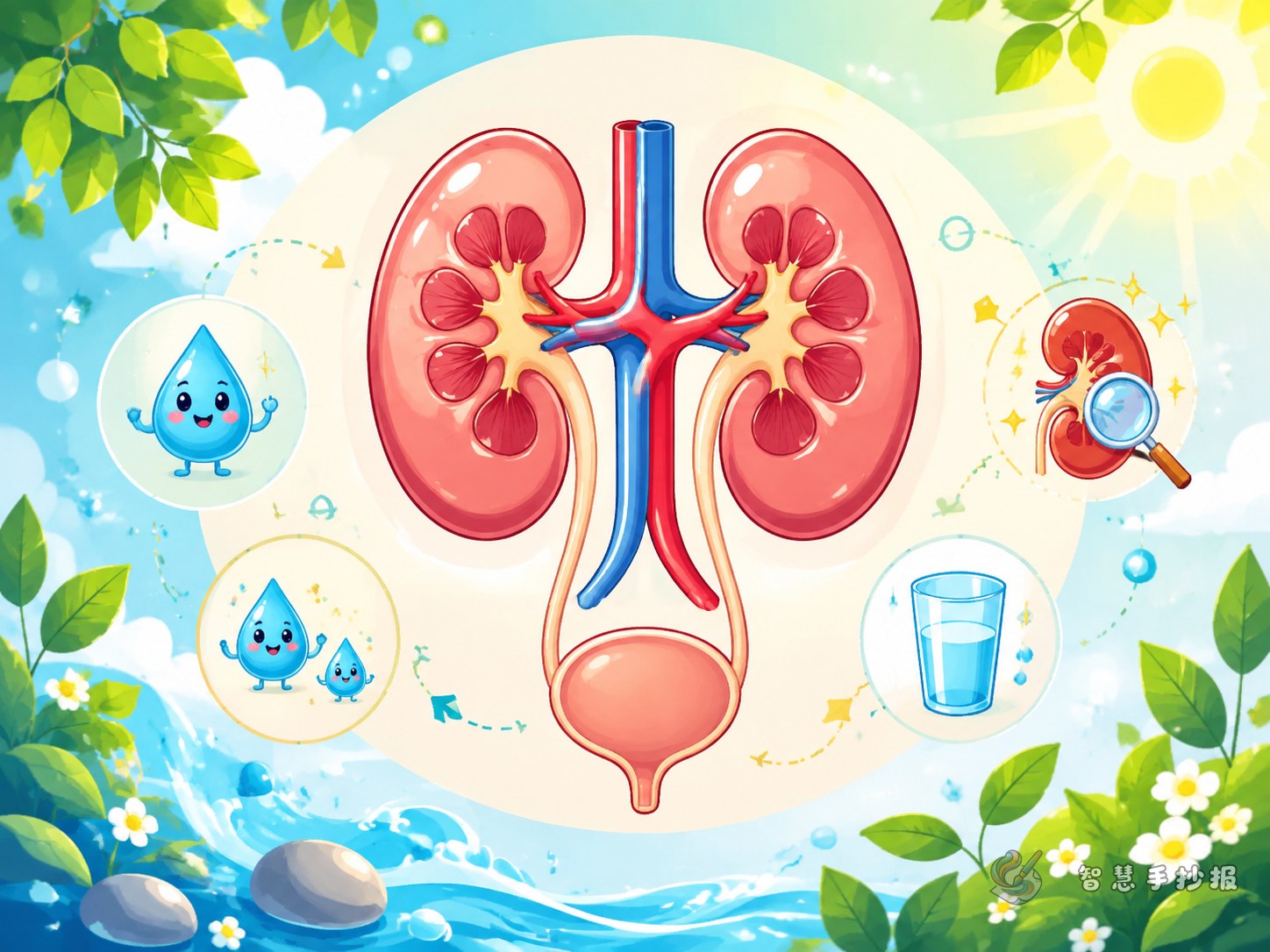
Draw a water drop, magnifying glass, or friendly water-drop character beside the title to suggest that the body manages water every day. A short slogan could be: “The kidneys work every day to help keep the body balanced!”
Make the Main Picture a Clear Urine Route
Draw a pair of bean-shaped kidneys in the center, then connect the other organs with colorful arrows. Arrange the information from top to bottom and from formation to release so the picture looks like an easy-to-follow life science route map.
- Kidneys: They filter waste from the blood and help form urine.
- Ureters: These are two narrow tubes that carry urine from the kidneys to the bladder.
- Bladder: It stores urine for a while and helps create the urge to urinate when it becomes full.
- Urethra: It allows urine to leave the body.
Use blue for the urine route and orange circles for organ names. Add four action words beside the arrows: “form,” “carry,” “store,” and “release.” This makes the science easy to read.
Four Short Sections with Ready-to-Use Ideas
Why Are the Kidneys Important?
The kidneys filter the blood every day, help remove waste, and take part in managing the body’s water balance. Although they are not large, they work continuously like hardworking filter stations.
How Is Urine Formed?
As blood passes through the kidneys, the kidneys separate some waste and extra water, forming urine. The urine then travels through the ureters to the bladder and is released when the body is ready.
An Organ Relay
The kidneys form urine, the ureters carry it, the bladder stores it, and the urethra helps release it. These four parts work together in an orderly urinary system.
A Small Reminder for Daily Life
Drink water when your body needs it, develop a regular bathroom routine, and pay attention to personal hygiene. Small drawings of a cup, clock, and handwashing symbol can make this section friendly and practical.
Arrange the Page So the Science Route Stands Out
- Place the large title at the top and add small decorations such as water drops, kidneys, or a microscope.
- Put the urinary system route in the middle and leave clear text boxes for each organ name.
- Use the left side for a “Kidney Fact File” and the right side for a “Urine Travel Route” or “Daily Reminder.”
- Add a “Did You Know?” question box at the bottom, such as “What is the main job of the bladder?”
- Limit the page to three or four main colors. Use dark outlines for the organs and keep labels and arrows from overlapping.
After sketching, check the organ order and arrow directions before adding outlines and color. For a tidier layout, you can continue making the poster in the WeChat Mini Program “智慧手抄报,” choose a suitable page arrangement, and then add your own hand-drawn decorations.