Turn the Poster into a River Observation File
Instead of filling the page with general facts, build the handwritten poster around a nearby river, stream, or canal. Connect three ideas: what you observed, what may affect the water, and what people can do to help. A winding river drawn across the page can guide readers from one section to the next.
Children should observe only with a parent or teacher present. Stay away from deep water, steep slopes, and slippery banks. Do not touch, taste, or collect water without proper supervision.
Details to Add to a Riverbank Record
- Water surface: Note visible litter and whether the water appears to be flowing freely.
- Riverbank: Look for discarded waste, bins, paths, and safety barriers.
- Wildlife: Record plants, insects, or birds that you can see without catching or disturbing them.
- Human behavior: Notice littering, unnecessary running water, or other visible activities near the area.
Add the date, weather, type of location, and a short personal reflection. Do not claim that water is clean or polluted based only on its color or smell, and never invent test results.
Let the River Speak
A personified river can make the writing more engaging for younger readers. Short lines might include “Please keep rubbish away from my banks,” “Saving clean water helps me too,” and “Protecting small streams helps protect larger rivers.”
A fact box can explain that litter may harm aquatic environments and that everyday actions matter. Turning taps off properly, using cleaning products responsibly, reporting leaking pipes to an adult, and keeping waste out of drains are clear examples that children can understand.
Build a Layout That Flows
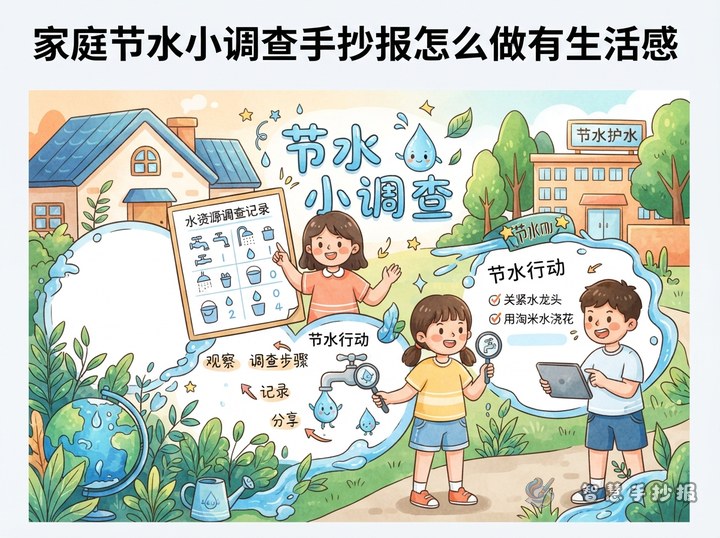
- Use the paper horizontally and draw a blue river from the upper left to the lower right.
- Place the observation file upstream, the river messages in the middle, and the action checklist downstream.
- Use small water drops, stones, bridges, and plants around headings without crowding the writing.
- Write body text in a dark color, use blue for the river, green for nature, and orange for behaviors that need attention.
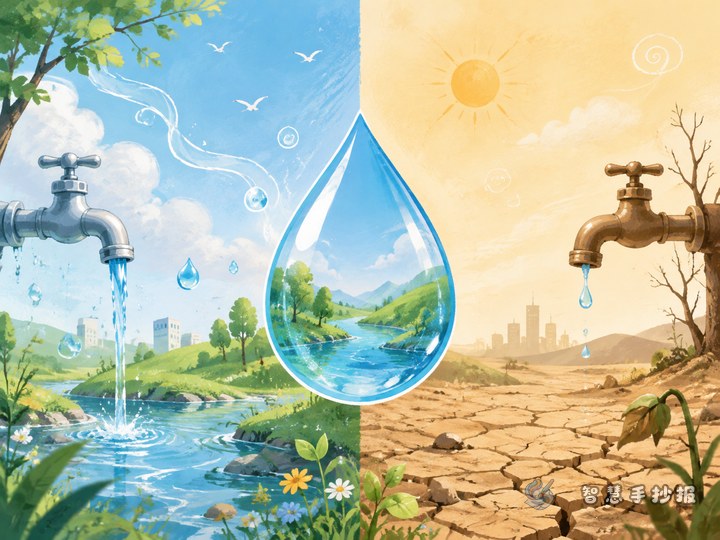
A small comparison between a cared-for bank and a littered bank can add visual impact. Show the difference through specific details such as rubbish, drains, and plant conditions rather than covering the page with dark colors.
Finish with a Water Protection Pledge
End with practical promises: close taps completely, keep rubbish out of rivers and storm drains, avoid unnecessary water use, join supervised riverbank cleanups, and tell an adult about unusual discharges. After organizing the material, readers can continue in the Zhihui Handwritten Poster WeChat Mini Program to choose a layout, arrange sections, and create the final poster.