Decide what makes the page stand out first
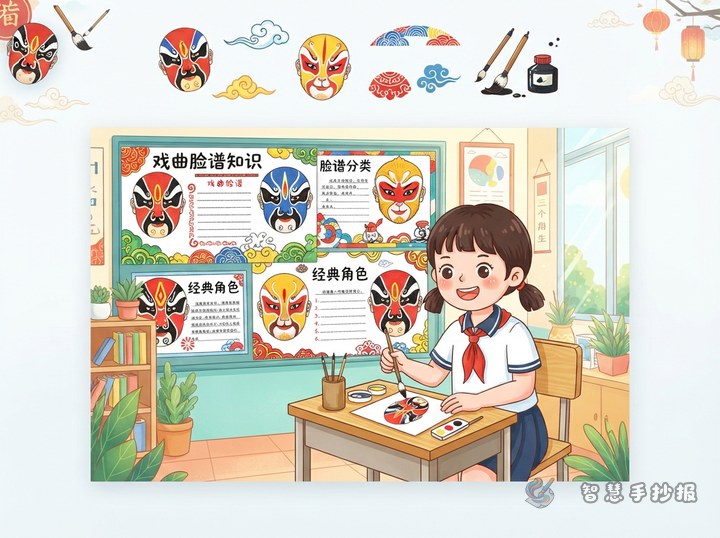
An opera mask handwritten newspaper looks best when it combines bold visuals, concise text, and a strong traditional mood. If the writing is too scattered, readers may miss the point. If there are only drawings and almost no words, the page may feel empty. A useful idea is to treat the whole page like a set of small culture cards, with each section explaining one clear point.
You can place one short opening line under the main title, such as: “A single painted face carries a full spirit on stage.” It creates focus and gives the page a cultural tone right away.
Short classic lines you can copy directly
Good near the main title
- A painted face holds endless meaning.
- Colors and lines reveal the spirit of a role.
- Opera has sound, and masks have character.
- One bright face reflects centuries of art.
- On the stage, one face can tell many stories.
Good for endings or side notes
- See the beauty of masks and feel the depth of tradition.
- Traditional opera sings out cultural confidence.
- Colors show personality, and patterns shape identity.
- Every opera mask tells a story.
- Traditional art deserves careful understanding and care.
These lines are short enough for headers, side captions, or final reflections without taking too much space.
Practical introduction text for the page
What is an opera mask?
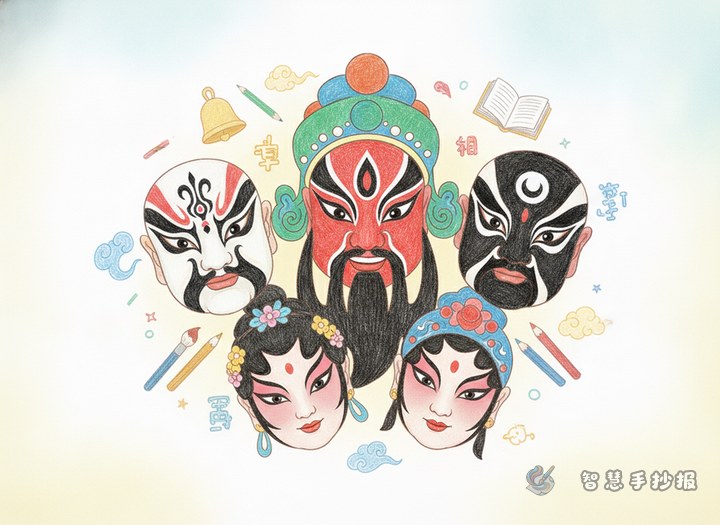
An opera mask is a facial design art used in traditional Chinese opera. Different colors and patterns help express a role’s identity, personality, and spirit. It is not only decorative but also a visual language for the audience.
Why do masks use different colors?
Opera masks often use color to suggest the nature of a character. Different colors can make the role easier to recognize and help create a stronger stage image.
How do masks connect with opera performance?
Masks work together with singing, speaking, movement, and action. Color, expression, costume, and performance all combine to present a vivid opera role.
These short paragraphs fit well into sections such as culture notes, quick facts, or basic knowledge corners.
A section mix that looks full without too much writing
- Theme opening: one short phrase and two simple sentences about opera masks.
- Mask knowledge card: the function, features, and artistic value of masks.
- Color mini guide: choose two to four colors and explain each in one sentence.
- Character spotlight: write a short note about one favorite opera figure.
- My reflection: add two or three lines about what you learned from traditional culture.
This structure works well because each block is independent, making it easy to add borders, headings, and decorations. Even with limited text, the page still feels complete.
Reflection lines and ending text you can use
- By learning about opera masks, I found that traditional art is rich in both color and spirit.
- Each mask feels like a storybook that speaks through lines and color.
- Opera masks combine color, shape, and personality in a wonderful way.
- Understanding masks is also a way of getting closer to Chinese traditional culture.
If you need a conclusion or learning reflection, you can choose one of these lines and adjust it in your own words.
Try a center-mask layout instead of dividing the page evenly
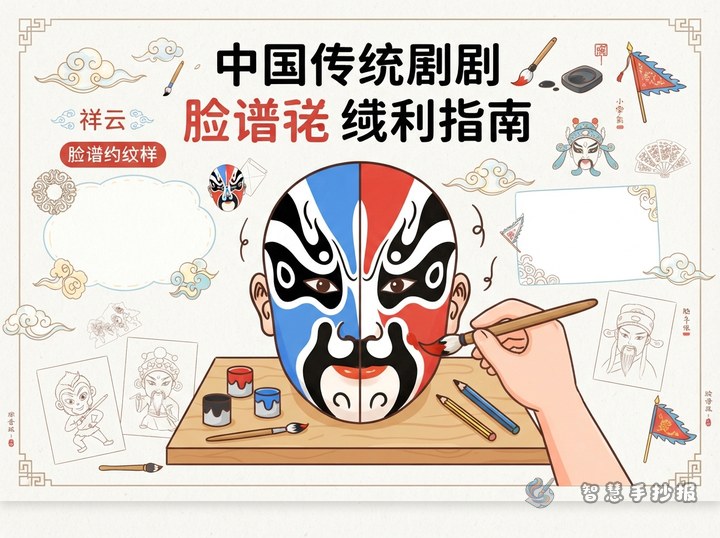
This theme works especially well with one large mask in the center and short text sections around it. The visual focus becomes clear, and readers can notice the design first and then move to the content. Put the title across the top, place knowledge and quote boxes on the sides, and add a reflection area at the bottom.
- Main colors: red, black, gold, and white.
- Decorative ideas: cloud patterns, folding fans, opera stage shapes, drums, or flowing sleeves.
- Lettering tip: make the title bold and keep the body text neat.
- White space tip: do not fill every corner; clean space makes the page look better.
If you already have a topic in mind but still need help arranging sections, you can continue organizing your ideas in the Zhihui Shouchaobao WeChat mini program and build the page more smoothly.