
Poster topics and copy references
Not sure what to write? Browse topics with section ideas, short copy and layout suggestions.
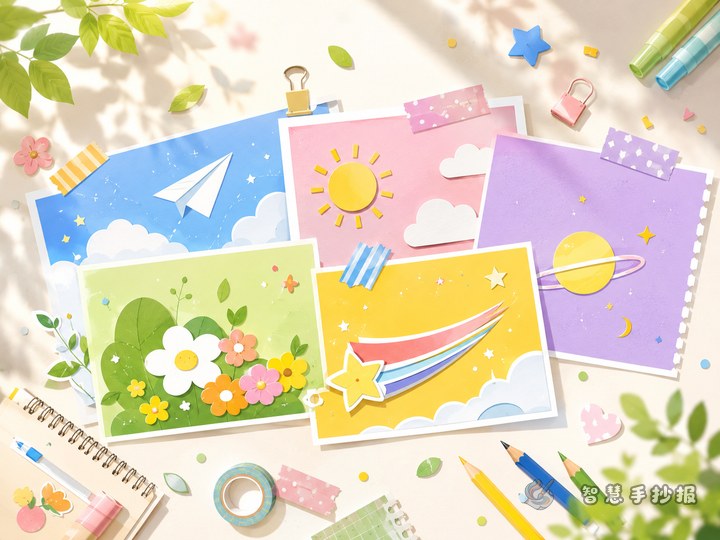
How Can You Make a School Poster Look Less Stiff? Try a Staggered Card Layout
A staggered card layout uses content boxes of different sizes and positions to make a school poster feel lively without losing order. This guide explains how to arrange the title, divide written material, coordinate colors, and add simple decorations.
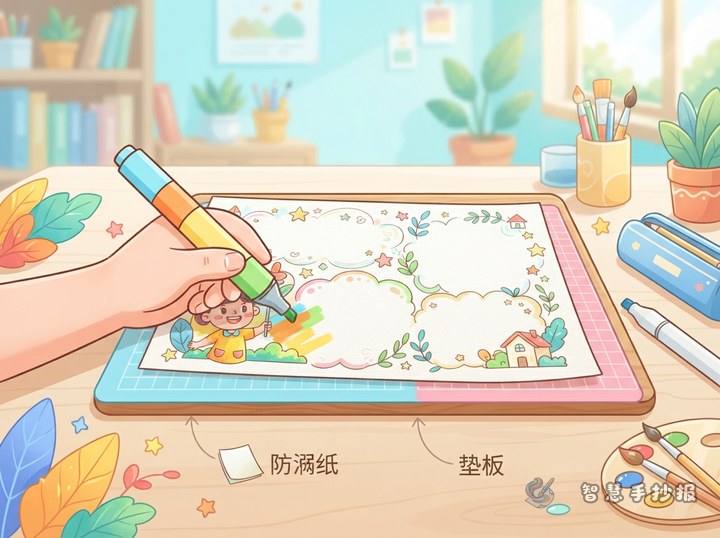
How to Stop Markers from Bleeding Through Handwritten Poster Paper
Marker bleed is often caused by thin paper, heavy ink flow, or repeated coloring in one spot. Smoother paper, a protective backing sheet, quick test swatches, and a mix of markers and colored pencils can keep a handwritten poster neat and readable.
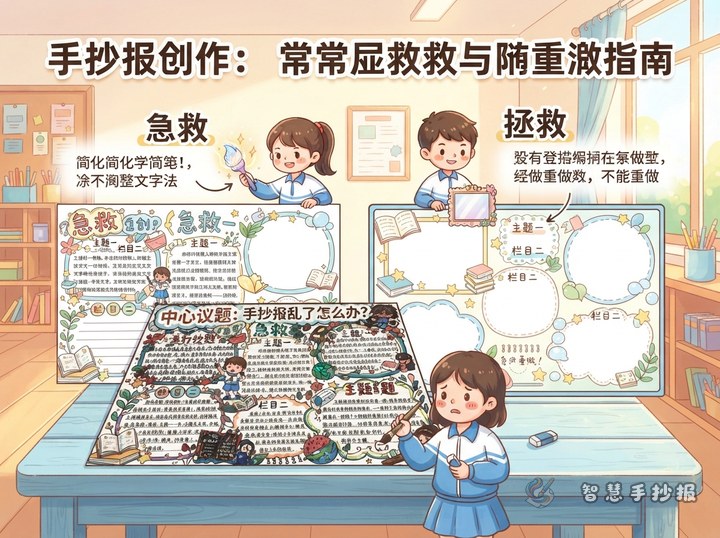
What Can You Do When a School Poster Is Too Crowded and Messy? Layout Fixes Without Starting Over
When a handmade school poster looks overcrowded, stop adding decorations and simplify what is already there. This guide explains how to shorten text, combine similar sections, cover minor clutter, restore visual space, and unify borders and colors. It also includes compact content ideas and practical planning tips for the next poster.
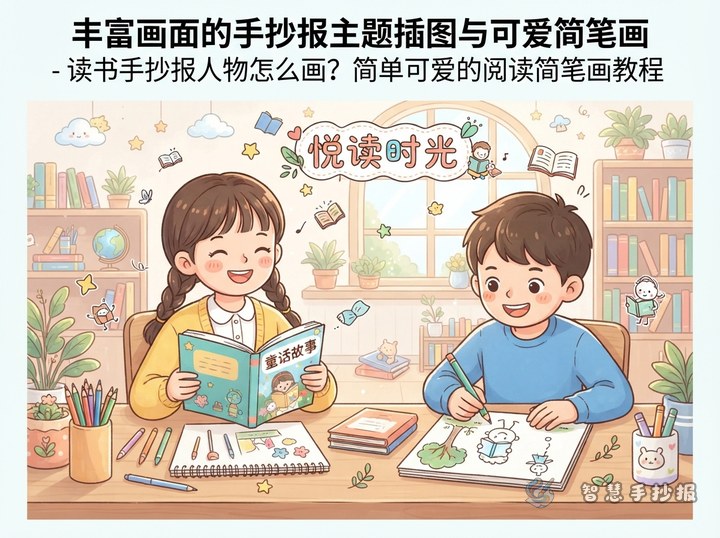
How to Draw a Person for a Reading-Themed Handwritten Poster
A child holding an open book can give a reading-themed handwritten poster a clear focus and a sense of story. This guide explains an easy character-drawing method, suitable writing sections, matching decorations, and balanced layout ideas for young students.
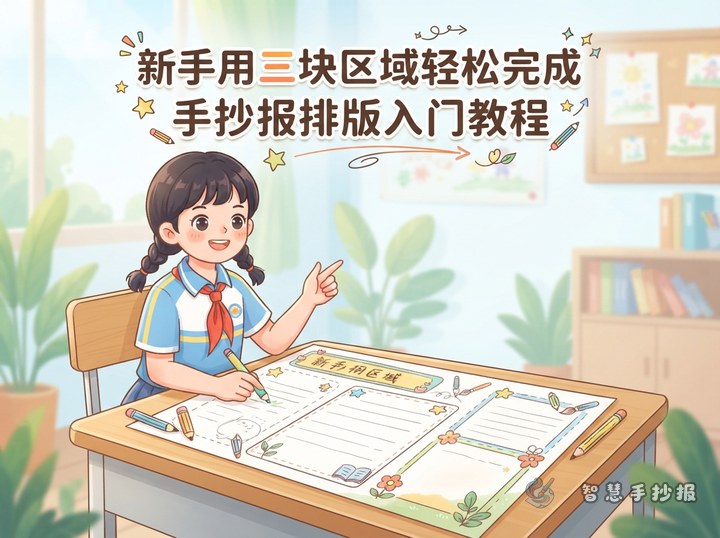
Struggling with Handwritten Poster Layout? Try This Easy Three-Section Method
This beginner tutorial divides a handwritten school poster into three practical areas: title, content, and decoration. It includes simple topic ideas, reusable column plans, short sample text, layout steps, and a final checklist.
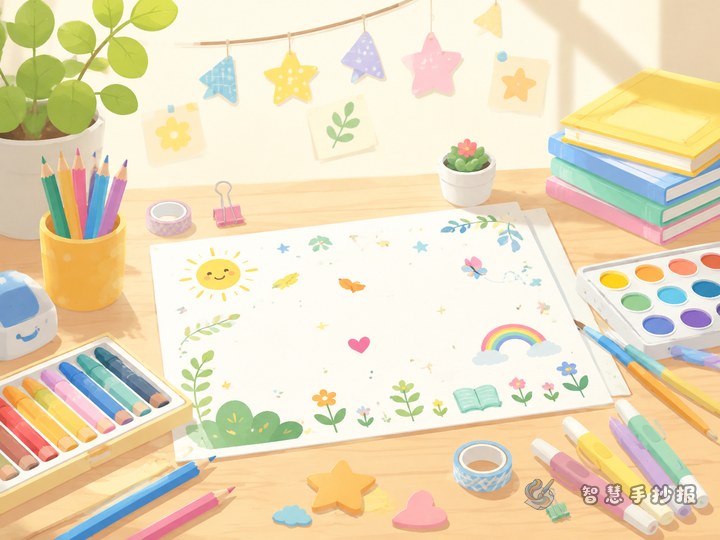
How Do You Make Your First School Poster? A Complete Guide from Topic to Coloring
This beginner guide walks children and parents through six manageable steps for creating a handwritten school poster. It explains how to choose a topic, plan sections, prepare short text, sketch the layout, add easy illustrations, apply color, and avoid common first-time mistakes.
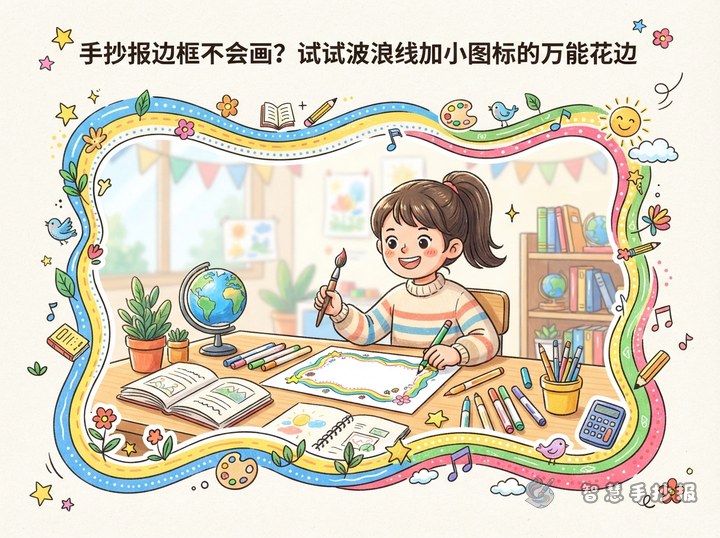
Can’t Draw a Poster Border? Try a Wavy Line with Tiny Theme Icons
A wavy line paired with tiny icons makes a flexible border for many school handwritten poster themes. Start with generous margins, decorate the corners with leaves, stars, or topic-related symbols, and repeat one element around the content boxes. The guide also covers writing sections, layout balance, and simple color choices.
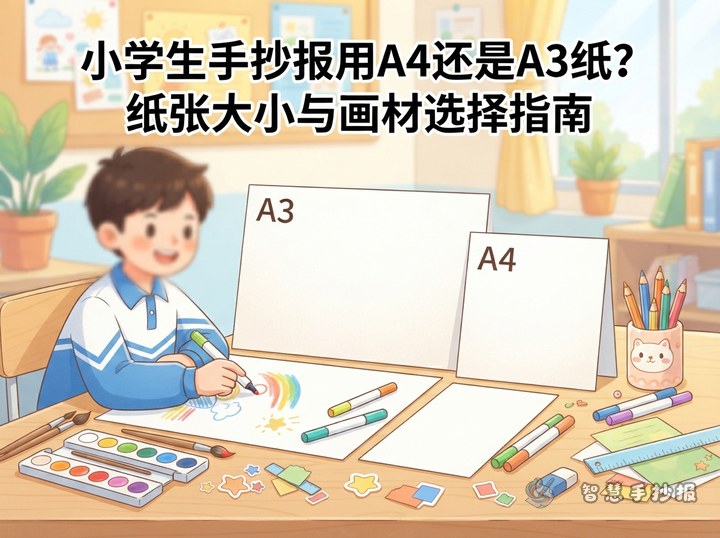
Should an Elementary School Handwritten Poster Use A4 or A3 Paper?
A4 paper is convenient for a short individual assignment, while A3 offers more room for multiple sections, larger drawings, or classroom display. This guide explains how to choose paper and essential art supplies, then match the page size with readable text and a balanced layout.
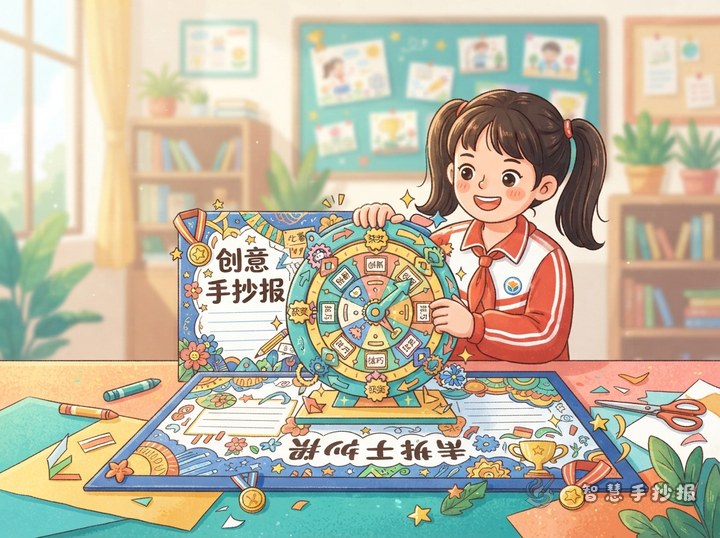
How to Design a Prize-Worthy Spinner Mechanism for a Contest Poster
A spinner mechanism can become the focal point of a contest poster, allowing readers to reveal information as they turn it. The key is not a complicated craft but a unified topic, short layered content, and a neat layout. One main spinner with supporting sections creates an engaging and polished project.
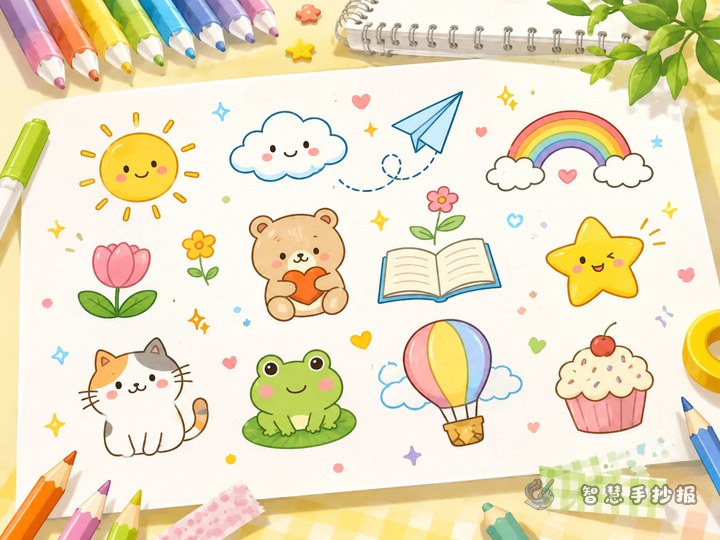
What Can You Draw in Empty Spaces on a Poster? 10 Cute Doodles
Blank areas on a school poster do not need to be completely covered. Small clouds, stars, flowers, books, and similar doodles can balance the page. This guide offers ten easy ideas and explains how to place them near titles, between sections, and in corners.
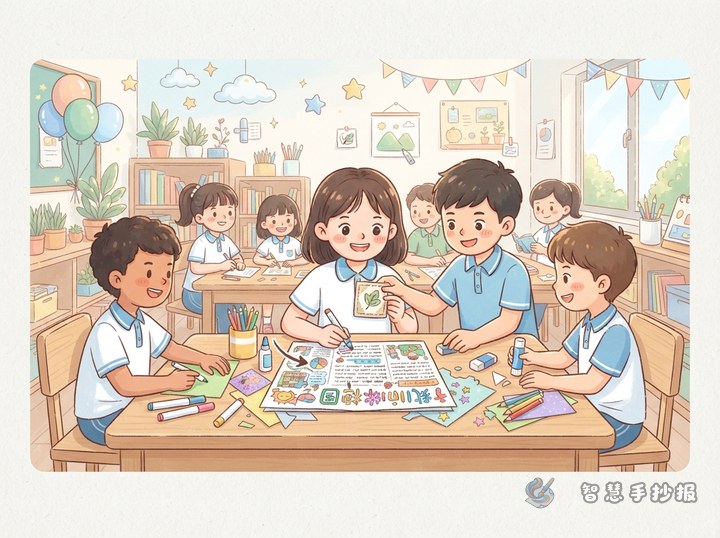
How to Fix Writing Mistakes on a Hand-Copied Poster Without Starting Over
If you notice a mistake when your hand-copied poster is nearly finished, pause before starting over. Depending on the size and location, you can cover it neatly, reshape the lettering, add a label, turn it into an illustration, or reorganize the section.
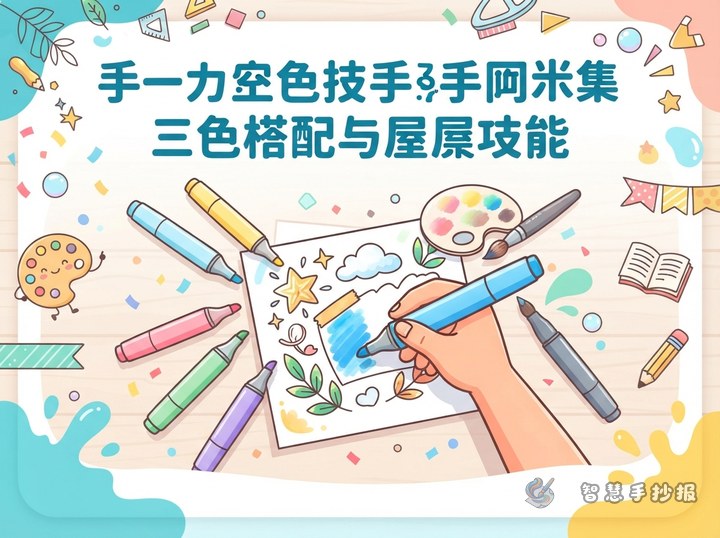
Why Does Marker Coloring Look Muddy? A Three-Color Method for School Posters
A polished marker-colored poster does not require a large set of pens. Choose one main color, one supporting color, and one accent, then use even strokes, limited layering, and generous white space. This guide also explains how to assign colors to headings, borders, illustrations, and text sections.
Have a topic? Generate the layout and line art
Enter the topic in the mini program to generate section copy, a layout draft and printable line art.
 Scan with WeChat