Think in Three Areas Before You Start Drawing
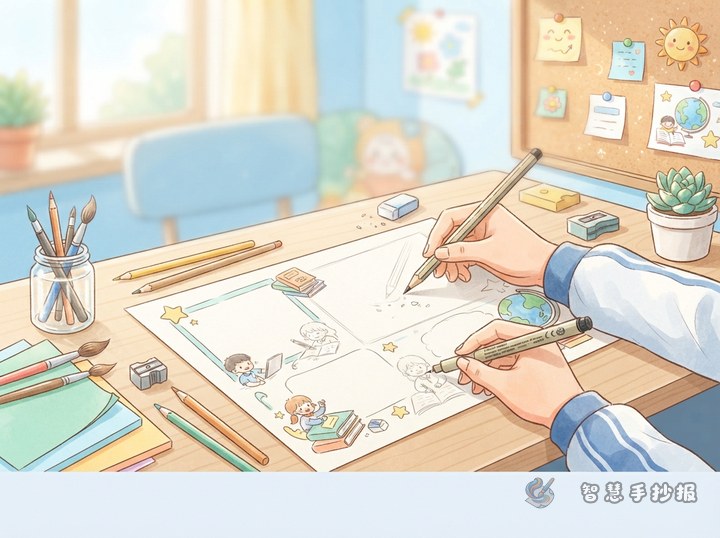
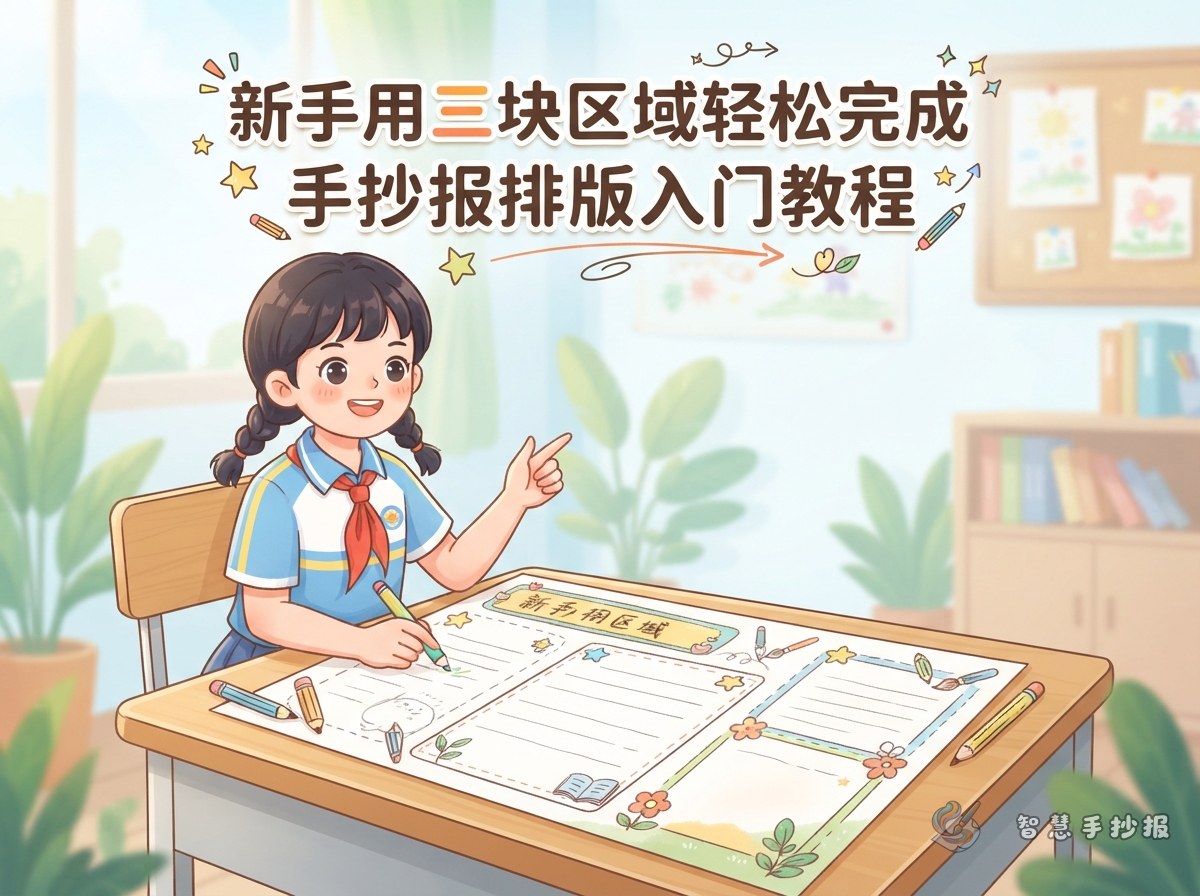
A common beginner mistake is to begin writing in one corner without planning the rest of the page. Instead, sketch three functional areas lightly in pencil.
- Title area: Place it near the top or upper-left part of the page and give it about one quarter of the available space.
- Content area: Use the large central space for two or three columns containing facts, tips, or short explanations.
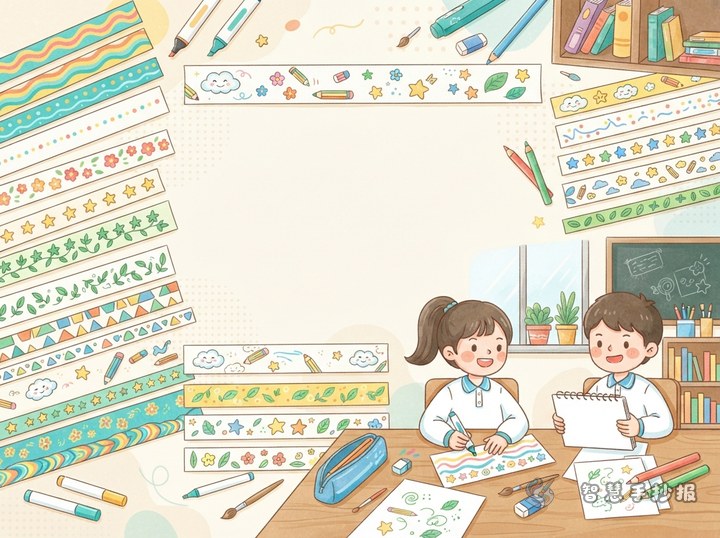
- Decoration area: Add small illustrations in the corners, along the border, or inside gaps rather than reserving a huge block for one picture.
The content boxes do not need to match perfectly. A large rectangular section beside a smaller rounded box often looks more lively than a rigid grid.
Choose a Topic That Is Easy to Write and Draw
Good practice topics include school safety, environmental care, reading, healthy habits, and traditional celebrations. A beginner-friendly topic should provide one clear slogan, at least two short groups of facts, and several simple objects to draw.
For an environmental poster, for example, the title could be “Go Green Today.” Useful columns include “Green Facts,” “What I Can Do,” and “A Friendly Reminder.” Leaves, water drops, the Earth, and recycling bins make simple matching decorations.
Build the Writing from Short Pieces
A handwritten poster does not need long essay-style paragraphs. Give each column a short heading and add three to five clear sentences or bullet points underneath it.
Sample Lines for an Environmental Theme
- Turn off unused lights and save electricity.
- Close the tap completely to avoid wasting water.
- Carry a reusable bottle instead of using disposable cups.
- Sort waste so recyclable materials can be used again.
- Protect plants and avoid stepping on school gardens.
For another topic, keep the same practical logic of “key facts, my actions, and reminders,” but replace the details and illustrations.
Complete the Page from Large Elements to Small Details
- Draw a light border and leave a comfortable margin around the paper.
- Choose the title position and test its length in small pencil writing.
- Sketch two or three content boxes with space for their headings.
- Write the main information before adding pictures.
- Place small themed drawings in the corners and larger gaps.
- Outline the words and shapes, use two or three main colors, and erase visible guide lines.
If straight writing is difficult, draw faint horizontal guides with a ruler and erase them after the ink is dry.
Use a One-Minute Final Check
- Can the main title be recognized immediately?
- Does every column relate to the chosen topic?
- Are any paragraphs too crowded or any gaps uncomfortably large?
- Do the colors support readability rather than compete with the text?
- Do the decorations avoid covering words and important details?
If arranging the columns still feels difficult, scan the page entry code to open the 智慧手抄报 WeChat Mini Program, select a suitable theme and layout, and then adapt the wording and colors to the assignment.