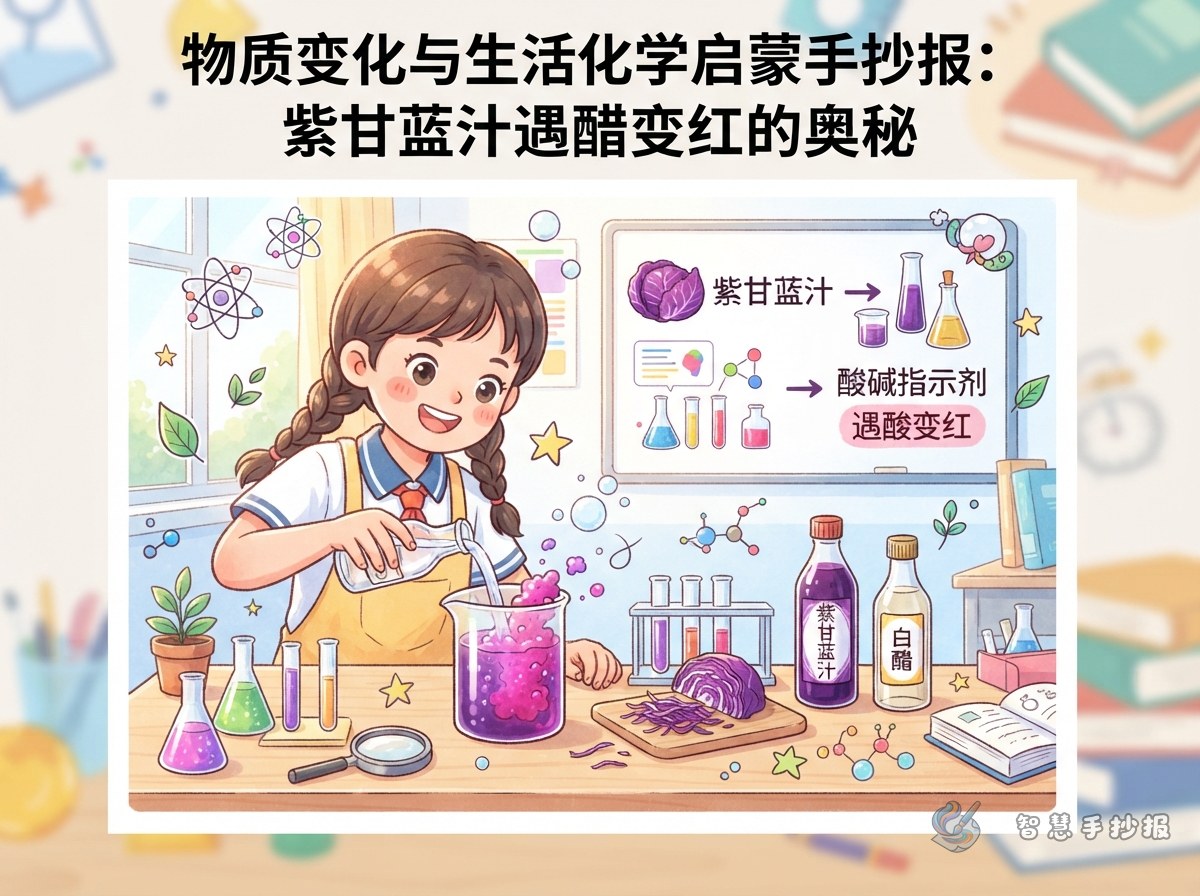
Why This Experiment Fits a Chemistry Poster
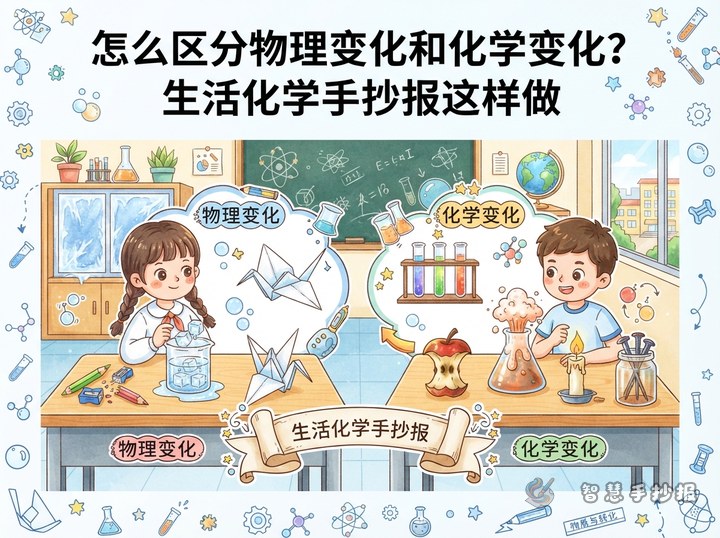
Purple cabbage juice can turn red, purple, blue or green when it meets different liquids. The change is easy to see, and the materials are easy to find, so it makes a great topic for a matter changes and everyday chemistry poster. Children can do the test and record what they see instead of just copying facts.
Compared with complicated chemistry equations, purple cabbage juice works like a natural pH indicator in the kitchen. Parents do not need special chemicals to try it at home.
What to Put on the Poster
Materials and Steps
- Materials: a few purple cabbage leaves, warm water, several clear cups, white vinegar, lemon juice, baking soda water, soap water and plain water.
- Steps: tear the cabbage leaves and soak them in warm water, then strain the purple juice into cups. Add a different liquid to each cup and watch the color change.
How to Draw the Color Chart
Draw a table in the middle of the poster. Write the liquid name on the left, draw a small cup icon in the middle, and fill in the observed color on the right. Readers can then compare acidic, neutral and alkaline liquids at a glance.
- White vinegar and lemon juice: red or pink.
- Plain water: stays purple.
- Baking soda water and soap water: blue or blue-green.
Naming the Title and Sections
Use a question-style title such as "The Juice That Changes Color", "Acid and Base Detectives in the Kitchen" or "Who Changed the Purple?" Keep section names short, for example "Detective Record", "Why It Happens", "Safety Note" and "More in Daily Life".
- Main title: place it at the top in large, dark letters.
- Experiment record: use half of the poster for a table or color cards.
- Science corner: explain in two or three sentences that anthocyanin changes with acids and bases.
- Everyday links: mention that purple cabbage, blueberries and purple sweet potatoes can also change color.
Layout and Color Tips
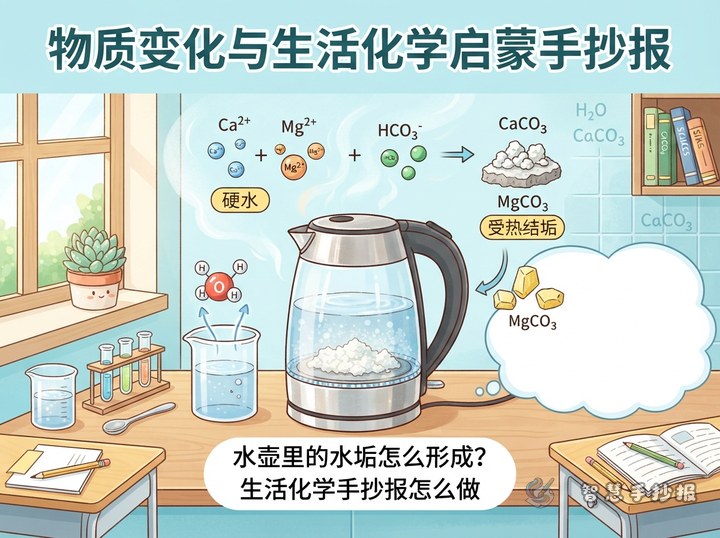
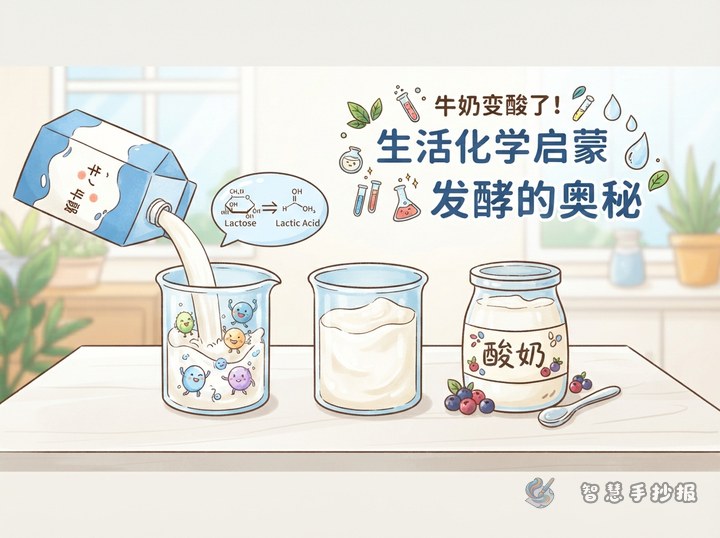
Use purple as the main color and add a little lemon yellow and light green. Draw simple cartoon outlines of cups, droppers and cabbage leaves. Do not fill every corner; leave room for text.
- Two columns: put the experiment table on the left and the explanation on the right.
- Top and bottom: place the title and main drawing at the top, then the table and short notes below.
- Border decorations: use circles, small bottles and leaf shapes, but keep them simple.
A Note for Parents and Teachers
For the experiment, just observe the colors and do not drink the mixtures. When writing, ask children to record "what I saw" and "what I think caused it". This is more meaningful than copying difficult terms. Teachers can ask students to turn the color changes into a set of color cards, and parents can help take photos for comparison.
If you want to save time on layout, open the Smart Handwritten Poster WeChat mini program, choose an everyday chemistry theme, and place your text and table into a ready-made layout before printing or copying it.