Build the theme around the school cafeteria
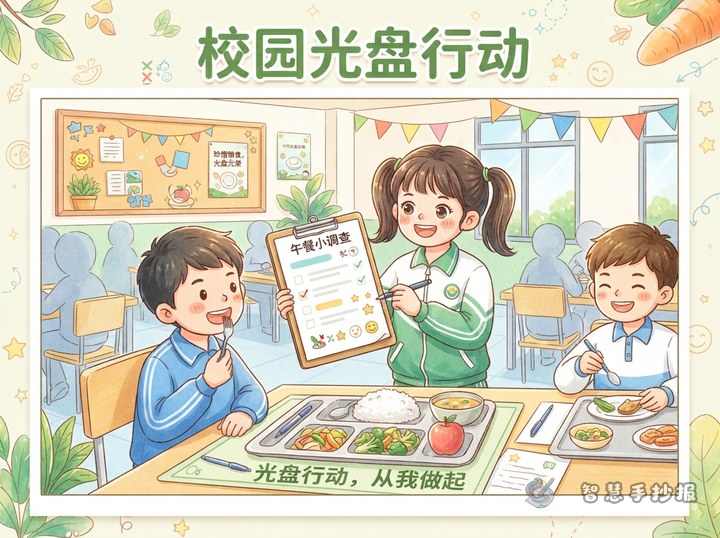
If you want this handwritten newspaper to feel fresh, do not stop at saying “save food.” A better angle is to focus on daily cafeteria habits students really see: lining up for lunch, taking only the amount you need, finishing first before getting more, and avoiding picky eating. This makes the page feel more real and easier to write.
You can shape the main title around ideas like cherishing every meal, starting clean plates in the cafeteria, or learning big lessons from a small lunch tray.
Section ideas that fit the page naturally
- Clean Plate Message: Add 2 to 4 short appeals such as “Take only what you can finish” and “Be a student who wastes no food.”
- Good Cafeteria Habits: List habits like taking food in proper portions, waiting in line politely, and respecting the work behind every meal.
- Why Waste Matters: Briefly explain that food is hard-earned, farming takes effort, and saving food is a good lifelong habit.
- What I Can Do: Write a few first-person promises, which work especially well for primary school students.
- Class Action Corner: Include lunch reminders or class tips so the newspaper feels connected to school life.
Short writing material you can use directly
Food does not appear on our tables easily. Every grain of rice goes through planting, watering, harvesting, and processing before it reaches us. A clean plate at school is not only about finishing lunch, but also about respecting labor, valuing resources, and building good habits. We can save food through small actions: think about how much we can eat before ordering, take a reasonable portion, ask for more only after finishing, and kindly remind classmates not to waste food.
A strong line for the page can be: “A small plate shows big manners; save food through real action.”
How to make the layout feel lively and school-themed
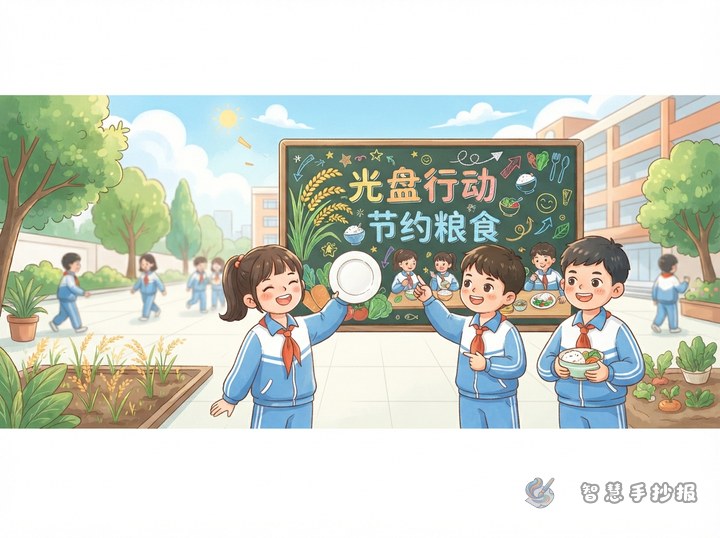
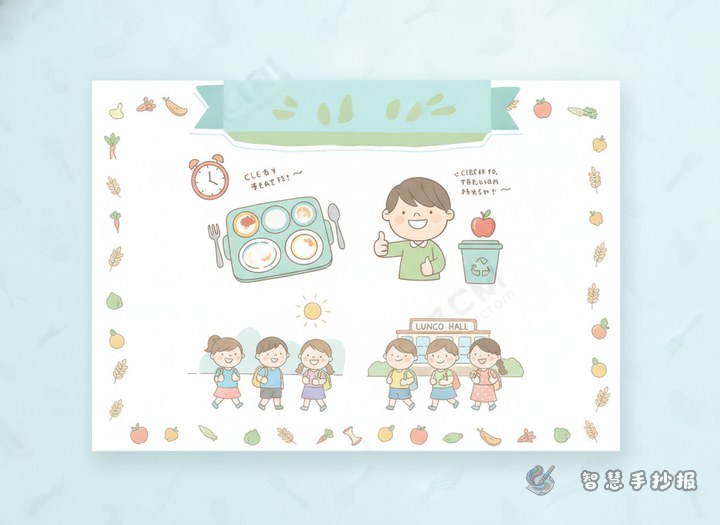
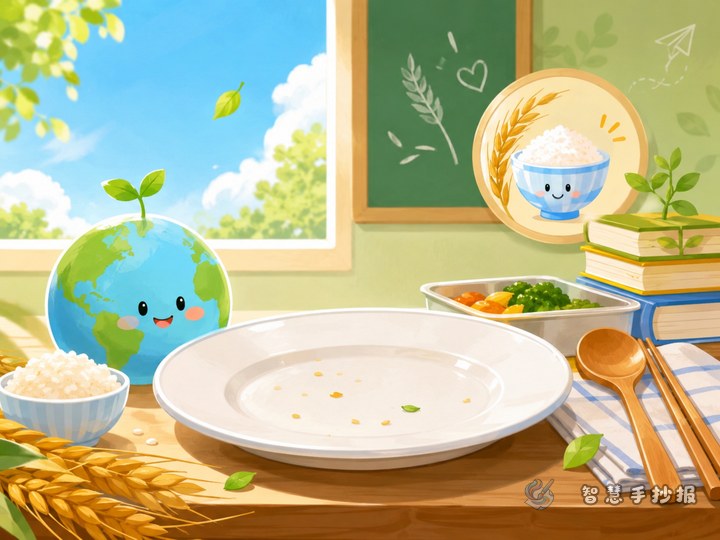
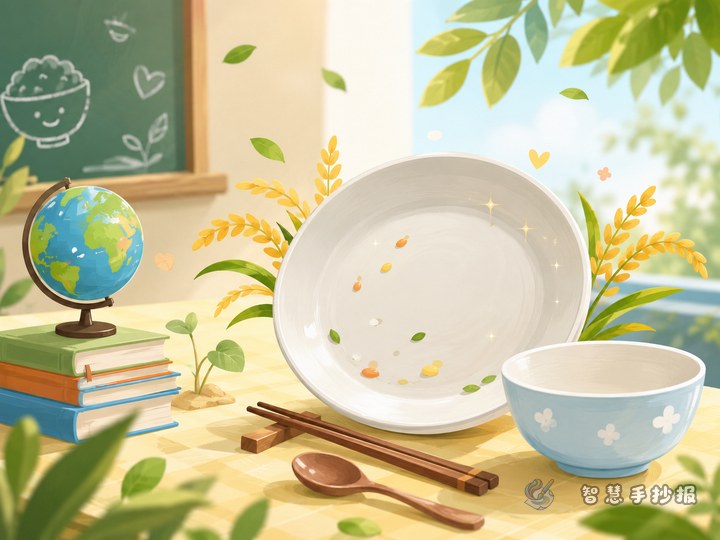
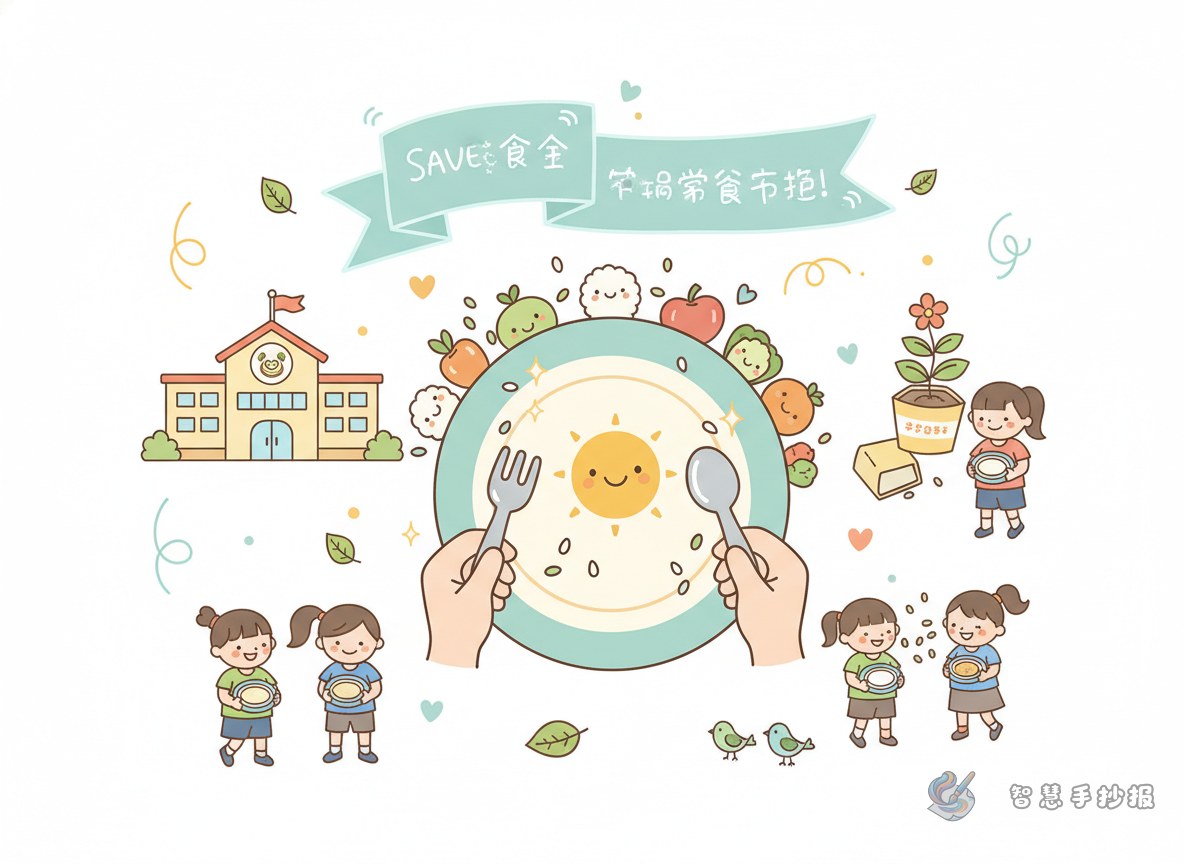
A practical layout is a center title with small sections around it, or a two-column page with clear blocks. In the middle, place the main heading in larger letters. Around it, add simple drawings such as rice grains, wheat, trays, spoons, or lunch plates to create a cafeteria feeling.
Green, yellow, and orange work well for this topic. Younger students can use rounded boxes and cute icons, while older students can include a checklist or a personal pledge area for a cleaner and more organized look.
How to make the content meaningful instead of empty
The key is to write about actions students can actually do, not only slogans. For example: take a smaller portion first, get more only if needed, do not throw away a whole serving just because it is not your favorite, and remember the hard work of farmers and kitchen staff. These details make the handwritten newspaper sound more natural and are often appreciated by teachers.
After planning your sections, you can continue organizing the layout and polishing title ideas in the Zhihui Shouchaobao WeChat mini program to make the final page easier to complete.