Start with a visible and easy-to-understand theme
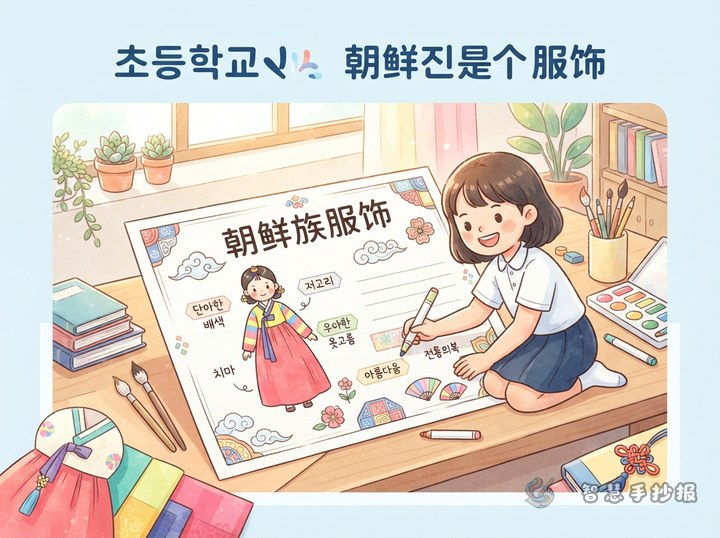
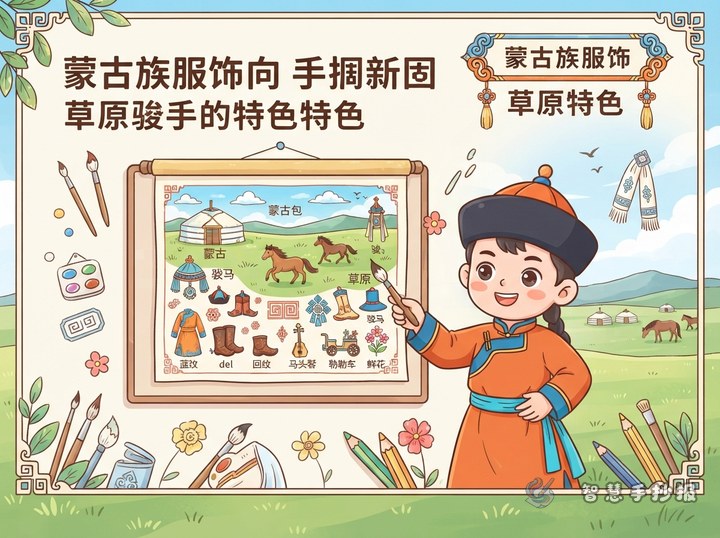
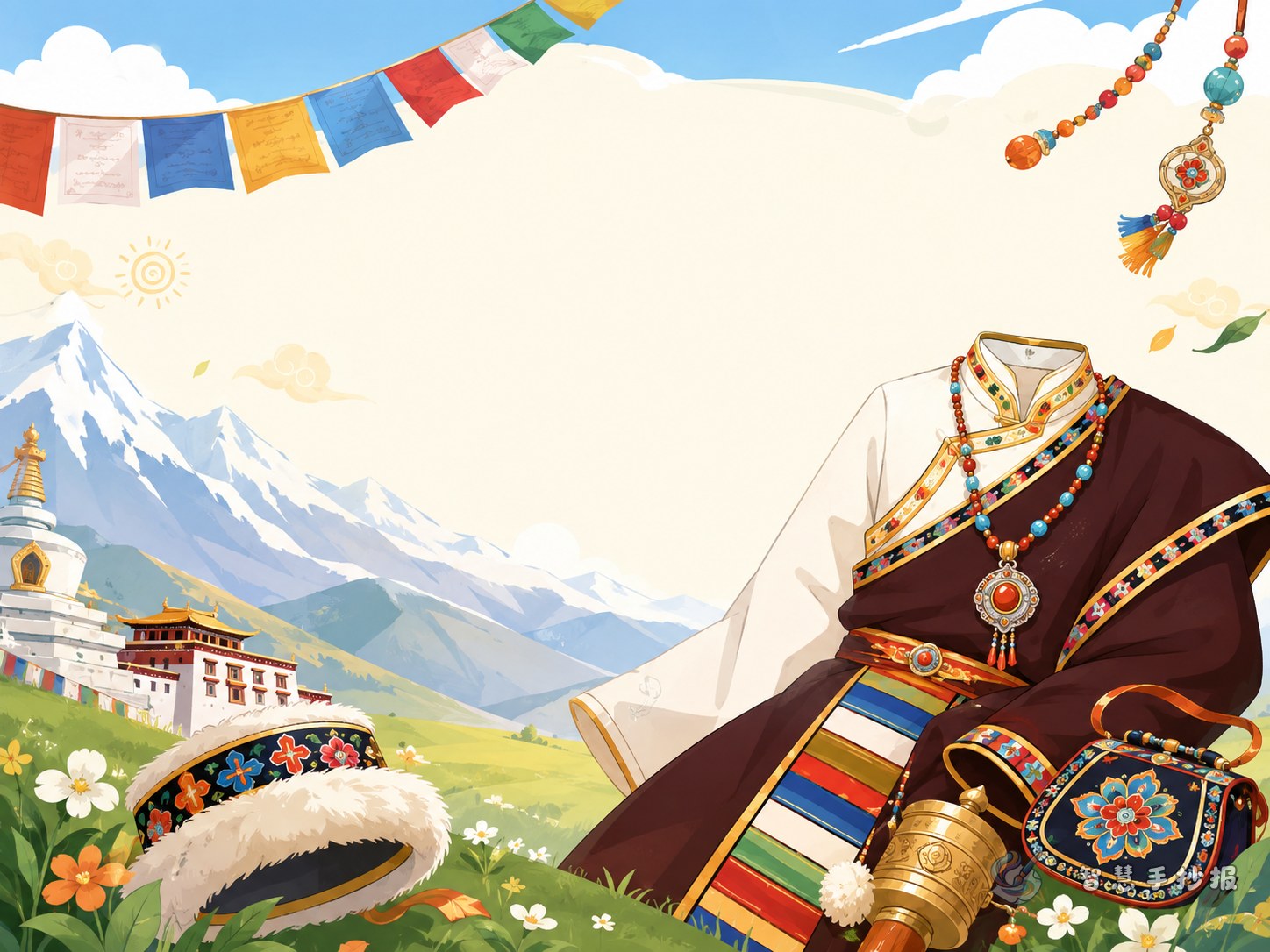
For this kind of handwritten newspaper, students do not need to write in a highly academic way. The easiest approach is to choose content that is easy to see, describe, and draw. For example, the shape of the clothing, the main colors, the hats and ornaments, and how people dress during festivals are all strong choices.
Titles such as “Beautiful Tibetan Clothing,” “What I Know About Tibetan Dress,” or “A Closer Look at Tibetan Clothing” are natural and easy to expand into sections.
Simple content choices that still feel rich
Clothing features
- Tibetan clothing often includes long robe-style garments with a loose shape.
- Belts are commonly used to create a clear layered look.
- Boots can be introduced as part of practical highland clothing.
Colors and decoration
- The clothing often uses bright and lively colors.
- Patterns may appear on cuffs, edges, or accessories.
- Color contrast can make the page visually strong and memorable.
Accessory notes
- Hats, necklaces, earrings, and waist ornaments can be added as a special section.
- Accessories are not only beautiful but also part of ethnic identity.
- Some ornaments are especially suitable for festive occasions.
Make the layout move, not just sit in the center
A page with only one large title and a few blocks of text can look flat. A better idea is to create a flowing layout with several clear areas.
- Place the main title at the top and decorate it with ribbons or geometric patterns.
- Use the left side for clothing features and the right side for accessories.
- Put cultural notes and personal reflections in the middle or lower part.
- Use the corners for simple drawings such as mountains, grasslands, the sun, or colorful flags.
This kind of layout makes the key points easy to find and keeps the whole page balanced.
Short sentences students can copy directly
- Tibetan clothing is colorful and full of ethnic charm.
- Its practical design shows wisdom shaped by daily life.
- Hats, belts, and ornaments make the clothing even more distinctive.
- Traditional clothing is not only beautiful but also meaningful.
- Learning about ethnic dress helps us understand the richness of Chinese culture.
If more words are needed, students can add a sentence such as “I think Tibetan clothing looks strong, bright, and full of highland character.”
Keep the colors clear and the drawings focused
For a Tibetan clothing themed page, blue, red, yellow, and white are all useful color choices, but not every part of the page should be heavily colored. It is better to choose one main color and two or three supporting colors.
- Use blue or red for the title to create energy.
- Choose striped borders or simple decorative patterns.
- Draw half-body figures, clothing details, hats, or boots instead of overly complex full scenes.
If time is short, finish the title and text boxes first, then add corner decorations to complete the page.
Check these three points before finishing
- Make sure the writing stays focused on Tibetan clothing rather than becoming a general ethnic introduction.
- Include both text and simple illustrations.
- Keep the amount of writing in each section fairly balanced.
After the draft is finished, parents and teachers can help adjust spacing, title placement, and color balance. If you want to keep improving the design, you can continue in the Zhihui Shouchaobao WeChat mini program and explore more templates and layout ideas for this theme.