Start with one clear idea: combine Chinese characters with poetic beauty
If you want this handwritten newspaper to feel rich in culture without looking messy, choose a theme like The Poetic Beauty of Chinese Characters. This angle is different from a simple ancient poetry page or a basic idiom collection. It connects characters, poems, and neat handwritten design in one clear direction.
You can place the main title in the center and organize the page around four ideas such as character, phrase, line, and feeling. Soft colors like black, light green, and beige work well for a traditional style.
Useful sections for the page
Section 1: Beautiful characters in my favorite poems
Pick 3 to 4 familiar lines from poems and circle one vivid character in each line. Then write one short sentence about why that character feels beautiful or what picture it creates in your mind.
- From moonlight lines, you may choose the character for “bright”
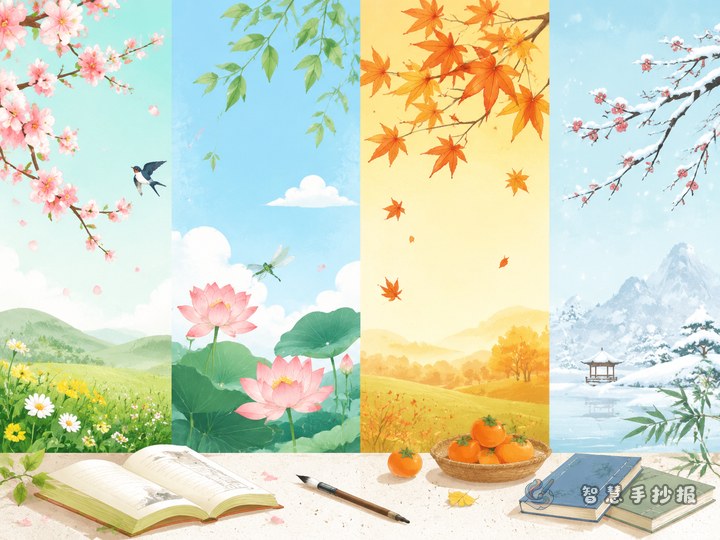
- From spring poems, you may choose the character for “spring”
- From nature poems, you may choose a character linked to color or birds
Section 2: Four-character idioms with poetic feeling
Choose idioms that match the mood of poetry, such as spring scenery, flowers, moonlight, mountains, and rivers. Write the meaning in simple words and add one short personal understanding.
Section 3: A small corner of Chinese character knowledge
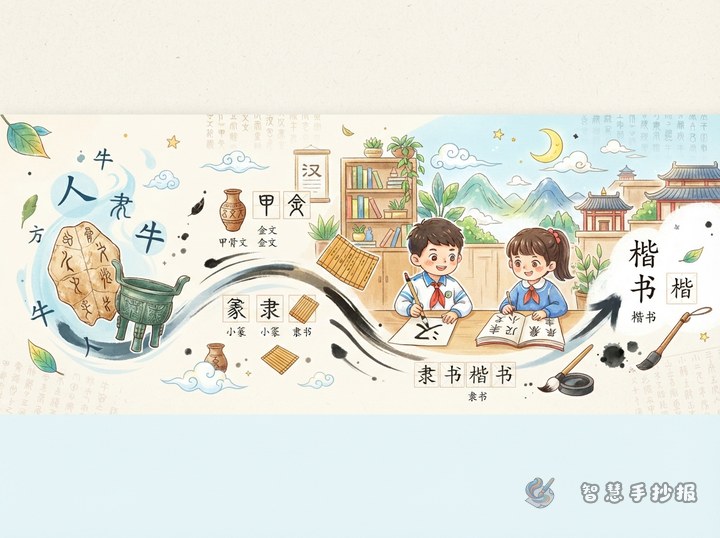
This part should stay easy for children. You can mention that some Chinese characters look like pictures, some sound soft, and some sound strong. These details also make poems pleasant to read aloud.
Section 4: My own thoughts
Leave a small area for personal writing, such as “My favorite Chinese character” or “The poem line I want to copy most.” This makes the page feel more lively and personal.
Ready-to-use writing materials
Here are some short ideas that fit well on a handwritten newspaper:
- Theme sentence: Every stroke shapes a character, and every poem carries beauty.
- Poetry materials: Choose short and familiar lines that children have learned in class.
- Character reflection: Chinese characters can feel like pictures, and in poems they can also sound like music.
- Idiom materials: Pick idioms connected to spring, nature, moonlight, or scenery.
If the page feels crowded, use a simple pattern: one poem line, one character appreciation note, and one idiom. Repeat this layout in small blocks.
How to arrange the page neatly
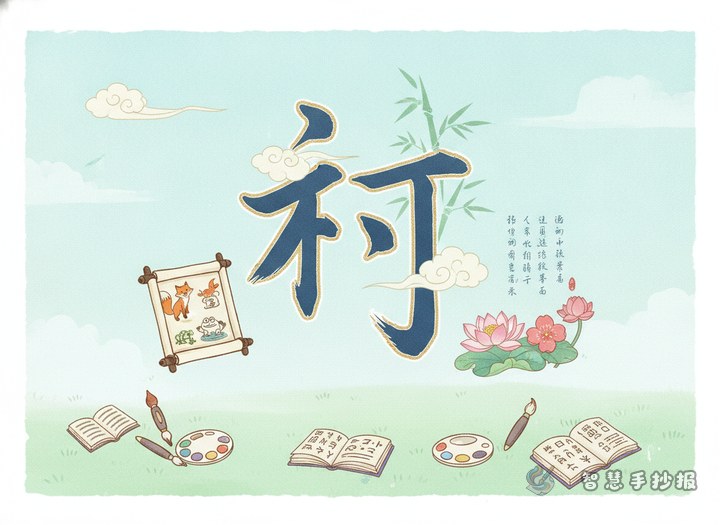
This theme works well with a central title and sections around it. You can place the title inside a scroll, fan shape, or bookmark-style frame, while keeping the main text clear and easy to read.
- Use a larger title with only 2 or 3 main colors
- Keep each paragraph short
- Separate poem and character sections with light borders
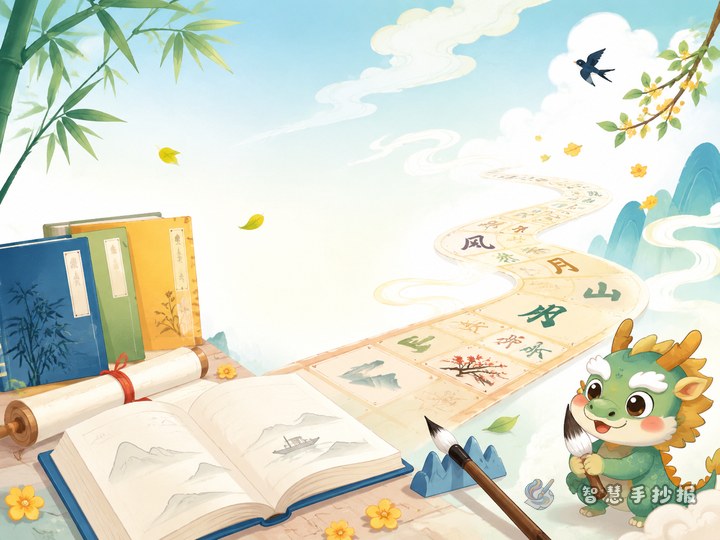
- Use simple decorations like bamboo leaves, books, the moon, or plum blossoms
If you are short on time, finish the title and three main sections first, then add decorations at the end.
Simple tips to make the work stand out
The key is not drawing too much, but keeping the content unified. Stay focused on one idea such as “beautiful characters inside poetry.” Do not mix too many unrelated facts on one page.
- Choose only 4 to 6 key characters
- Use familiar poem lines for easier writing and understanding
- Match the idioms with the same mood as the poems
- Check spacing, handwriting, and title visibility before finishing
If you want to organize the layout more quickly, you can continue designing in the Zhihui Shouchaobao WeChat mini program.