Start by breaking the topic into manageable sections
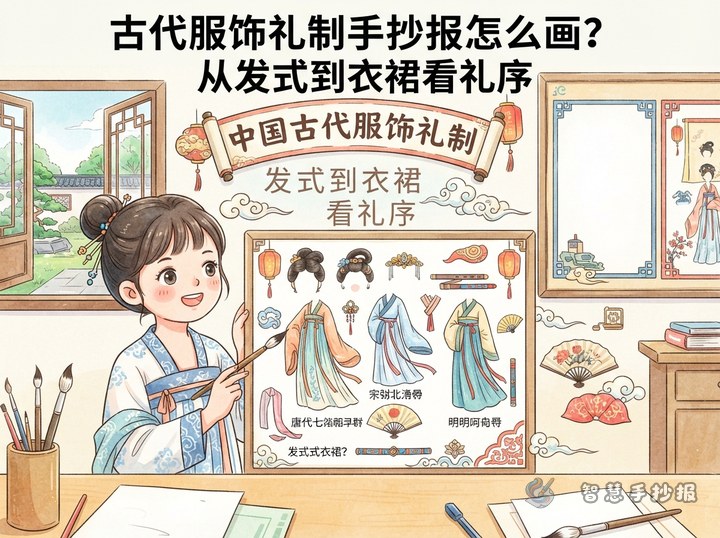
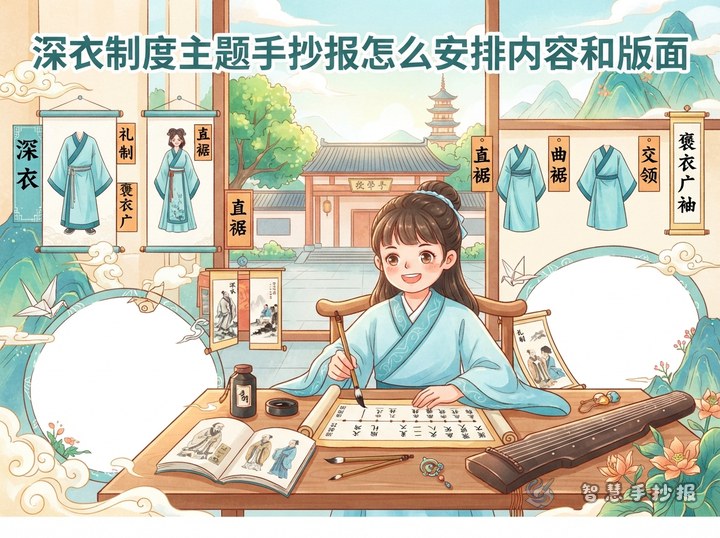
When making a Hanfu etiquette poster, the easiest method is to divide the page into small, clear sections before writing. This makes the poster easier to read and helps students avoid filling the page with long paragraphs. Put the main title in the center and place supporting sections around it.
- Main title area: Try titles related to Hanfu, etiquette in dress, or traditional Chinese clothing.
- Quick facts area: Introduce simple features such as cross collars, right-over-left wrapping, tied belts, and wide sleeves.
- Etiquette area: Explain that ancient dress emphasized neatness, respect, and proper appearance for different occasions.
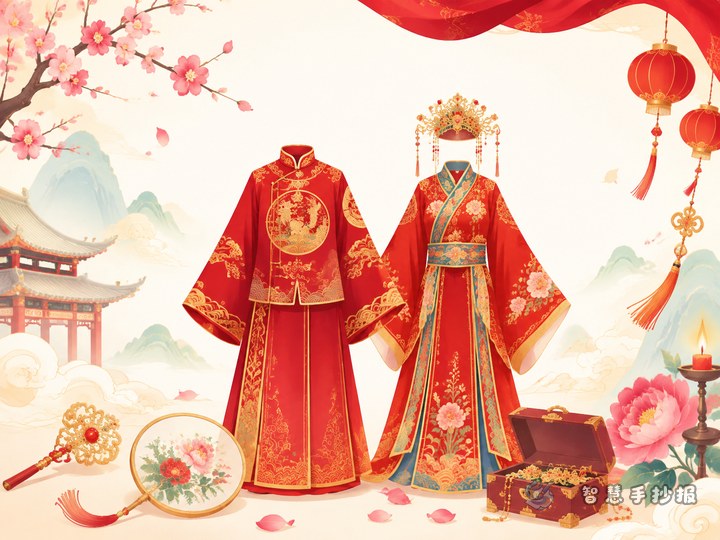
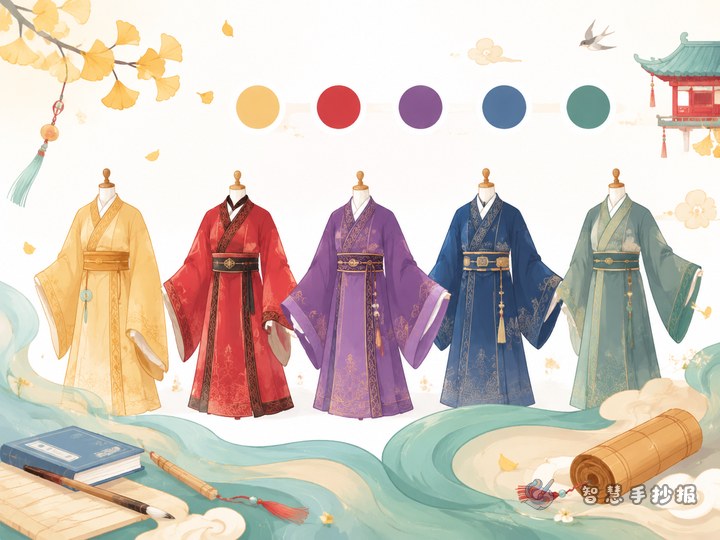
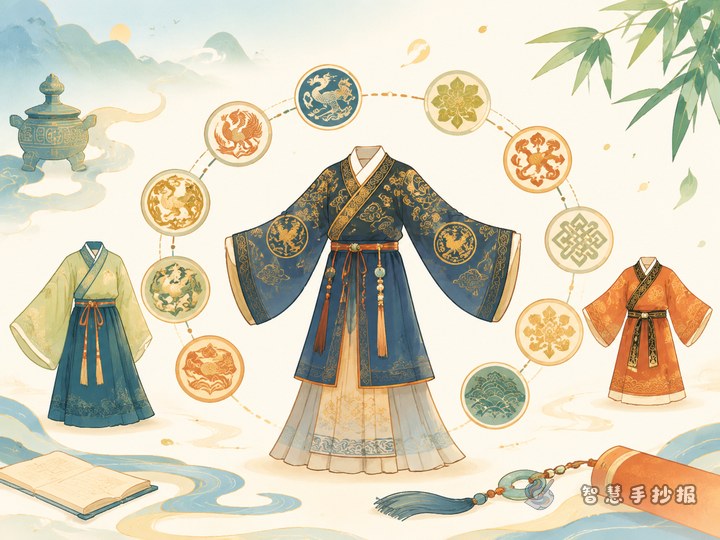
- Decoration area: Add drawings of sleeves, hair ornaments, belts, jade pendants, or cloud patterns.
Short writing materials that fit directly into a poster
A school poster works better with short and clear lines than with long encyclopedia-style text. Each sentence should express one idea clearly.
What is Hanfu?
Hanfu is an important part of traditional Chinese clothing culture. It reflects order, beauty, and respect for proper appearance.
How are clothing and etiquette connected?
In traditional culture, etiquette was shown not only through behavior and speech, but also through the way people dressed. Neat and appropriate clothing showed respect for others.
Common etiquette gestures
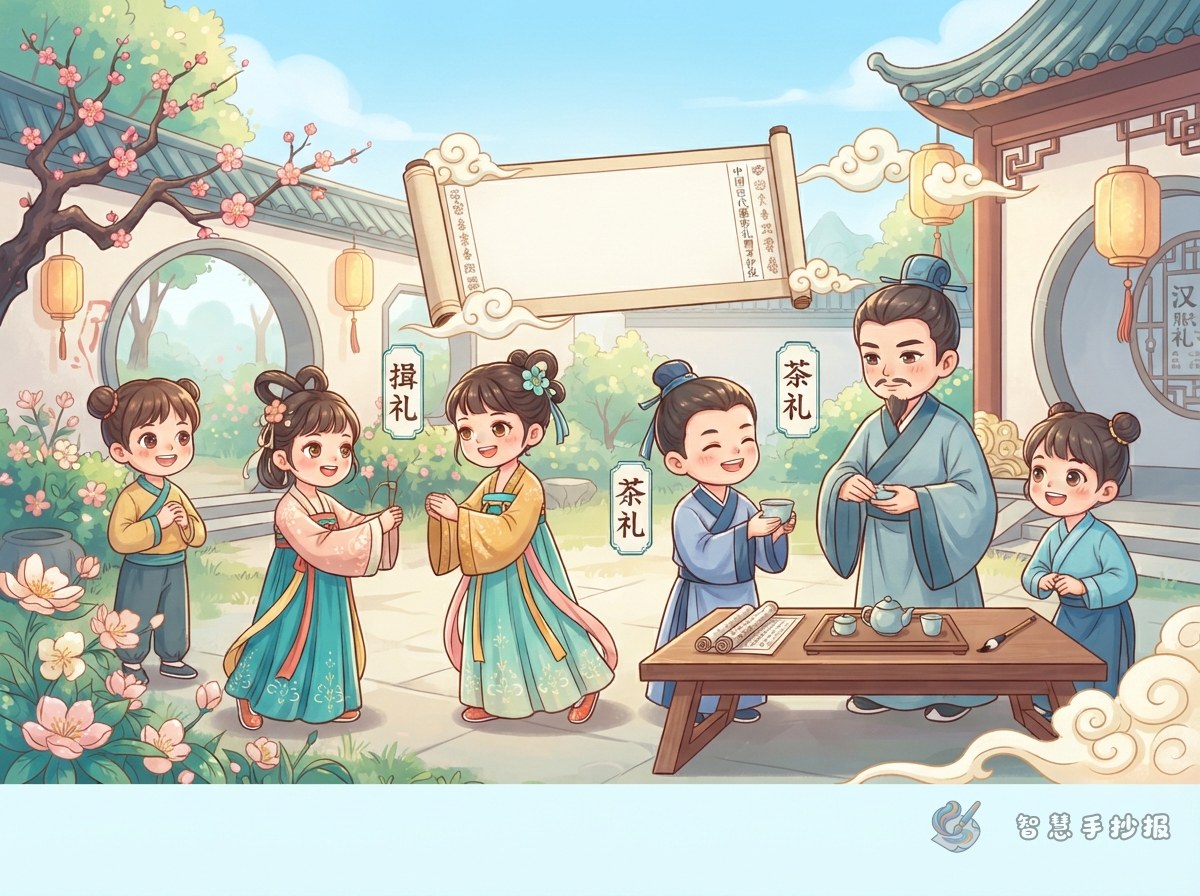
- Hands-clasped greeting: a polite way to show respect.
- Standing properly: showing seriousness and calmness.
- Adjusting clothes and headwear: keeping a tidy appearance before formal occasions.
Use a main section and several supporting blocks
You do not need to make every section the same size. A better design is to create one major content block and several smaller supporting sections.
- Make “The connection between clothing and etiquette” the biggest section.
- Place “Basic Hanfu features” and “Common etiquette practices” on the two sides.
- Add “Patterns and color meanings” at the bottom to enrich the content.
This structure keeps the poster informative while leaving space for decorative drawings and borders.
Details that best show the ritual side of ancient clothing
The most important point in this theme is the idea of order and propriety. Students do not need difficult ceremonial systems. Instead, they can focus on simple details that clearly show how dress reflected etiquette.
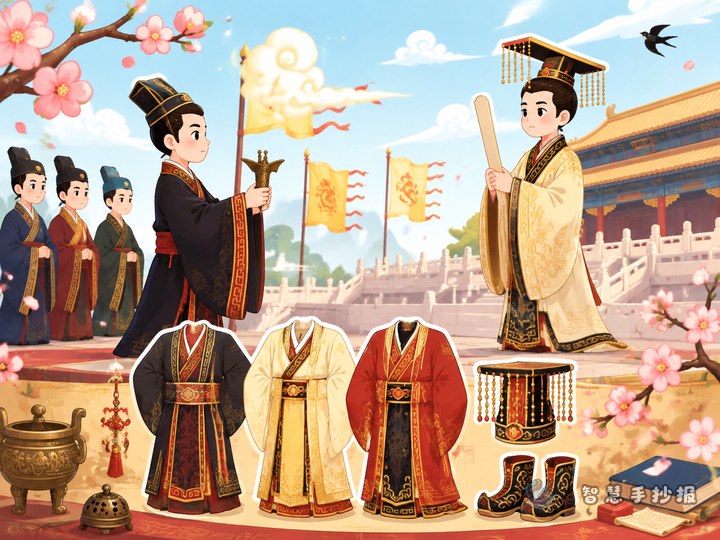
- Dress matched the occasion: daily life, festivals, and formal ceremonies called for different styles.
- Neatness mattered: tidy clothing showed self-respect and respect for others.
- Accessories had meaning: belts, crowns, pendants, and ornaments were not only decorative.
- Colors and patterns carried symbolism: many designs expressed harmony, dignity, and good wishes.
How to design the page in a traditional style
This theme looks best with a gentle Chinese-style layout, but it should still be practical for students to draw and write. Sketch the boxes lightly in pencil first, then add the final text.
- Use a scroll shape, plaque shape, or fan shape for the heading.
- Choose simple decorative borders such as cloud, bamboo, or geometric patterns.
- Use soft colors like red, green, beige, light gold, and ink black.
- Instead of drawing full characters, simple details like collars, sleeves, and ornaments can already express the theme well.
If needed, students can also continue adjusting sections, colors, and text placement in the Smart Handwritten Poster WeChat mini program.
A simple closing paragraph for the poster
You can end with a short summary such as: Hanfu is not only beautiful traditional clothing, but also a carrier of etiquette and cultural values. Through this poster, we can better understand the beauty of ancient Chinese dress and manners.