Start with the idea that colors had meaning
Ancient Chinese clothing etiquette may sound difficult, but a handwritten poster can begin with a simple clue: colors were not only decorative; they could also express order, identity, and respect for important occasions. This makes the topic easier for children to explain through pictures and short notes.
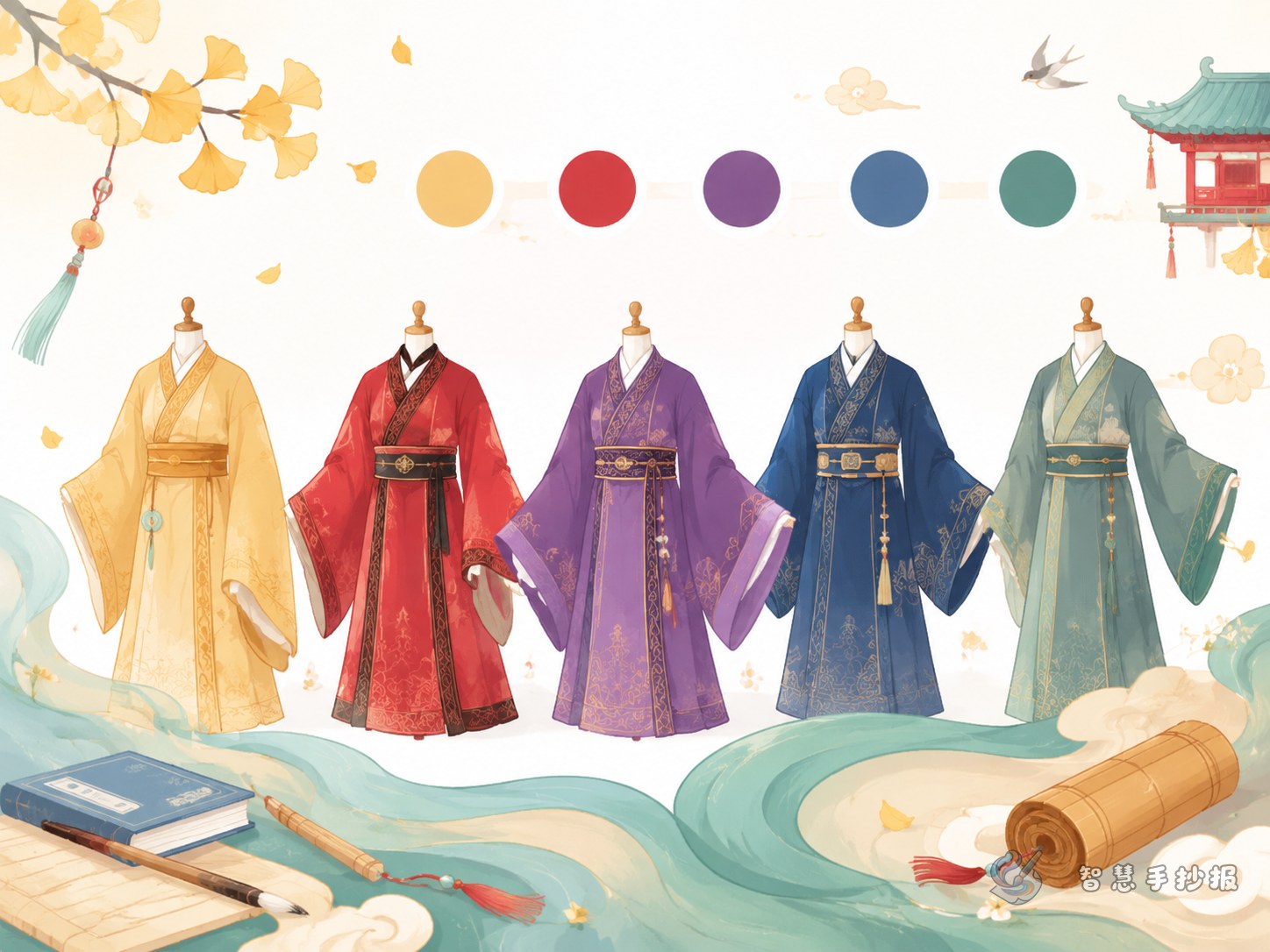
Possible poster titles include “The Etiquette Hidden in Clothing Colors,” “Ancient Dress Colors and Their Meanings,” or “Reading Ceremony Through Clothing.” A row of small color cards beside the title can immediately show the main idea of the page.
Short writing materials for the poster
Material 1: Colors could speak
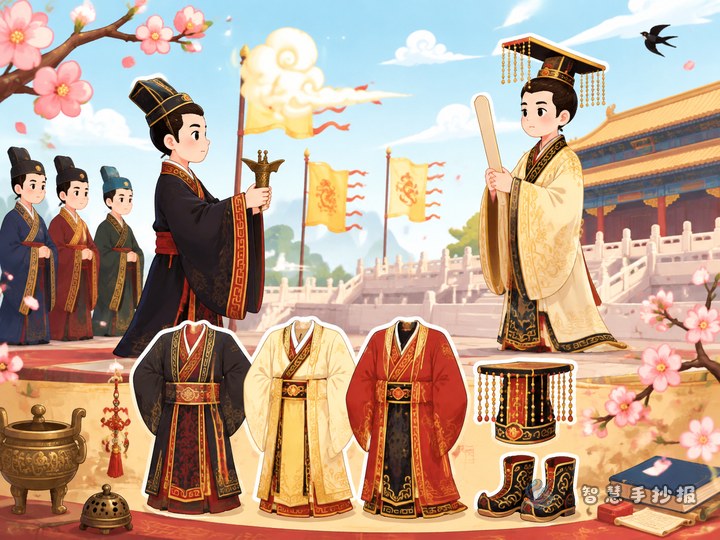
In ancient times, clothing colors were often connected with etiquette and social order. Some colors were used for special identities or important ceremonies. Learning about these rules helps us understand how people expressed respect through dress.
Material 2: Clothing changed with the occasion
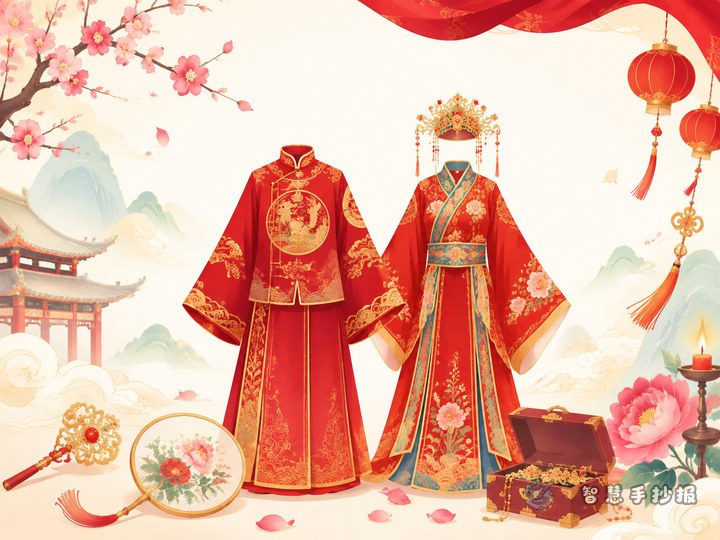
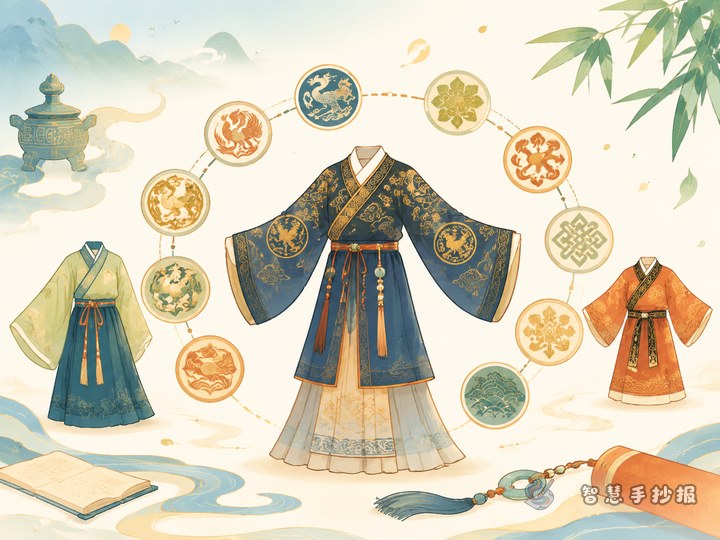
For ceremonies, court meetings, weddings, and other important events, clothing was usually more formal than everyday dress. Colors, patterns, headwear, and accessories all helped show respect for the occasion.
Material 3: The beauty of balance and dignity
Ancient Chinese dress often valued neatness, balance, and dignity. Deep colors, bright red, soft blue-green, and warm yellow can all inspire the poster design. By using these colors carefully, students can show the beauty of traditional culture.
Design the page like a color map
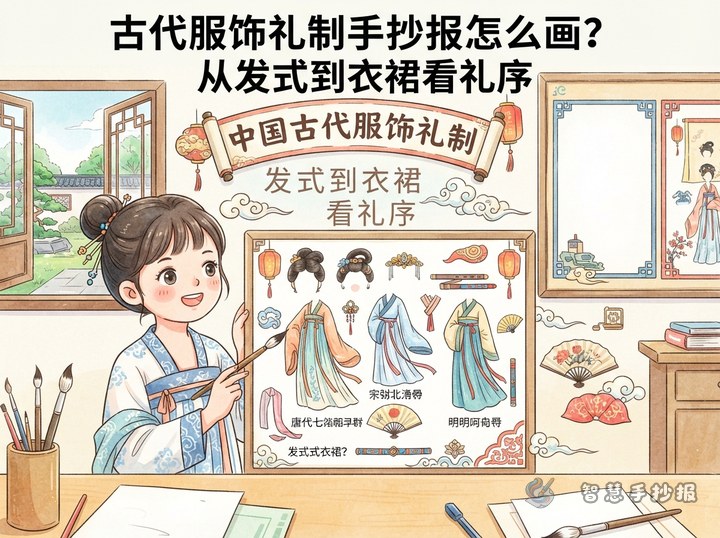
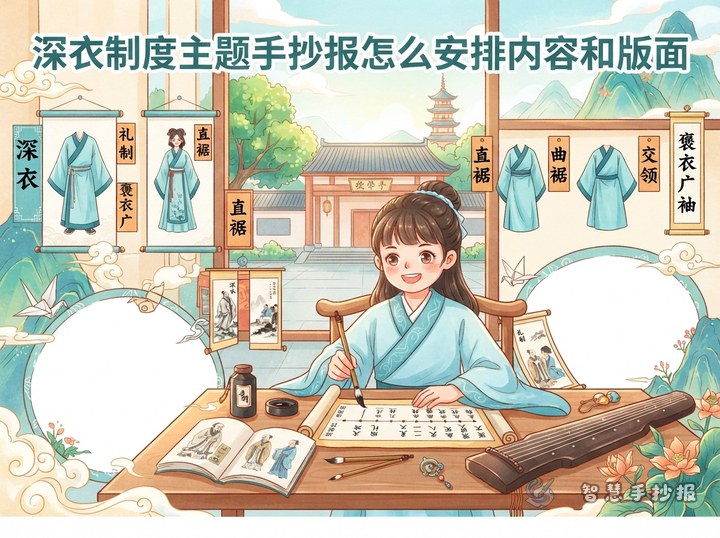
- Top left: Place the main title inside a scroll-shaped border. Use dark red or brown for the heading.
- Center: Draw five or six color cards. Add one short explanation beside each card, such as “red: solemn and festive” or “blue-green: calm and elegant.”
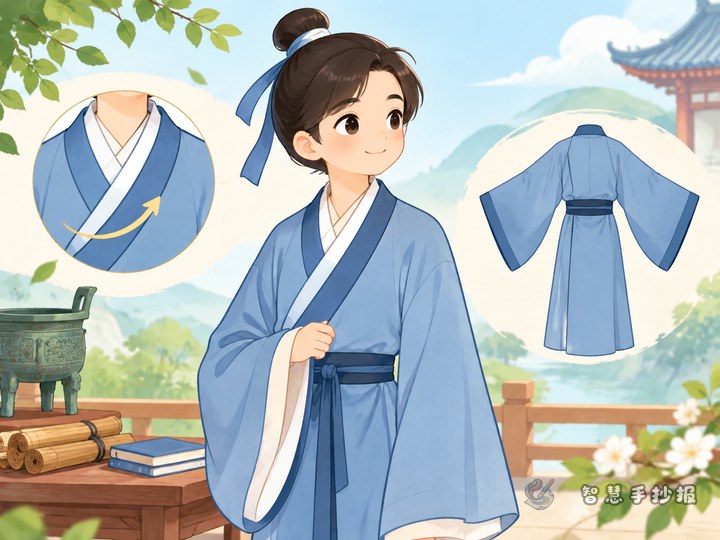
- Right side: Add a simple ancient clothing figure. Focus on the collar, sleeves, belt, and hat rather than complex details.
- Bottom: Create a small question area, such as “What does clothing etiquette teach us?” to make the poster more engaging.
Color and pattern tips
For a clean page, choose a cream, pale yellow, or light blue-green background. Borders can include simple cloud patterns, geometric lines, or scroll shapes. Clothing illustrations may use combinations such as dark blue with cream, red with warm yellow, or green with light gray.
Avoid filling every space with strong colors. This theme works best when the page feels neat, graceful, and orderly. Leaving some blank space can make the text easier to read.
Useful section names
- The etiquette hidden in colors
- Why ancient people valued proper dress
- Clothing for different occasions
- My discovery about traditional manners
- Details of collars, sleeves, and belts
If you want to continue designing the page more easily, you can use the Zhihui Shouchaobao WeChat mini program to choose a traditional culture or elegant ancient-style template, then add the color cards, short texts, and section names from this guide.